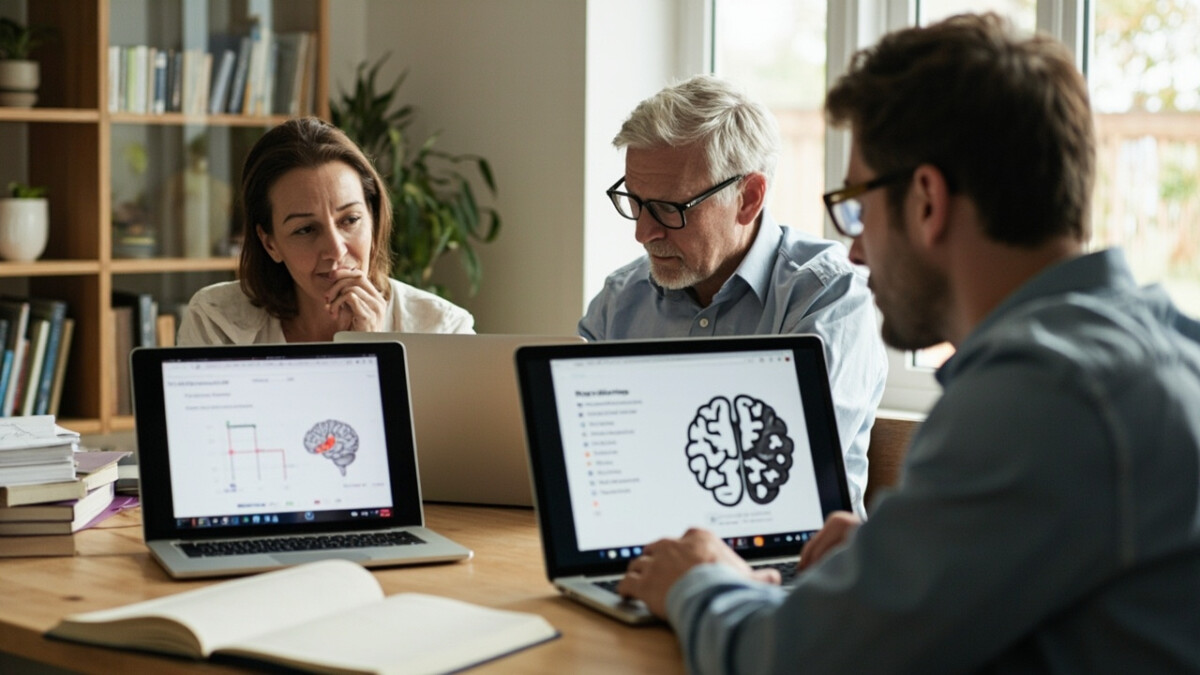
Psychology is one of the most popular fields of study today, yet many people hesitate to explore it because they assume it requires a costly degree or a formal classroom. The truth is that you can start learning the fundamentals of human behavior, cognition, and mental processes today without spending a single dollar. Free online psychology courses for beginners have made this possible, offering high-quality content from top universities and institutions around the world. Whether you are considering a career change, want to understand yourself better, or simply enjoy learning, these courses provide a low-risk way to test your interest and build foundational knowledge. In this article, we will walk you through the best options, what to expect, and how to make the most of these resources.
What Makes a Great Free Psychology Course for Beginners?
Not all free courses are created equal. A great introductory psychology course should cover core topics such as the history of psychology, major theories (behaviorism, cognitive psychology, psychoanalysis), research methods, and key concepts like memory, learning, and social influence. It should be taught by qualified instructors, ideally from accredited universities, and offer a structured syllabus that builds knowledge progressively. Look for courses that include video lectures, readings, quizzes, and discussion forums. These elements help reinforce learning and keep you engaged. Many platforms now offer certificates of completion for a small fee, but the course content itself remains free. This model allows you to learn without financial pressure while giving you the option to formalize your achievement later.
Top Platforms Offering Free Online Psychology Courses
Several reputable platforms host free online psychology courses for beginners. Each platform has its own strengths, so understanding them will help you choose the right fit. Below are the most reliable sources.
Coursera
Coursera partners with universities like Yale, University of Toronto, and Wesleyan University to offer free psychology courses. You can audit any course for free, which means you get access to all video lectures, readings, and some assignments. Popular options include “Introduction to Psychology” from Yale and “Social Psychology” from Wesleyan. The free version does not include graded assignments or a certificate, but you can upgrade later if you choose. Coursera’s interface is user-friendly and mobile-friendly, making it easy to learn on the go.
edX
edX offers courses from Harvard, MIT, and the University of Queensland. Their “Introduction to Psychology” course from Harvard is a classic choice for beginners. Like Coursera, you can audit most courses for free. edX courses are more academic in tone and often include rigorous assessments. If you complete the free version, you can still access most of the content, but you will not receive a verified certificate unless you pay. For self-directed learners, this is a fantastic option.
OpenLearn (The Open University)
OpenLearn is a completely free platform from The Open University in the UK. It offers dozens of psychology courses, from short introductory modules to more advanced topics. The courses are self-paced and include interactive elements like quizzes and activities. A standout feature is that you can earn free digital badges and statements of participation, which are useful for adding to your LinkedIn profile or resume. OpenLearn is ideal if you want a no-strings-attached experience with no payment options at all.
Alison
Alison provides free diploma-level courses in psychology, including “Introduction to Psychology” and “Diploma in Psychology.” These courses are designed for beginners and cover a broad range of topics. Alison uses a combination of text, video, and assessments. You can earn a free certificate upon completion, though there is a small fee for a printed or verified version. Alison’s courses are shorter than those on Coursera or edX, making them a good choice if you have limited time.
FutureLearn
FutureLearn offers free short courses from universities like Monash University and the University of Reading. Their psychology courses often focus on specific topics like “The Psychology of Emotions” or “Understanding Psychological Research.” The free version gives you access for a limited time (usually a few weeks), but you can upgrade for unlimited access. FutureLearn emphasizes social learning, with discussion steps that encourage interaction with other learners.
What You Will Learn in an Introductory Psychology Course
Most free online psychology courses for beginners follow a similar curriculum. You will start with the history of psychology, learning about key figures like Wilhelm Wundt, Sigmund Freud, B.F. Skinner, and Carl Rogers. Then you will explore major perspectives: biological, behavioral, cognitive, humanistic, and sociocultural. After that, you will dive into specific topics such as sensation and perception, learning and memory, motivation and emotion, development across the lifespan, personality theories, social psychology, and psychological disorders. Many courses also include a unit on research methods, teaching you how to design experiments, interpret data, and think critically about psychological claims. By the end of a solid introductory course, you will have a working vocabulary of psychological terms and a framework for understanding human behavior.
How to Choose the Right Course for Your Goals
Before you enroll, consider what you want to achieve. If you are exploring psychology as a potential major or career, choose a course from a well-known university like Yale or Harvard. These courses carry more weight if you later apply to degree programs. If you are learning for personal growth or curiosity, any platform will work. Think about your learning style: do you prefer video lectures (Coursera, edX), interactive activities (OpenLearn), or text-based content (Alison)? Also consider how much time you can commit. Some courses run for 4-6 weeks with 2-3 hours of work per week, while others are self-paced and can be completed in a few days. Finally, check if the course offers a certificate or badge. Even if you do not pay for a formal certificate, having a digital badge from OpenLearn or a statement of participation can be a nice motivator.

How to Maximize Your Learning Experience
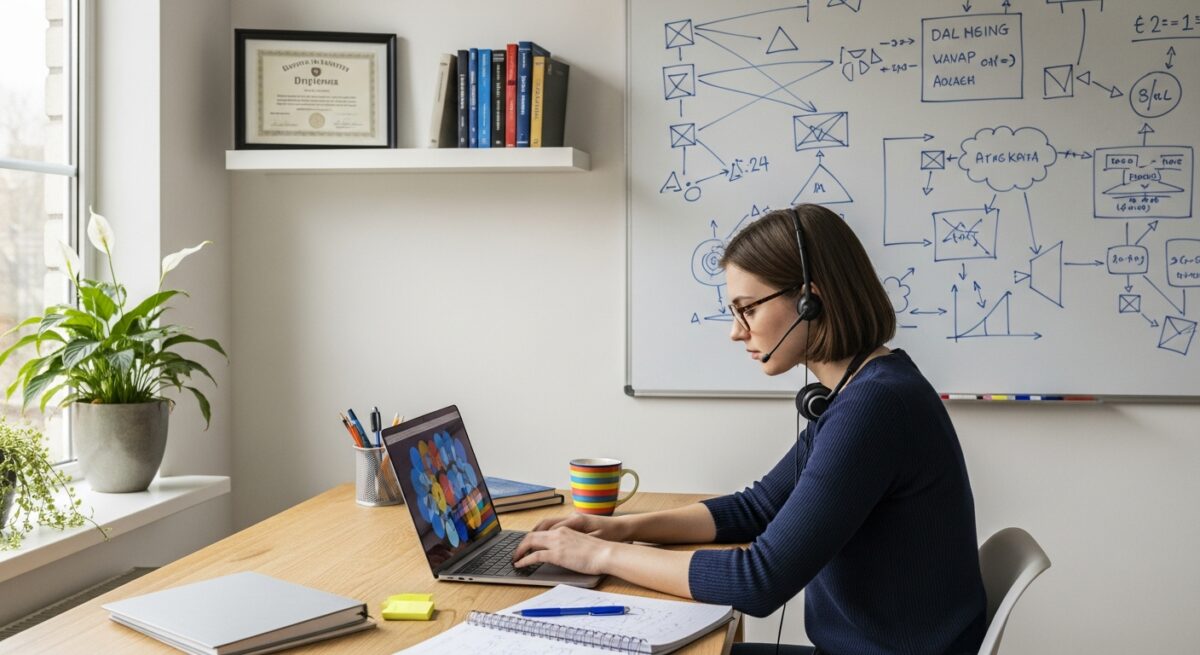
Taking a free online course requires self-discipline. Here are some strategies to help you succeed. First, set a regular study schedule. Treat your course like a weekly class, even if it is self-paced. Second, take notes by hand or in a digital document. Writing helps reinforce memory. Third, participate in discussion forums. Engaging with other learners deepens your understanding and exposes you to different perspectives. Fourth, apply what you learn. Try to observe psychological principles in your daily life. For example, after learning about classical conditioning, notice how advertisements use it. Finally, consider combining multiple courses. You might take a broad introductory course on one platform and a specialized course on another. This approach gives you a well-rounded education.
The Connection Between Free Courses and Accredited Degrees
Free online psychology courses for beginners are an excellent starting point, but they are not a substitute for a formal degree if you want to become a licensed psychologist or counselor. However, they can help you decide if psychology is the right field for you. Many learners use free courses to build a foundation before enrolling in an accredited online program. If you decide to pursue a degree, you will already have a strong grasp of the basics, which can make your first semester much easier. For those interested in a full degree, we have a guide on accredited online psychology degrees that explains how to choose a credible program, what to expect financially, and how to ensure your credits transfer. Free courses and accredited programs complement each other well. Use the free resources to test the waters, then invest in a degree when you are confident.
Frequently Asked Questions
Are these courses really free?
Yes. Most platforms allow you to audit courses for free. You get access to video lectures, readings, and sometimes quizzes. You only pay if you want a certificate or graded assignments.
Do I need any prior knowledge?
No. These courses are designed for beginners. They assume no background in psychology. All you need is willingness to learn and basic English proficiency.
Will these courses count toward a degree?
Generally, no. Free courses do not offer college credit unless they are part of a paid, credit-eligible track. However, some platforms like edX offer MicroBachelors programs that include credit for a fee. For non-credit learning, free courses are excellent preparation.
Can I put these courses on my resume?
Yes, but it depends on the context. You can list a free course under “Professional Development” or “Continuing Education.” If you earn a certificate or digital badge, mention it. Employers value self-directed learning, especially if the course is from a reputable university.
How long does it take to complete a typical course?
Most introductory courses are designed to take 4-8 weeks if you study 2-4 hours per week. Self-paced courses can be completed faster or slower depending on your schedule.
Start Your Psychology Journey Today
Free online psychology courses for beginners open the door to a fascinating field without any financial risk. Whether you are a working professional looking to understand team dynamics, a student considering a psychology major, or simply a curious person, these courses provide valuable knowledge and skills. The best part is that you can start right now. Choose a platform that matches your learning style, enroll in a course, and begin exploring the science of mind and behavior. As you progress, you may find yourself drawn to a specific area of psychology, such as social psychology, developmental psychology, or clinical psychology. If that happens, you will be well prepared to take the next step. For those ready to commit to a full degree, remember that resources like online degree guides can help you navigate the options. Start small, stay curious, and let your interest guide you.