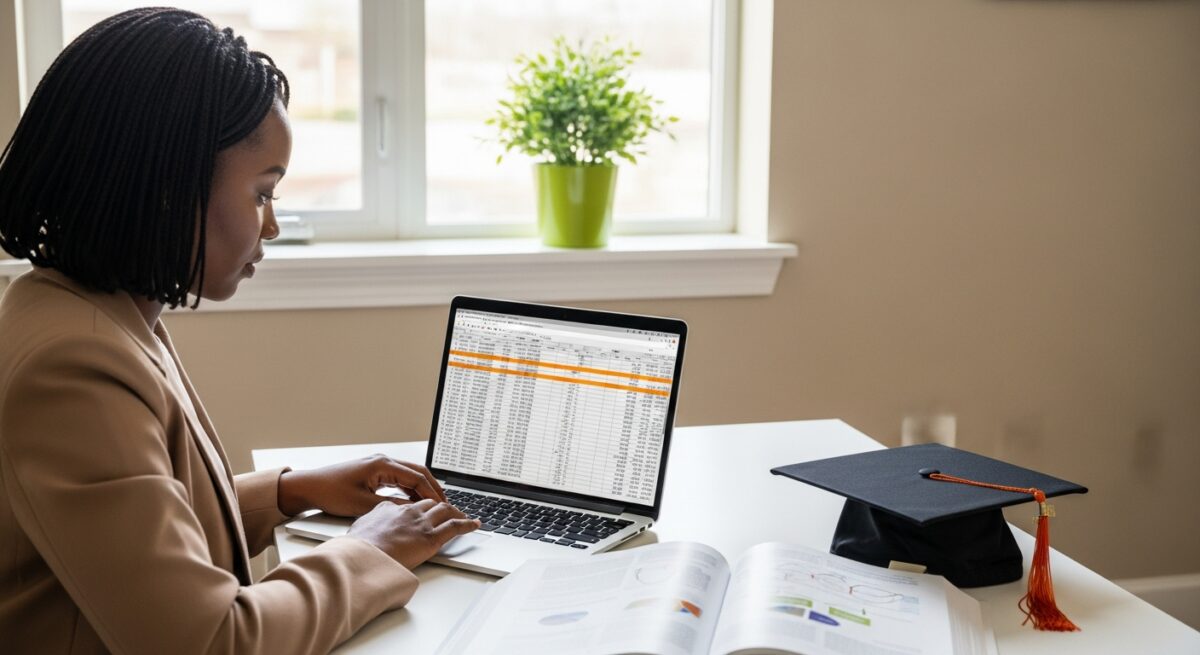
Accounting is often called the language of business. Every organization, from a small startup to a multinational corporation, relies on accurate financial records, tax compliance, and strategic planning. For working professionals and adult learners, earning a Bachelor of Accounting Online Degree Programs offers a direct path to these high-demand roles without putting careers or family obligations on hold. This article explores what these programs involve, how to choose the right one, and the career outcomes you can expect.
The shift toward digital learning has made it easier than ever to earn a respected degree remotely. A bachelor of accounting online degree not only provides the technical skills needed for certified public accountant (CPA) licensure but also builds critical thinking and analytical abilities. Whether you are looking to enter the field for the first time or advance from a bookkeeping role, an online accounting degree can be a strategic investment in your future.
What Is a Bachelor of Accounting Online Degree?
A Bachelor of Accounting Online Degree Programs is an undergraduate credential delivered primarily through internet-based coursework. These programs mirror the curriculum of on-campus accounting degrees, covering financial accounting, managerial accounting, taxation, auditing, and business law. Students complete lectures, assignments, and exams through a learning management system, often with opportunities for live virtual classes or recorded sessions.
The flexibility of an online accounting degree is its greatest advantage. You can study from home, a coffee shop, or even while traveling. Most programs are designed for asynchronous learning, meaning you log in and complete work on your schedule. This is ideal for those balancing full-time jobs or family responsibilities. However, it also requires strong self-discipline and time management skills.
Accreditation is a critical factor. Look for programs accredited by the Association to Advance Collegiate Schools of Business (AACSB) or the Accreditation Council for Business Schools and Programs (ACBSP). Regional accreditation for the institution itself is also essential, as it affects credit transferability and eligibility for federal financial aid.
Key Benefits of Pursuing an Online Accounting Degree
Choosing an online path over a traditional campus program comes with several distinct advantages. Understanding these can help you decide if this format aligns with your personal and professional goals.
Flexibility and Convenience
The primary draw of a bachelor of accounting online is the ability to learn at your own pace. Many programs offer multiple start dates throughout the year, allowing you to begin when you are ready rather than waiting for a fall semester. Course materials are available 24/7, which means you can study during lunch breaks, after the kids go to bed, or on weekends.
Cost-Effectiveness
Online programs often have lower tuition rates than their on-campus counterparts. You also save on commuting, housing, and meal plans. Many schools offer the same per-credit tuition for in-state and out-of-state students, making quality education more accessible. Additionally, you can continue working full-time while studying, avoiding the lost income that comes with quitting a job to attend school.
Access to a Wide Range of Programs
Geography no longer limits your options. You can enroll in a top-ranked program from a university across the country without relocating. This opens up opportunities to find a curriculum that specializes in areas like forensic accounting, internal auditing, or tax preparation. When researching, check the DegreesOnline.Education resource for comprehensive comparisons of accredited online programs and their features.
Curriculum and Core Subjects
An online accounting degree typically requires 120 credit hours and takes four years of full-time study to complete. Part-time students may take longer, but many programs offer accelerated tracks that allow completion in three years or less. The curriculum blends general education requirements with core accounting and business courses.
- Financial Accounting: Covers the preparation and analysis of financial statements, including balance sheets, income statements, and cash flow statements.
- Managerial Accounting: Focuses on internal decision-making tools like budgeting, cost analysis, and performance evaluation.
- Taxation: Introduces federal and state tax laws for individuals and businesses, including tax planning strategies.
- Auditing: Teaches principles of internal and external audits, risk assessment, and internal controls.
- Business Law and Ethics: Examines legal frameworks for contracts, liabilities, and professional ethics in accounting.
These subjects build a foundation for CPA exam preparation. Many programs also include elective courses in specialized areas such as international accounting, nonprofit accounting, or data analytics. Hands-on projects using accounting software like QuickBooks or SAP are common, giving you practical skills employers value.
Accreditation and Its Importance
Accreditation is not just a stamp of approval. It directly impacts your ability to transfer credits, qualify for federal financial aid, and sit for the CPA exam. The U.S. Department of Education recognizes regional accrediting bodies, such as the Higher Learning Commission (HLC) or the Southern Association of Colleges and Schools Commission on Colleges (SACSCOC). Programmatic accreditation from AACSB or ACBSP adds another layer of credibility.
If you plan to become a CPA, check your state board of accountancy’s specific education requirements. Most states require 150 semester hours of college credit, which means you may need to pursue a master’s degree or additional coursework after your bachelor’s. An accredited online program ensures that your credits will be accepted by licensing boards and graduate schools.
Beware of diploma mills or unaccredited institutions. They often advertise low costs and fast completion times, but their degrees may not be recognized by employers or licensing bodies. Always verify accreditation status directly through the Department of Education’s database or the Council for Higher Education Accreditation (CHEA).

Career Paths and Salary Potential
Graduates with a bachelor of accounting online degree qualify for a wide range of roles in public accounting, corporate finance, government, and nonprofit organizations. Entry-level positions include staff accountant, tax associate, internal auditor, and financial analyst. With experience and additional certifications, career advancement leads to roles like senior accountant, controller, or chief financial officer (CFO).
According to the U.S. Bureau of Labor Statistics (BLS), employment of accountants and auditors is projected to grow 6% from 2023 to 2033, about as fast as the average for all occupations. The median annual wage for accountants and auditors was $79,880 in 2023. Those with CPA credentials or specialized skills in areas like forensic accounting often earn significantly more.
An online accounting degree also opens doors to remote work opportunities. Many accounting tasks can be performed digitally, and firms increasingly hire remote staff. This trend was accelerated by the pandemic and shows no signs of reversing. Graduates can work from anywhere, further enhancing the flexibility of this career path.
For those considering further education, an online accounting degree serves as a stepping stone to a Master of Accountancy (MAcc) or an MBA with a concentration in accounting. These advanced degrees can lead to higher salaries and leadership positions.
How to Choose the Right Online Program
With hundreds of online accounting degrees available, selecting the right one requires careful evaluation. Start by identifying your career goals. If you aim for CPA licensure, prioritize programs that meet your state’s education requirements and offer CPA exam preparation resources. If you are interested in corporate accounting, look for programs with strong business core courses and internship opportunities.
Consider the following factors when comparing programs:
- Cost and Financial Aid: Compare tuition rates, fees, and available scholarships. Complete the Free Application for Federal Student Aid (FAFSA) to determine eligibility for grants and loans.
- Student Support Services: Check if the program offers academic advising, tutoring, career counseling, and technical support. These services are vital for online learners who may feel isolated.
- Technology Requirements: Ensure you have access to a reliable computer and internet connection. Some programs require specific software or proctored exams.
- Reputation and Outcomes: Research graduation rates, job placement rates, and alumni reviews. Look for programs with a strong track record of preparing students for the CPA exam.
Don’t hesitate to reach out to admissions counselors with questions. Reputable programs are transparent about their curriculum, costs, and outcomes. You can also use resources like A Strategic Guide: How to Choose the Right Online Degree to refine your search criteria.
Frequently Asked Questions
Can I complete a bachelor of accounting online entirely at my own pace?
Most online programs offer asynchronous courses, meaning you can access lectures and assignments at any time. However, there are usually deadlines for assignments, exams, and discussions. Some programs also require synchronous (live) sessions for certain courses. Check the program’s format before enrolling.
Is an online accounting degree respected by employers?
Yes, provided the program is accredited by a recognized agency. Employers value the skills and knowledge gained from an accredited program, regardless of delivery method. Many top universities now offer online degrees, and the stigma once associated with online education has largely faded.
Do I need to take the CPA exam after earning my degree?
Not necessarily. Many accounting roles do not require CPA licensure. However, if you want to advance in public accounting or hold certain senior positions, becoming a CPA is highly beneficial. The CPA exam is rigorous, and preparation often begins during your bachelor’s program.
How long does it take to complete an online accounting degree?
Full-time students typically graduate in four years. Accelerated programs may allow completion in three years, while part-time students may take five to six years. Some programs offer credit for prior learning or work experience, which can shorten the timeline.
Can I transfer credits from a community college to an online accounting program?
Many online programs accept transfer credits from regionally accredited institutions. You should request a transcript evaluation from the prospective university to determine which credits will transfer. This can significantly reduce the time and cost of your degree.
Final Thoughts
Earning a Bachelor of Accounting Online Degree Programs is a practical and rewarding way to enter a stable, well-paying profession. The flexibility of online learning allows you to balance education with work and family, while the rigorous curriculum prepares you for certification and career advancement. By choosing an accredited program and leveraging available resources, you can build a strong foundation for a successful career in accounting. Whether you aspire to work at a Big Four firm, a government agency, or your own practice, this degree provides the credentials and skills needed to achieve your goals.