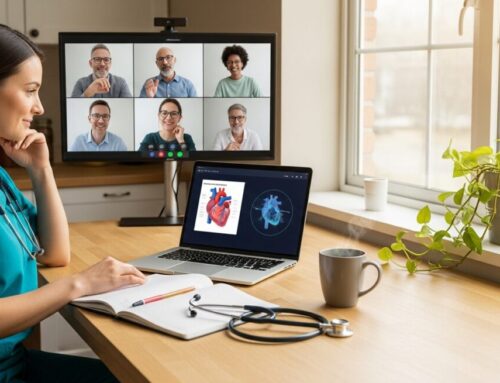
For those fascinated by weather patterns, climate systems, and atmospheric science, the path to a professional career has never been more accessible. Whether you dream of forecasting hurricanes, analyzing climate data, or working in environmental consulting, an online meteorology degree can open the door to these opportunities. The challenge is knowing which program fits your goals, budget, and schedule. This Online Meteorology Degree Programs Guide walks through everything you need to make an informed decision, from accreditation and curriculum to career outcomes and financial aid.
Why Choose an Online Meteorology Degree?
Meteorology is a field that blends physics, mathematics, and computer science. Traditionally, it required rigorous in-person lab work, but advances in technology have transformed how atmospheric science is taught. Today, accredited universities offer fully online bachelor’s and master’s degrees that provide the same rigorous curriculum as on-campus programs. Students access virtual labs, satellite data tools, and real-time weather simulations from their home computers.
An online meteorology degree is particularly attractive for working professionals and adult learners. If you are currently employed in a related field like environmental science or emergency management, earning your degree online allows you to apply new knowledge immediately without pausing your career. Flexibility is a key benefit. You can study during evenings or weekends, fitting coursework around family and work commitments. This structure makes it possible for career changers to transition into meteorology without relocating or quitting their current job.
Core Components of a Quality Online Meteorology Program
Not all online programs are created equal. A strong meteorology degree should include a balance of theoretical knowledge and practical application. Expect courses in atmospheric dynamics, synoptic meteorology, climatology, remote sensing, and statistical methods. Many programs also require calculus, physics, and computer programming, as these are foundational for weather modeling and data analysis.
Hands-on experience is critical. Look for programs that offer virtual labs using industry-standard software like the Weather Research and Forecasting (WRF) model or Geographic Information Systems (GIS). Some universities partner with national weather centers to provide internship opportunities. These real-world components are essential for building the skills employers demand. When researching options, use this Online Meteorology Degree Programs Guide to compare curriculum details and ensure the program aligns with your career goals.
Accreditation Matters More Than You Think
Accreditation is the single most important factor in choosing any degree program. For meteorology, regional accreditation is the baseline. However, if you plan to work for the National Weather Service or in federal research, you may need a program that meets specific standards set by the American Meteorological Society (AMS). Some online programs are designed to align with AMS guidelines, which can give you a competitive edge in the job market.
Attending an accredited program also protects your investment. Credits from regionally accredited schools transfer more easily, and employers recognize these degrees as legitimate. Federal financial aid is only available for accredited institutions. As you explore options, verify that the school holds proper accreditation. In our guide on A Strategic Guide to Shortlist Online Degree Programs, we explain how to vet schools thoroughly.
Types of Online Meteorology Degrees Available
Degree levels vary, and each serves a different purpose. Below is a breakdown of the most common online meteorology degrees and what they prepare you for.
Bachelor of Science in Meteorology (BS): This is the entry-level degree for most meteorology careers. A BS covers the core sciences and typically takes four years to complete. Graduates often work as broadcast meteorologists, operational forecasters, or environmental specialists. Many online BS programs require some in-person lab components, though these can often be completed at a local community college or during short campus residencies.
Master of Science in Meteorology (MS): A master’s degree is ideal for those seeking advanced roles in research, teaching, or specialized forecasting. Online MS programs often focus on areas like atmospheric modeling, climate change science, or hydrometeorology. These programs usually take two to three years and may require a thesis or capstone project.
Graduate Certificates and Professional Development: For professionals who already hold a degree, certificate programs offer targeted training in topics like severe weather analysis, GIS for meteorology, or aviation weather. These are shorter and more affordable, making them a great way to upskill without committing to a full degree.
Career Paths and Salary Expectations
Graduates with an online meteorology degree can pursue diverse career paths. The most visible role is broadcast meteorologist, but many meteorologists work behind the scenes in government, private industry, and research. The federal government, particularly the National Oceanic and Atmospheric Administration (NOAA) and the National Weather Service, is a major employer. Private sector opportunities include energy companies that need weather risk assessments, insurance firms that analyze climate data, and agricultural businesses that rely on accurate forecasts.

Salary varies by sector and experience. According to the Bureau of Labor Statistics, the median annual wage for atmospheric scientists was around $83,000 in 2023. Those with advanced degrees and specialized skills, such as programming or data science, often earn higher salaries. The job outlook is steady, with growth driven by demand for more accurate climate predictions and severe weather preparedness.
To maximize your earning potential, consider combining your meteorology degree with certifications in data analytics or GIS. These complementary skills make you more versatile and valuable to employers. This Online Meteorology Degree Programs Guide recommends researching job boards like USAJOBS and private sector platforms to understand what skills are currently in demand.
Financial Aid, Scholarships, and Tuition Costs
Tuition for online meteorology degrees varies widely. Public universities often offer lower rates for in-state students, but many have flat tuition rates for online programs regardless of residency. Expect to pay anywhere from $300 to $600 per credit hour for a bachelor’s program. Master’s programs can cost more, though some are competitively priced.
Financial aid options include federal grants and loans, employer tuition reimbursement, and scholarships specific to meteorology. Organizations like the American Meteorological Society and the National Weather Association offer scholarships for students pursuing degrees in atmospheric science. When comparing programs, factor in total cost including fees, software subscriptions, and any required on-campus visits.
For those concerned about affordability, many schools offer payment plans. Additionally, some employers in related fields will cover part or all of your tuition if you agree to stay with the company after graduation. Always fill out the Free Application for Federal Student Aid (FAFSA) first, as it determines eligibility for federal aid and some institutional scholarships. You can also find more tips on funding your education at DegreesOnline.Education, where you can explore featured schools and financial aid resources.
Frequently Asked Questions
Can I become a meteorologist with a fully online degree?
Yes, many professional meteorologists have earned degrees online. However, ensure the program is regionally accredited and, if you aim for federal employment, check that it meets the Office of Personnel Management’s requirements. Some broadcast meteorologist positions may also require a background in communications or journalism.
Do online meteorology programs include lab work?
Most quality programs incorporate virtual labs and simulations. Some require a short on-campus residency for hands-on work with instruments, though this is becoming less common as technology improves. Always check the program’s lab requirements before enrolling.
How long does it take to complete an online meteorology degree?
A bachelor’s typically takes four years of full-time study. Accelerated programs can be completed in as few as three years. Master’s programs range from one to three years depending on course load and thesis requirements. Part-time options are available for working professionals.
What skills do I need to succeed in an online meteorology program?
Strong mathematical and analytical skills are essential. Familiarity with computers and data analysis software helps. Time management and self-discipline are critical for online learning success. Many programs offer introductory courses to bring students up to speed on required math and physics.
Choosing the right program is a personal decision that depends on your career goals, budget, and learning style. This Online Meteorology Degree Programs Guide is designed to give you a comprehensive starting point. As you evaluate options, remember to verify accreditation, compare costs, and reach out to program advisors with specific questions. The field of meteorology is evolving rapidly, and an online degree can be your gateway to a rewarding career studying the atmosphere and protecting communities through better forecasting.