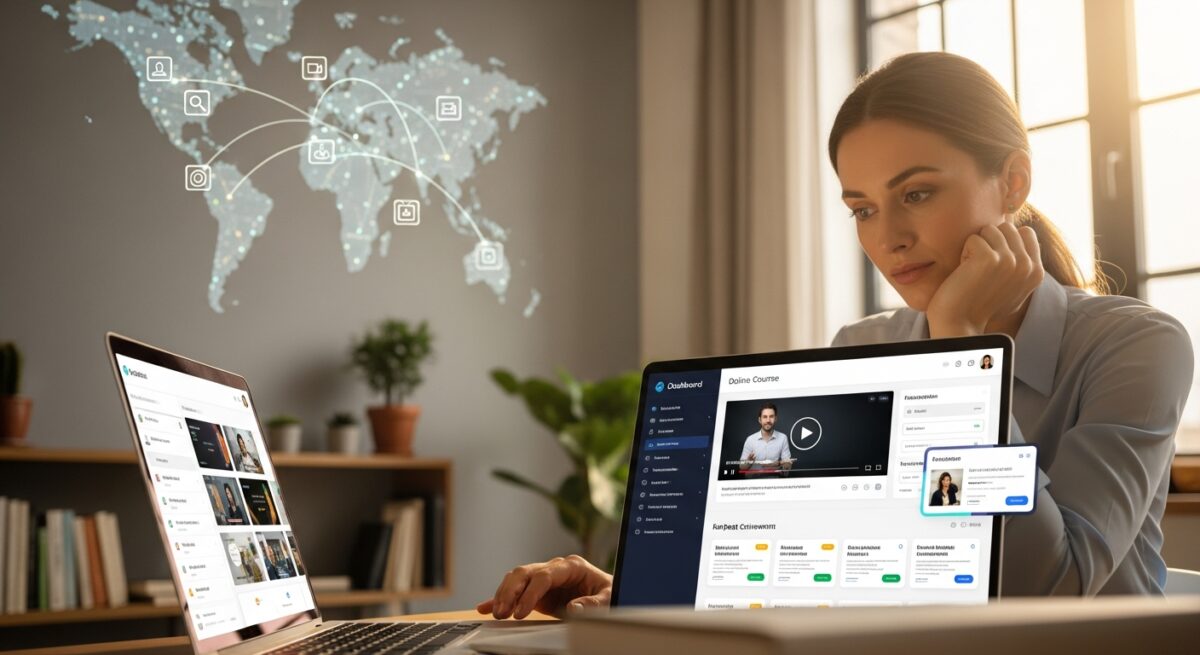
The landscape of education has undergone a seismic shift, moving from the static lecture halls of the past to the dynamic, boundless classrooms of the internet. This evolution, broadly termed internet higher learning, is not merely a convenient alternative to traditional college; it represents a fundamental reimagining of how knowledge is accessed, credentials are earned, and careers are built. For working adults, career-changers, and lifelong learners globally, it dismantles the geographical, financial, and temporal barriers that once made advanced education an exclusive privilege. This comprehensive exploration delves into the core components, profound benefits, and strategic considerations for navigating this transformative educational realm.
The Core Components of a Modern Online Learning Ecosystem
Internet higher learning is not a monolithic entity but a sophisticated ecosystem built on several key pillars. At its foundation are accredited universities and colleges that have expanded their reach beyond campus borders to offer full degree programs online. These range from associate and bachelor’s degrees to master’s and doctoral programs, all conferring the same credentials as their on-campus counterparts. Beyond traditional degrees, the ecosystem includes a vast array of non-degree offerings: professional certificates, micro-credentials, and massive open online courses (MOOCs) that allow for targeted skill acquisition. The technological infrastructure supporting this is equally critical, comprising learning management systems (LMS) like Canvas and Blackboard, synchronous video lecture platforms, asynchronous discussion forums, and digital libraries. This interconnected system creates a flexible, yet rigorous, environment for academic and professional growth. For a deeper look at the foundational structures delivering this education, our resource on e-learning systems explains the technology and methodologies in detail.
Strategic Advantages for the 21st-Century Learner
The appeal of internet-based education extends far beyond simple convenience. Its advantages are deeply aligned with the demands of modern life and the contemporary job market. The most cited benefit is unparalleled flexibility. Learners can access coursework, lectures, and materials on their own schedule, making it possible to balance full-time employment, family responsibilities, and education without requiring a relocation or career pause. This model also promotes inclusivity and access, opening doors for individuals in remote areas, those with mobility challenges, or active-duty military personnel. From a financial perspective, while tuition varies, students often save significantly on ancillary costs like campus housing, commuting, and facility fees. Furthermore, the digital nature of the coursework inherently cultivates essential 21st-century skills such as digital literacy, self-discipline, time management, and proficiency in virtual collaboration tools. This creates a graduate who is not only knowledgeable in their field but also adept at operating in a distributed, technology-driven world.
Navigating Quality and Accreditation in Digital Degrees
As the landscape has grown, so has the importance of discernment. The critical differentiator between a valuable online degree and a mere certificate is accreditation. Regional accreditation, granted by agencies recognized by the U.S. Department of Education, is the gold standard. It ensures that an institution meets rigorous standards of academic quality, faculty credentials, and student support services. Always verify a school’s accreditation status independently through the Council for Higher Education Accreditation (CHEA) database. Beyond accreditation, prospective students should evaluate several factors to gauge program quality. These include the responsiveness and qualifications of faculty who teach online, the level of student support services like academic advising, tutoring, and career counseling tailored for remote learners, and the opportunities for meaningful interaction with peers and instructors. A robust program will facilitate networking through group projects, live sessions, and dedicated online communities. Investigating these elements ensures that your investment in internet higher learning yields a respected and impactful credential, a topic further elaborated in our guide to web learning credentials and digital credibility.
Choosing the Right Path: Degrees, Certificates, and Continuous Learning
The pathways within internet higher learning are diverse, catering to different goals. Understanding the options is the first step in crafting an effective educational strategy.
- Full Online Degrees: Ideal for those seeking a comprehensive education or a foundational credential to change fields. Examples include a Bachelor of Science in Psychology, an MBA, or a Master of Science in Nursing (MSN).
- Professional Certificates and Micro-credentials: Focused, short-term programs designed to teach specific, in-demand skills. These are perfect for professionals looking to upskill in areas like data analytics, project management, digital marketing, or cybersecurity without committing to a full degree.
- Individual Courses and MOOCs: Excellent for exploring a new subject, supplementing existing knowledge, or engaging in lifelong learning. Platforms like Coursera, edX, and Udacity partner with top universities to offer these.
The choice between these paths depends entirely on your career objectives, time availability, and resources. Many learners adopt a stacked approach, starting with a certificate to gain immediate skills and later applying those credits toward a full degree program.
Maximizing Success in the Virtual Classroom
Succeeding in an online learning environment requires a proactive approach distinct from passive attendance in a physical lecture hall. The autonomy granted to students demands a high degree of personal accountability. Effective learners begin by establishing a dedicated study space and a consistent weekly schedule, treating their online coursework with the same priority as a live class meeting. Proactive communication is also vital; engaging regularly on discussion boards, reaching out to instructors with questions, and forming virtual study groups can combat the isolation sometimes felt in remote learning and deepen understanding. Furthermore, mastering the course technology ahead of time prevents unnecessary stress. Finally, it is crucial to practice self-care and avoid burnout by setting realistic goals, taking scheduled breaks, and connecting with the support services offered by the institution. Developing these habits transforms the challenge of distance into an opportunity for cultivating profound self-discipline and initiative. For professionals specifically, the structured flexibility of this model offers unique advantages, as explored in our analysis of why e-learning is ideal for professionals.
The Evolving Future of Digital Education
The trajectory of internet higher learning points toward even greater personalization, interactivity, and integration with the professional world. Adaptive learning technologies are beginning to tailor course material to an individual student’s pace and comprehension, providing customized pathways to mastery. Credentialing is also evolving, with digital badges and comprehensive e-portfolios allowing learners to display a verifiable, granular record of their skills and competencies beyond the traditional transcript. Perhaps most transformative is the emergence of artificial intelligence, not just as a subject of study but as a tool for enhancing the learning experience itself. From AI-powered tutors that provide 24/7 assistance to tools that help educators develop dynamic content, the potential is vast. These innovations promise to make high-quality, internet-delivered education more responsive, engaging, and closely tied to demonstrable outcomes, solidifying its role as a cornerstone of lifelong career development.
Internet higher learning has matured from an experimental alternative into a robust, respected, and essential component of the global education system. It empowers individuals to design their own educational journeys around their lives, not the other way around. By thoughtfully selecting accredited programs, leveraging the flexibility to develop in-demand skills, and engaging actively with the digital classroom, learners can harness this model to achieve their academic aspirations and propel their careers forward in an increasingly digital economy. The future of education is not a place; it is an experience, accessible anywhere, designed for everyone.