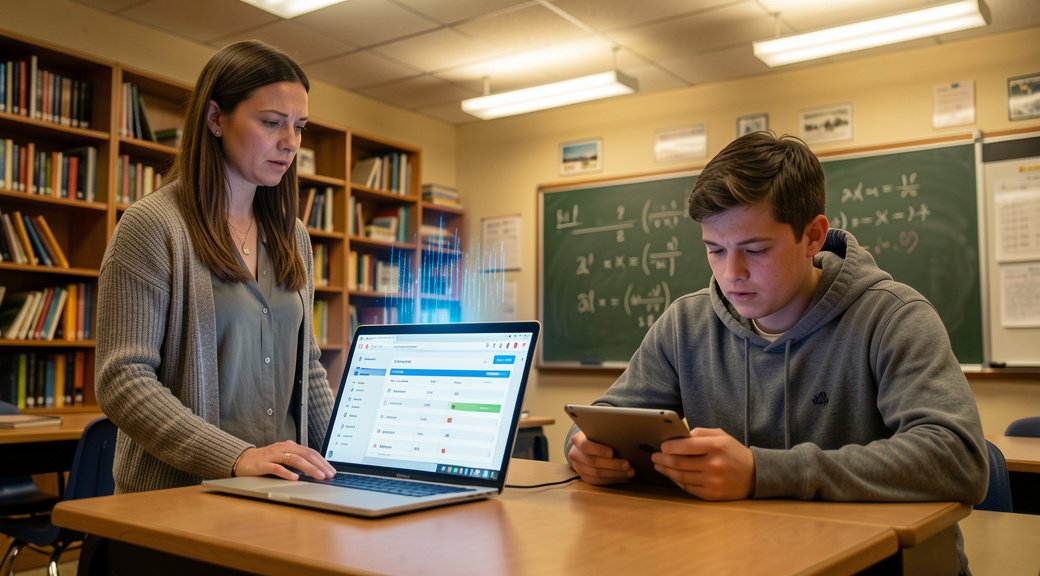
A middle school teacher in Ohio recently watched an AI grading tool mark 120 essays in under a minute. The tool highlighted grammar errors, suggested vocabulary improvements, and even flagged potential plagiarism. The teacher was impressed. But then a question surfaced: where did all that student data go? This scene is playing out in thousands of classrooms worldwide as artificial intelligence rapidly transforms education. The rise of AI tools in digital classrooms and data privacy concerns are now inseparable topics for educators, administrators, and families alike.
AI-powered platforms offer undeniable benefits. They personalize learning paths, automate administrative tasks, and provide real-time feedback that was once impossible at scale. Yet every interaction with these tools generates data. Student writing samples, voice recordings, browsing patterns, and even facial expressions during video lessons can be collected, analyzed, and stored. The same technology that helps a struggling reader improve can also create a detailed digital profile of that child. Understanding this tradeoff is essential for anyone involved in modern education.
The Rapid Adoption of AI in Education
Schools have embraced AI tools faster than many other institutions. Adaptive learning platforms like DreamBox and Khan Academy’s AI tutor adjust content based on student performance. Language models help English learners practice conversation. Automated essay scoring saves teachers hours of grading time. Administrative AI systems schedule classes, predict dropout risks, and optimize bus routes. The global market for AI in education is projected to exceed $20 billion by 2027, according to industry analysts.
This acceleration is not without reason. The pandemic forced a massive shift to remote and hybrid learning, exposing gaps in traditional teaching methods. AI tools promised to fill those gaps with personalized, data-driven instruction. School districts rushed to adopt digital platforms, often without fully vetting their data practices. In many cases, the privacy policies were buried in lengthy terms of service documents that few teachers or parents ever read. The result is a patchwork of tools with varying levels of data protection, leaving student information vulnerable.
What Data Do AI Classroom Tools Actually Collect?
To understand the privacy risks, it helps to look at the types of data these tools gather. The scope is often broader than most people realize.
- Academic performance data: Grades, test scores, assignment submissions, and time spent on tasks.
- Behavioral data: Keystroke patterns, mouse movements, time of day activity, and login frequency.
- Biometric data: Facial recognition during proctored exams, voice samples in language tools, and even eye-tracking in some reading applications.
- Personal identifiers: Student names, addresses, dates of birth, and sometimes Social Security numbers for financial aid or enrollment systems.
- Communications data: Chat logs with AI tutors, discussion forum posts, and emails sent through school platforms.
Each data point alone may seem harmless. Combined, however, they can create a comprehensive profile that reveals a student’s learning disabilities, emotional state, political views, and family circumstances. This is precisely the kind of data that advertisers, data brokers, and malicious actors find valuable.
Legal Frameworks and Their Limitations
The United States has several laws intended to protect student data. The Family Educational Rights and Privacy Act (FERPA) gives parents access to their child’s education records and limits how schools can share those records. The Children’s Online Privacy Protection Act (COPPA) requires parental consent before collecting data from children under 13. The Protection of Pupil Rights Amendment (PPRA) governs surveys and marketing activities in schools.
These laws were written before AI tools became common in classrooms. They do not adequately address the unique challenges of algorithmic decision-making, automated profiling, or third-party data sharing through cloud-based platforms. For example, when a school uses a free AI writing assistant, the company behind that tool may process student essays on its servers. If the company later uses that data to train its model, the student’s work becomes part of a commercial product without explicit consent. FERPA does not clearly prohibit this because the student data is not technically being “disclosed” in the traditional sense.
Some states have enacted stronger protections. California’s Student Online Personal Information Protection Act (SOPIPA) prohibits edtech companies from selling student data or using it for targeted advertising. New York and Illinois have similar laws. But enforcement is inconsistent, and many tools used by schools operate under vague data policies that leave room for interpretation. A 2023 study by the Center for Democracy and Technology found that nearly 40 percent of school districts do not have a formal process for evaluating the privacy practices of the digital tools they purchase.
Real-World Consequences of Weak Data Privacy
The risks are not theoretical. In 2022, a popular AI tutoring platform suffered a data breach that exposed the personal information of over 1.5 million students, including psychological assessment results and special education status. In another case, a school district’s facial recognition system for attendance tracking was found to have higher error rates for students of color, leading to disproportionate disciplinary actions. These incidents highlight how data privacy failures can harm students both directly and indirectly.
Beyond breaches, there is the issue of algorithmic bias. AI tools trained on historical data can perpetuate existing inequalities. If a predictive analytics system flags students from low-income neighborhoods as “at risk” more often than their peers, those students may be steered toward less rigorous coursework or receive more disciplinary referrals. The data that feeds these algorithms often comes from the very systems that have historically marginalized certain groups. Without careful oversight, AI tools can amplify these biases rather than reduce them.
Teachers also face privacy concerns. Some school districts use AI monitoring tools to track teacher performance by analyzing classroom audio, lesson pacing, and student engagement metrics. These systems can create a culture of surveillance that undermines trust and professional autonomy. When teachers feel watched, they may be less willing to experiment with innovative teaching methods or address sensitive topics in class.
Best Practices for Schools and Educators
Addressing these challenges requires a proactive approach. Schools cannot simply stop using AI tools, but they can adopt practices that protect student data without sacrificing the benefits of technology. The first step is conducting a thorough privacy review of every digital tool before purchase. This review should examine what data the tool collects, how it is stored, who has access to it, and whether the company sells or shares data with third parties.
Districts should also negotiate data protection clauses in vendor contracts. Many companies are willing to agree to specific restrictions if schools ask. For example, a district can require that student data be stored within the United States, that it be encrypted both in transit and at rest, and that the company notify the district within 72 hours of any breach. These provisions are not standard, but they can be included with proper legal guidance.
Training is equally important. Teachers and administrators need to understand the privacy implications of the tools they use daily. A simple checklist before adopting a new app can make a significant difference. For instance, educators should ask: Is this tool FERPA-compliant? Does it require students to create accounts with personal email addresses? Can student data be deleted upon request? Building this awareness into professional development programs helps create a culture of privacy-conscious technology use.
For students and parents, transparency is key. Schools should communicate clearly about what AI tools are being used, what data they collect, and how that data is protected. Opt-out policies should be easy to understand and implement. Students should know that they can ask questions about how their data is used without fear of penalty. In our guide on data and AI courses for teachers, we explain how ongoing education can help educators stay current with these evolving practices.
The Role of Families and Students
Families also have a role to play. Parents should ask their child’s school about the digital tools being used in the classroom. Questions like “What data does this app collect?” and “Is my child’s data shared with third parties?” are reasonable and should be answered clearly. Many schools provide these details in their annual notification of rights under FERPA, but parents may need to request additional information.
Students, especially older ones, can learn to be more discerning about the tools they use. Understanding that a free AI homework helper might monetize their data is an important digital literacy lesson. Schools can incorporate data privacy into their curriculum, teaching students how to read privacy policies, recognize data collection practices, and advocate for their own rights. This knowledge serves them well beyond the classroom, as they navigate a world where data is constantly being collected.
Frequently Asked Questions
Can schools require students to use AI tools that collect personal data? Yes, schools can require the use of educational technology as part of their curriculum. However, they must comply with FERPA and other applicable laws. Parents have the right to review the school’s data policies and, in some cases, opt their child out of specific data collection activities. Schools should provide clear information about these rights.
What happens to student data when a student graduates or leaves a school? Policies vary by school and vendor. Ideally, student data should be deleted or anonymized after the student is no longer enrolled. Schools should have data retention and deletion policies in place, and parents can ask about these policies. Under FERPA, schools must allow parents to inspect and review education records, but deletion is not always guaranteed.
Are AI tools that use facial recognition legal in schools? Several states have banned or restricted the use of facial recognition technology in schools due to privacy and bias concerns. In states where it is legal, schools must typically provide notice and obtain consent. The accuracy and potential for discrimination remain significant issues, and many privacy advocates recommend avoiding this technology in educational settings altogether.
How can I tell if a school is using AI tools responsibly? Look for signs of transparency. A responsible school will have a clear privacy policy, provide training for staff, and communicate with parents about the tools being used. They will also have a process for evaluating new tools before adoption. If a school cannot answer basic questions about its data practices, that is a red flag.
Balancing Innovation with Protection
The rise of AI tools in digital classrooms and data privacy is not a zero-sum equation. Schools can harness the power of artificial intelligence while still protecting student information. The key is intentionality. Every adoption decision should be made with a clear understanding of the risks and benefits. Vendors should be held to high standards of data stewardship. Families should be informed partners in the process.
As AI continues to evolve, so too must our approaches to privacy. Laws will need updates. School policies will need regular reviews. Teachers will need ongoing support. But the goal remains the same: to create learning environments where technology amplifies human potential without compromising human dignity. The classroom of the future can be both smart and safe, but only if we build it with care. A useful resource for exploring accredited programs that address these issues is available at CollegeDegree.School, where prospective educators and administrators can find degree pathways that emphasize educational technology and data ethics.