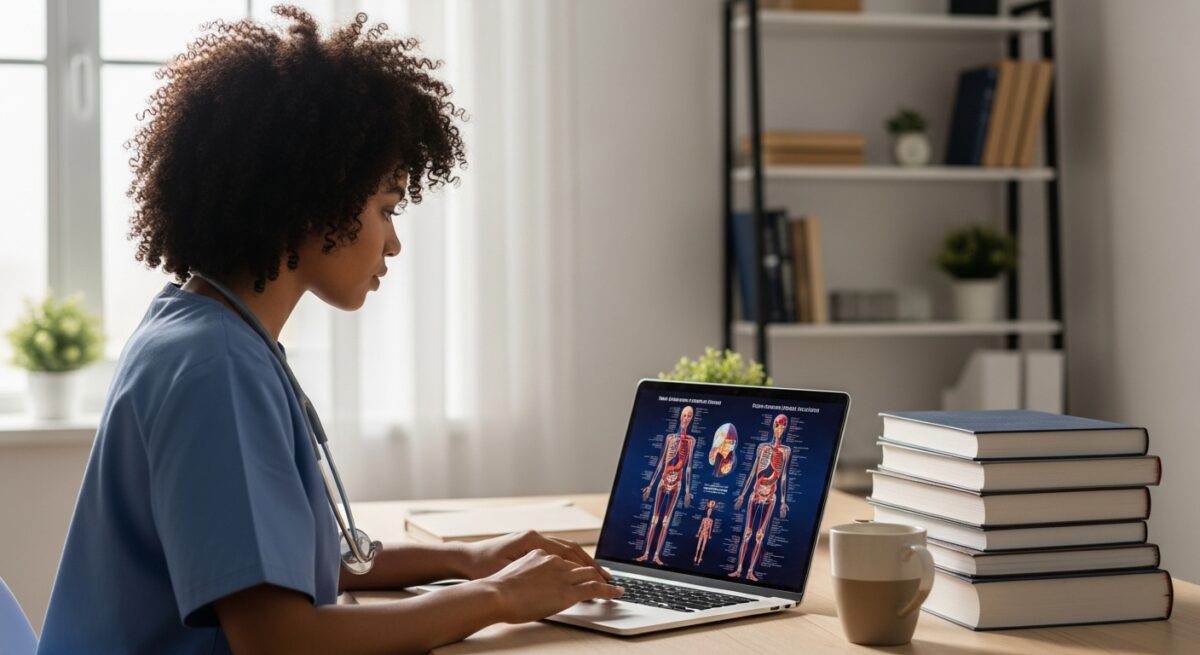
Nursing is one of the most rewarding and in-demand careers in healthcare. For working professionals, parents, and career changers, the path to becoming a registered nurse (RN) or earning an advanced nursing degree no longer requires sitting in a traditional classroom. The rise of accredited online nursing programs has made it possible to earn your degree from home while balancing work and family obligations. But with so many options available, how do you identify the best online colleges for nursing that offer quality education, flexibility, and strong career outcomes? This guide cuts through the noise to help you make an informed choice.
Choosing the right program is a decision that affects your future salary, job satisfaction, and professional growth. Whether you are looking for an Associate Degree in Nursing (ADN), a Bachelor of Science in Nursing (BSN), or a Master of Science in Nursing (MSN), the landscape of online nursing degree programs has expanded dramatically. Today, many top universities offer fully online coursework with in-person clinical placements arranged near your home. This hybrid model combines the convenience of remote learning with the hands-on experience that nursing demands.
The key is to find programs that are accredited by recognized bodies such as the Commission on Collegiate Nursing Education (CCNE) or the Accreditation Commission for Education in Nursing (ACEN). Accreditation ensures that your degree will be respected by employers and that you are eligible to sit for the NCLEX-RN exam. In our guide on How to Choose Reputable Online Colleges in 2026, we explain how to verify accreditation and avoid diploma mills. Below, we break down the top online colleges for nursing, what to look for, and how to succeed in a virtual learning environment.
What Makes a Nursing Program Stand Out?
Not all online nursing programs are created equal. The best programs share several key characteristics that set them apart from the rest. First and foremost is accreditation. Without proper accreditation, you cannot take the NCLEX or transfer credits to another institution. Second is clinical placement support. A great program will help you find local clinical sites and preceptors so you do not have to arrange everything yourself. Third is student support services, including academic advising, tutoring, and career counseling tailored to nursing students.
Another critical factor is the flexibility of the curriculum. Many adult learners need asynchronous classes that allow them to watch lectures and complete assignments on their own schedule. Some programs also offer accelerated tracks for students who already hold a degree in another field. Finally, consider the program’s graduation rates and NCLEX pass rates. These numbers are a strong indicator of how well the program prepares students for the real world. High pass rates mean the curriculum is rigorous and effective.
Comparing Online vs. On-Campus Nursing Programs
While online programs offer unmatched flexibility, they are not for everyone. Some students thrive in a physical classroom with direct instructor interaction. Others prefer the independence of online learning. The best online colleges for nursing typically offer the same curriculum as their on-campus counterparts, but with the added convenience of remote lectures and digital resources. However, clinical hours must still be completed in person at approved healthcare facilities. This hybrid structure is now the standard for accredited online nursing degree programs.
Many students worry that online programs are less rigorous or less respected by employers. The truth is that employers care most about your RN license and the accreditation of your school. As long as your program is accredited and you pass the NCLEX, your degree will be valued equally. In fact, many hospitals now prefer BSN-prepared nurses, and online BSN completion programs are a popular way for RNs to advance their education while continuing to work.
Top Online Colleges for Nursing in 2025
Based on accreditation, affordability, student outcomes, and flexibility, the following institutions consistently rank among the top providers of online nursing education. Each school offers unique advantages depending on your career goals and current level of education.
1. University of Texas at Arlington (UTA)
UTA offers one of the most respected online BSN programs in the country. Their RN-to-BSN pathway is designed for working nurses who want to earn their bachelor’s degree in as little as 12 months. The program is fully accredited by CCNE and offers multiple start dates throughout the year. UTA also provides strong academic advising and a dedicated student success team. With competitive tuition rates and a reputation for excellence, UTA is a top choice for registered nurses seeking career advancement.
2. Ohio State University
Ohio State offers a fully online RN-to-BSN program that is both affordable and flexible. Students can complete the program in as few as three semesters. The curriculum focuses on leadership, community health, and evidence-based practice. Ohio State also has a high NCLEX pass rate, reflecting the quality of their nursing education. For students interested in graduate study, Ohio State offers online MSN programs in areas such as nursing administration and clinical leadership.
3. University of Florida
The University of Florida’s online nursing programs are consistently ranked among the best in the nation. They offer an online BSN, an RN-to-BSN, and several MSN specializations. UF uses a cohort model that fosters collaboration and peer support. All courses are taught by the same faculty who teach on campus. UF also provides extensive career services and networking opportunities through their alumni network. The cost is reasonable for a top-tier public university, and financial aid is available for eligible students.
4. Grand Canyon University (GCU)
Grand Canyon University is a featured partner of DegreesOnline.Education and offers a wide range of online nursing programs. GCU provides a Christian-based education with a focus on holistic patient care. Their online BSN and MSN programs are designed for working adults, with courses offered in 8-week increments. GCU also offers a bridge program for students who hold a non-nursing bachelor’s degree and want to earn a BSN. The university provides clinical placement assistance and 24/7 technical support.
5. University of South Alabama
University of South Alabama offers an affordable and flexible online RN-to-BSN program that can be completed in as few as 12 months. The program is accredited by CCNE and accepts transfer credits from accredited institutions. USA also provides a tuition cap for out-of-state students, making it one of the most budget-friendly options for non-residents. Students report high satisfaction with the faculty and the ease of the online platform.

These schools represent just a few of the excellent options available. When researching, always check the program’s website for the most current tuition rates, admission requirements, and NCLEX pass rates. You can also use resources like the College and Tuition website to compare costs and financial aid options across multiple institutions.
How to Choose the Right Online Nursing Program for You
Selecting the best online college for nursing requires a careful assessment of your personal and professional circumstances. Start by asking yourself these questions:
- What is your current level of education? Are you a high school graduate, a licensed practical nurse (LPN), or a registered nurse (RN) looking to advance?
- How much time can you dedicate to school each week? Some programs require 15-20 hours per week, while others are more flexible.
- What is your budget? Tuition varies widely between public and private institutions, and some schools offer in-state rates for online students.
- Do you need clinical placement assistance? Some programs will help you find local sites; others expect you to arrange your own.
Once you have answered these questions, you can narrow your list to programs that match your needs. It is also wise to read student reviews on third-party sites and connect with current students or alumni through LinkedIn or school forums. They can provide honest insights about the workload, faculty responsiveness, and overall experience.
The Financial Side of Online Nursing Degrees
Cost is often the biggest concern for prospective nursing students. The good news is that online programs are frequently more affordable than their on-campus counterparts. Tuition for online nursing programs typically ranges from $300 to $600 per credit hour for public universities. Private schools may charge more, but they also offer more scholarship opportunities. Many employers, especially hospitals and healthcare systems, offer tuition reimbursement programs for employees pursuing nursing degrees. Be sure to check with your human resources department before enrolling.
Federal financial aid is available for accredited online programs. Fill out the Free Application for Federal Student Aid (FAFSA) to determine your eligibility for grants, loans, and work-study programs. Some states also offer scholarships specifically for nursing students who agree to work in underserved areas after graduation. Additionally, the Health Resources and Services Administration (HRSA) offers scholarship and loan repayment programs for nurses who commit to working in high-need communities.
Frequently Asked Questions About Online Colleges for Nursing
Can you become a registered nurse entirely online?
No. While the didactic (classroom) portion of a nursing degree can be completed online, clinical hours must be completed in person at a healthcare facility. Most online nursing degree programs require students to arrange clinical placements near their home or offer assistance in finding approved sites. You cannot obtain an RN license without completing these hands-on hours.
How long does it take to complete an online nursing degree?
The time varies by program and your prior education. An online ADN typically takes 2 years. An online BSN for students with no prior nursing education takes 3-4 years. RN-to-BSN programs are usually 12-18 months. Accelerated BSN programs for students with a bachelor’s degree in another field can be completed in 12-18 months of intensive study.
Are online nursing degrees respected by employers?
Yes, as long as the program is accredited by CCNE or ACEN. Employers care about your license and your ability to provide safe, competent care. Many hospital systems actively recruit graduates from accredited online programs. In fact, some employers prefer candidates with a BSN, whether earned online or on campus.
What is the NCLEX pass rate for online nursing graduates?
NCLEX pass rates vary by school but are generally comparable to on-campus programs. Reputable online programs report pass rates of 80-95%. Always check the program’s published pass rate before enrolling. A low pass rate may indicate weak curriculum or insufficient student support.
Can I work while earning my online nursing degree?
Yes. Many online nursing programs are designed specifically for working adults. Asynchronous courses allow you to study at your own pace. However, you must still commit to a consistent study schedule and arrange time for clinical rotations. Most students find that they can work part-time or full-time while completing an RN-to-BSN or MSN program. Accelerated programs may require a lighter work schedule due to the intensity of the coursework.
The online nursing landscape continues to evolve, with more institutions offering high-quality, flexible programs than ever before. By focusing on accreditation, clinical support, cost, and career outcomes, you can find a program that fits your life and helps you achieve your professional goals. Whether you are just starting your nursing journey or looking to advance to a leadership role, the best online colleges for nursing provide the education you need to succeed in one of the most vital professions in healthcare.