
Biochemistry Bachelor's Degree at Charleston Southern
Earn your Biochemistry Bachelor's degree, usually 4 years In-person at Charleston Southern University, and gain hands-on lab skills for careers in health care and research.

By Lucas Scott
Choosing a biochemistry major is a decision that blends curiosity about the molecular world with practical career ambitions in health care, research, and industry. At Charleston Southern University, the Biochemistry Bachelor's degree, usually 4 years In-person, offers a structured pathway for students who want hands-on laboratory experience and a faith-based learning environment. This article breaks down what the program entails, how to prepare, what it costs, and where the degree can take you. Whether you are a high school student planning ahead or an adult learner weighing a return to campus, the details below will help you evaluate whether this in-person program fits your goals.
What the Biochemistry Bachelor's Degree at Charleston Southern University Involves
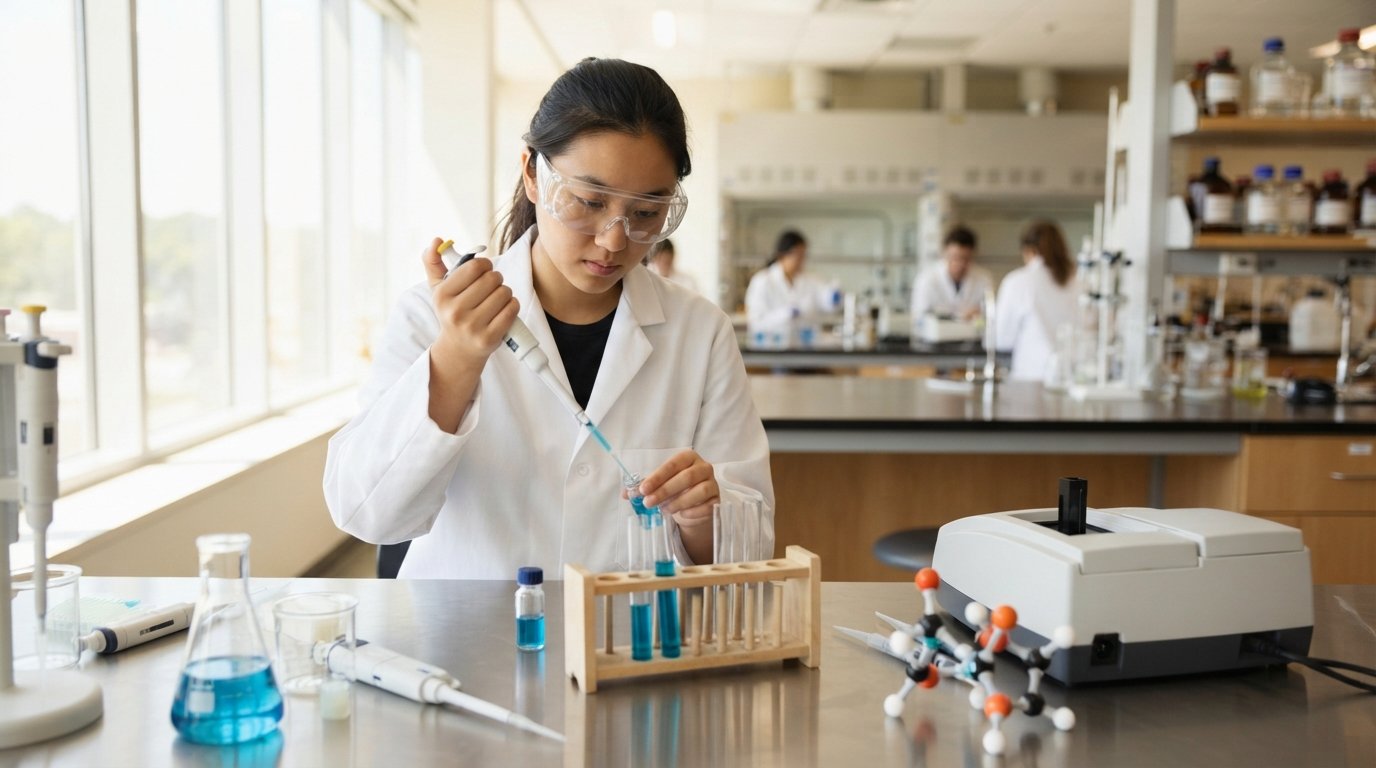
The Biochemistry Bachelor's degree, usually 4 years In-person at Charleston Southern University, is designed to give students a deep understanding of the chemical processes that drive living organisms. Coursework typically spans general chemistry, organic chemistry, analytical chemistry, physical chemistry, biology, genetics, and advanced biochemistry. Laboratory components are embedded throughout, ensuring that students do not just learn theory but also develop practical skills in instrumentation, data analysis, and experimental design. Because the program is delivered in person, students benefit from direct access to faculty mentors and campus research facilities.
The first two years usually focus on foundational science and mathematics, including calculus and statistics. In the junior and senior years, students take specialized biochemistry courses and often complete a capstone research project or internship. Small class sizes at Charleston Southern mean that undergraduates can participate in faculty-led research earlier than they might at larger institutions. This hands-on research experience is a significant advantage for students planning to apply to graduate school or professional programs in medicine, pharmacy, or dentistry.
Beyond the core science curriculum, the program includes general education requirements that encourage critical thinking, communication, and ethical reasoning. Many students also choose electives in molecular biology, neuroscience, or public health to tailor their degree toward specific career interests. The in-person format fosters collaborative learning and allows for impromptu study groups and lab sessions that build camaraderie among peers.
Admission Requirements and How to Prepare
Admission to the Biochemistry Bachelor's degree program at Charleston Southern University is competitive but accessible. Prospective students should have a strong high school background in science and mathematics. While specific requirements can vary, most successful applicants have completed courses in biology, chemistry, physics, and pre-calculus or calculus. A solid GPA and standardized test scores (if submitted) are considered, but the admissions team also reviews essays, letters of recommendation, and extracurricular activities that demonstrate a passion for science.
For transfer students or adult learners, Charleston Southern evaluates previous college coursework on a case-by-case basis. It is helpful to have completed introductory chemistry and biology sequences before transferring. Students who lack a recent science background may be advised to take preparatory courses during the summer before starting the program. The university offers academic support services, including tutoring and advising, to help students transition smoothly into the rigorous curriculum.
Because the program is in-person, applicants should also consider logistics such as housing, commuting, and scheduling. Charleston Southern is located in North Charleston, South Carolina, and offers on-campus housing options for traditional undergraduates. Adult learners and commuters can take advantage of flexible scheduling where possible, but most science courses are offered during daytime hours to accommodate laboratory sessions.
Costs, Financial Aid, and Return on Investment
Understanding the financial commitment is essential when evaluating any degree. Tuition for the Biochemistry Bachelor's degree at Charleston Southern University is set per credit hour, and students should also budget for fees, books, lab supplies, and room and board if living on campus. Private institutions like Charleston Southern often have higher sticker prices than public universities, but generous financial aid packages can bring net costs down significantly. The university offers merit scholarships, need-based grants, and athletic scholarships, as well as federal and state aid programs.
Prospective students should file the FAFSA as early as possible to maximize aid eligibility. South Carolina residents may qualify for state scholarships such as the LIFE Scholarship, which can be applied to tuition. Additionally, Charleston Southern provides institutional scholarships for academic achievement, leadership, and service. Beyond scholarships, students can explore federal work-study and student loan options, but should borrow responsibly.
To assess return on investment, consider the earning potential of biochemistry graduates. According to the U.S. Bureau of Labor Statistics, biochemists and biophysicists earned a median annual wage of around $102,000 in 2023, with jobs in research and development, pharmaceutical manufacturing, and higher education. Graduates with a bachelor's degree often start in laboratory technician or research assistant roles, earning $45,000 to $60,000 annually, and can advance with experience or further education. Over a lifetime, the degree can pay for itself through stable employment and opportunities for advancement. For a deeper look at funding options, you might explore resources on online health information management degree programs, which share similar financial aid principles.
Career Paths and Further Education
A Biochemistry Bachelor's degree opens doors to a variety of careers in health care, research, industry, and education. Many graduates pursue laboratory positions in pharmaceutical companies, biotechnology firms, or government agencies such as the FDA or CDC. Others work in clinical settings as research coordinators or laboratory managers. The degree also serves as excellent preparation for professional schools, including medical, dental, veterinary, and pharmacy programs. Because the curriculum includes rigorous coursework in chemistry and biology, students are well-prepared for entrance exams like the MCAT or PCAT.
Some graduates choose to enter the workforce directly, taking roles as quality control analysts, food safety inspectors, or environmental scientists. Others pursue teaching careers, though additional certification is often required for public school teaching. The analytical and problem-solving skills developed in the program are highly transferable to fields like forensic science, patent law, and science writing. At Charleston Southern, career services can help students network with potential employers and prepare for interviews.
For those interested in advancing their education, the Biochemistry Bachelor's degree provides a solid foundation for master's and doctoral programs in biochemistry, molecular biology, or related fields. Graduate school typically involves two to six years of additional study, often funded through teaching or research assistantships. Many students also consider online master's programs to balance further education with work commitments. While this article focuses on the in-person program, you can find broader guidance on degree pathways at CollegeDegree.Education, a resource that connects students with accredited programs.
Why Choose Charleston Southern University for Biochemistry
Charleston Southern University stands out for its commitment to integrating faith and learning. The university's mission emphasizes academic excellence within a Christian worldview, which appeals to students seeking a values-driven education. The biochemistry program is housed within the School of Science and Mathematics, where faculty members are dedicated to mentoring undergraduates and involving them in research. The campus features modern laboratories and equipment, providing students with the tools they need to succeed.
Another advantage is the location. North Charleston offers proximity to major medical centers, research institutions, and biotech companies, creating opportunities for internships and networking. The city of Charleston is known for its vibrant culture and growing tech sector, making it an attractive place to study and live. Students can also participate in community service, mission trips, and professional organizations like the American Chemical Society student chapter.
Class sizes are small, with most upper-level biochemistry courses capped at 20 to 30 students. This allows for personalized attention and strong relationships with professors. The in-person format also facilitates collaborative projects, peer study groups, and extracurricular activities that enrich the college experience. For students who thrive in a structured, supportive environment, Charleston Southern's Biochemistry Bachelor's degree is a compelling option.
Comparing In-Person and Online Options
While the Biochemistry Bachelor's degree, usually 4 years In-person at Charleston Southern University, is delivered on campus, some students may wonder about online alternatives. Biochemistry is a lab-intensive field, so fully online programs are rare and often require in-person lab components. That said, online degrees in related fields like health information management or public health can offer flexibility for working adults. If you are considering online options, it is important to verify accreditation and ensure that any required lab work can be completed locally.
For those who prefer the structure and resources of a traditional campus, Charleston Southern provides a residential experience that includes dorm life, dining halls, and campus ministries. The in-person format also allows for immediate feedback from instructors during lab sessions, which is invaluable for mastering complex techniques. Students who need to work while studying may find that the in-person schedule is less flexible, but the university offers evening and summer courses in some subjects to help students catch up or accelerate.
Ultimately, the choice between in-person and online depends on your circumstances and learning style. The Biochemistry Bachelor's degree at Charleston Southern is ideal for students who value face-to-face interaction, hands-on lab work, and a close-knit community. Those who require maximum flexibility might explore other options, but they should be aware that biochemistry is one of the less common fully online majors.
Steps to Apply and Enroll
Ready to take the next step? The application process for Charleston Southern University is straightforward. Here is a general timeline to guide you:
- Submit the online application: Complete the university's undergraduate application, which includes personal information, academic history, and a $25 application fee (fee waivers may be available).
- Send official transcripts: Request that your high school and any previous colleges send official transcripts directly to the admissions office.
- Provide test scores (optional): Charleston Southern is test-optional for many applicants, but you may submit SAT or ACT scores if they strengthen your application.
- Complete the FAFSA: File the Free Application for Federal Student Aid to determine eligibility for grants, loans, and work-study.
- Attend an orientation session: Once admitted, sign up for orientation to register for classes, meet advisors, and learn about campus resources.
After submitting your application, you can expect an admissions decision within a few weeks. The admissions team is available to answer questions and help you navigate the process. It is also a good idea to visit campus, either in person or virtually, to get a feel for the environment and meet faculty from the biochemistry department. Early application is encouraged, especially for scholarship consideration.
For students who need financial assistance, the financial aid office can help you explore options beyond the FAFSA, including private scholarships and payment plans. Charleston Southern also offers a tuition payment plan that spreads costs over several months, making it easier to manage expenses. Be sure to meet all deadlines, as missing the FAFSA priority date could reduce your aid package.
In summary, the Biochemistry Bachelor's degree, usually 4 years In-person at Charleston Southern University, is a rigorous and rewarding program that prepares students for diverse careers in science and health care. With small class sizes, hands-on research opportunities, and a supportive Christian community, it offers a distinctive educational experience. By understanding the curriculum, costs, and career outcomes, you can make an informed decision about whether this program aligns with your goals.