
Electrician Certificate at Blue Ridge: 12 Weeks to 1 Year
Earn your electrician certificate at Blue Ridge Community College in as little as 12 weeks. In-person training, affordable tuition, and job-ready skills.

By Lucas Scott
Blue Ridge Community College offers an electrician certificate that can be completed in as little as 12 weeks or up to less than one year, depending on the pathway you choose. For adults considering a career change or looking to enter the skilled trades quickly, this in-person program provides hands-on training that employers recognize. Unlike many online options, the electrician certificate at Blue Ridge is delivered face-to-face, giving you direct access to instructors and lab equipment. If you are exploring whether a short-term credential is right for you, understanding the structure, costs, and outcomes of this specific program can help you make an informed decision. And if you are also considering how this certificate might later apply toward a college degree, the team at CollegeDegrees.School offers resources on transferring credits and continuing your education.
Why an Electrician Certificate at Blue Ridge Community College Stands Out
Blue Ridge Community College has built a reputation for delivering practical, workforce-focused training in the trades. The electrician certificate program is designed to get you job-ready fast, without the time and expense of a traditional two- or four-year degree. The curriculum emphasizes safety, electrical theory, code compliance, and real-world wiring techniques. Because classes are held in person, you will spend significant time in labs and simulated work environments, which is critical for developing the muscle memory and problem-solving skills that electrical work demands.
Another advantage is the program's flexibility. You can choose a 12-week accelerated track or spread your studies over a longer period, up to just under a year. This makes it accessible whether you are unemployed and need to upskill quickly or currently working and want to train without leaving your job. The college also maintains relationships with local employers, which can ease your transition into an apprenticeship or entry-level position after completion.
Program Length and Scheduling: 12 Weeks to Less Than 1 Year
The electrician certificate at Blue Ridge Community College is not a one-size-fits-all program. The duration depends on the specific certificate level you pursue and whether you enroll full-time or part-time. The shortest option, often called a foundational certificate, can be completed in 12 weeks of full-time study. This track covers the basics: electrical safety, tools, residential wiring, and an introduction to the National Electrical Code (NEC). It is ideal if you need to enter the workforce quickly or want to test your interest before committing to a longer program.
A more comprehensive certificate, sometimes called a diploma or advanced certificate, may take between six months and less than one year. This longer pathway includes additional coursework in commercial wiring, motor controls, and blueprint reading, and it may prepare you for more specialized roles. Both options are delivered in person, with day and evening classes available to accommodate different schedules.
When evaluating which track is right for you, consider your timeline, budget, and career goals. The 12-week option gets you working sooner, but the longer certificate may open more doors and provide a stronger foundation for apprenticeship programs. Many students start with the short certificate and then return to complete the advanced one while working. This step-by-step approach lets you earn while you learn and reduces upfront costs.
Admission Requirements and How to Enroll
Admission to the electrician certificate program at Blue Ridge Community College is straightforward. You will need to apply to the college, submit proof of high school completion or equivalent, and take placement tests in math and reading unless you qualify for exemptions. Some certificate tracks may have additional requirements, such as a background check or a basic tools list, but these are typically minor. The program is open to beginners, so no prior electrical experience is necessary.
Because the program is in person, you will also need to attend an orientation and possibly an advising session to plan your course sequence. The college's admissions office can help you determine which certificate level fits your goals and whether you qualify for financial aid. It is worth noting that certificate programs often qualify for federal financial aid, including Pell Grants and student loans, so cost should not be a barrier if you qualify.
Curriculum and Hands-On Training
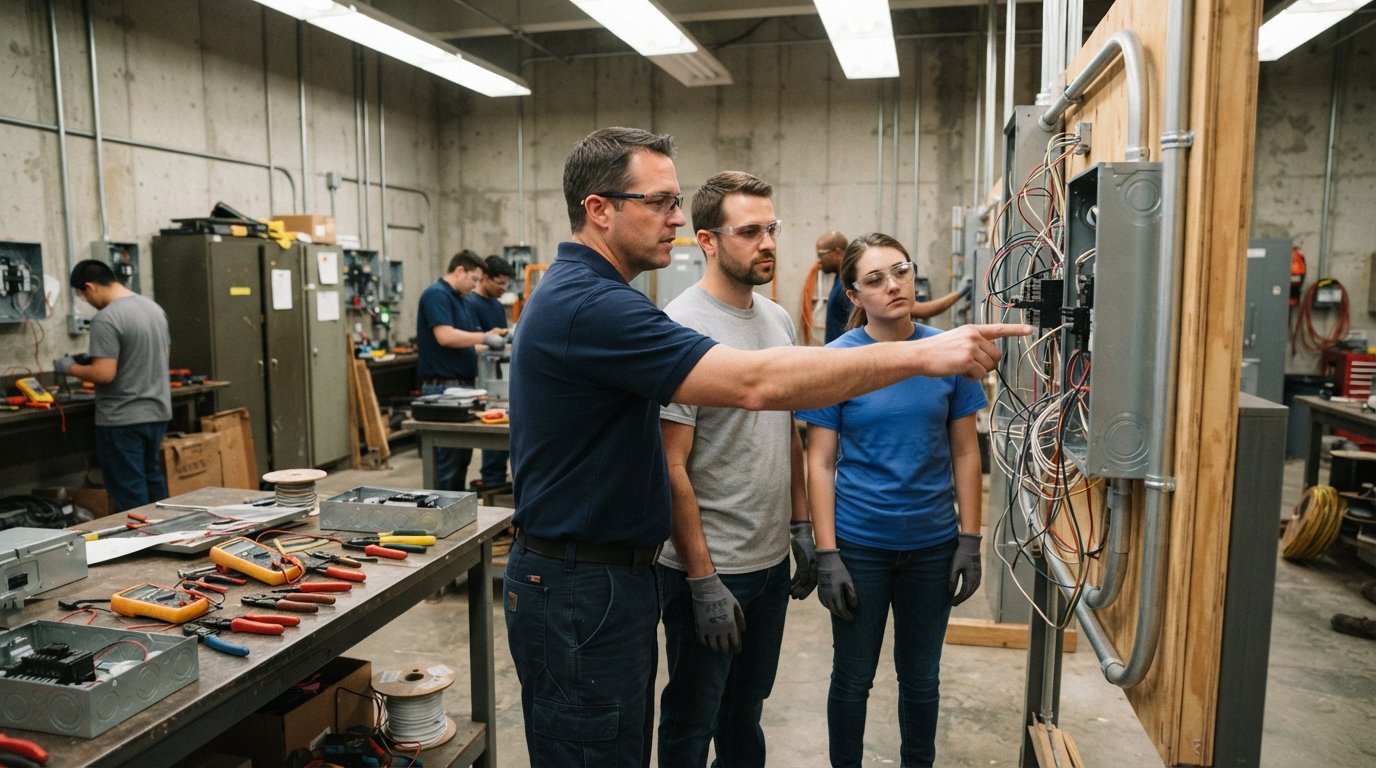
The curriculum for the electrician certificate is designed by industry professionals and updated regularly to reflect current code and technology. Core topics include electrical theory, safety procedures, wiring methods, conduit bending, and code interpretation. You will also learn how to read blueprints and troubleshoot electrical systems. Because the program is in person, you will spend at least half of your time in a lab setting, working with actual components and tools.
Hands-on training is the cornerstone of this program. You will practice installing switches, outlets, lighting fixtures, and service panels. You will also learn to use multimeters, clamp meters, and other diagnostic tools. Instructors are typically licensed electricians with years of field experience, so you get practical tips that go beyond the textbook. By the end of the program, you should be able to assist on residential and light commercial job sites with confidence.
In addition to technical skills, the program emphasizes soft skills like communication, teamwork, and workplace safety. These are essential for success in the trades, where you often work as part of a crew and interact with clients. The combination of technical and interpersonal training makes graduates well-rounded candidates for entry-level positions.
Costs, Financial Aid, and Return on Investment
Tuition for the electrician certificate at Blue Ridge Community College is significantly lower than for a degree program. For North Carolina residents, the cost per credit hour is quite affordable, and the total program cost for the 12-week certificate may be under $1,500. The longer certificate will cost more but still represents a fraction of the cost of a two-year degree. Additional expenses include textbooks, tools, and possibly a uniform or safety gear. However, many of these items can be purchased gradually or borrowed from the college's tool loan program.
Financial aid is available for eligible students. The Free Application for Federal Student Aid (FAFSA) is the starting point for grants, work-study, and loans. Blue Ridge also offers scholarships specifically for trades students, and local workforce development boards may provide funding for short-term training. Because the program is short, you can enter the workforce quickly and start earning a paycheck, which improves your return on investment.
To estimate your potential ROI, consider the average starting salary for electrician helpers in North Carolina, which ranges from $30,000 to $40,000 per year. With experience and additional certifications, electricians can earn $60,000 or more. Completing a certificate does not make you a journeyman electrician, but it gives you a head start on the required on-the-job hours and classroom instruction. Many employers will hire certificate graduates as helpers and then support them through an apprenticeship.
Career Outcomes and Next Steps After Completion
Graduates of the electrician certificate program at Blue Ridge Community College typically find entry-level employment as electrician helpers, apprentice electricians, or maintenance technicians. Some may work for electrical contractors, while others join manufacturing or facilities maintenance teams. The certificate also provides a solid foundation if you decide to pursue further education, such as an associate degree in electrical systems or a bachelor's in engineering technology.
If you are considering advancing your education beyond the certificate, you might wonder how your credits will transfer. In our guide on how to transfer credits from a community college to a university, we explain the process and what to watch for. This can be especially useful if you later want to earn a degree online while working. Many online bachelor's programs in fields like industrial technology or construction management accept transfer credits from accredited community colleges.
For those who want to continue working while studying, online degree programs offer flexibility. DegreesOnline.Education provides comprehensive guides on accredited online degrees, financial aid, and career pathways. Exploring these resources can help you map out a long-term plan that starts with a certificate and leads to a degree and beyond.
Comparing In-Person vs. Online Electrician Training
While many programs have moved online, electrical training is one field where in-person instruction is critical. The hands-on nature of the work means you need to practice wiring, conduit bending, and troubleshooting under the supervision of an experienced instructor. Online simulations can supplement learning, but they cannot replace the real thing. Blue Ridge Community College's commitment to in-person training ensures you graduate with the confidence and skills that employers demand.
That said, some classroom components, such as code review or theory, could be delivered online in a hybrid format. However, the electrician certificate at Blue Ridge is currently offered entirely in person, which is a deliberate choice to maintain high standards. If you are unable to attend in person, you may need to look for hybrid programs elsewhere, but be aware that you will still need to complete hands-on hours. For most students, the in-person format is a benefit, not a drawback, because it provides structure, accountability, and direct access to instructors.
Is the Electrician Certificate Right for You?
This program is ideal for individuals who enjoy working with their hands, solving problems, and seeing tangible results. It suits career changers who want to enter a stable, in-demand field without spending years in school. It also works for recent high school graduates who want to start earning quickly. If you are self-motivated, safety-conscious, and willing to learn, you can succeed in this program.
Before enrolling, consider your physical abilities and comfort with heights, confined spaces, and varying weather conditions. Electricians often work in attics, crawl spaces, and outdoor settings. The job can be physically demanding, but it is also rewarding. If you are unsure, you might try a short introductory course or speak with an electrician to learn more about the day-to-day work.
How to Get Started at Blue Ridge Community College
To begin, visit the Blue Ridge Community College website and navigate to the electrician certificate page. There you will find detailed information on admission steps, course schedules, and tuition. You can also contact the admissions office to speak with an advisor. They can help you choose between the 12-week and longer certificate options and explain any prerequisites.
If you need financial aid, start by completing the FAFSA. The college's financial aid office can guide you through the process and identify scholarships you may qualify for. Once you are admitted, you will register for classes and attend an orientation. The entire process is designed to be user-friendly, even if you have never attended college before.
Beyond the Certificate: Advancing Your Career
After completing the certificate, you may want to continue your education to increase your earning potential. Many electricians pursue an associate degree in electrical technology, which can lead to roles as electrical designers, estimators, or supervisors. Others go on to earn a bachelor's degree in engineering or construction management. These degrees can often be completed online while you work, making them accessible for busy adults.
DegreesOnline.Education is a valuable resource for exploring accredited online degree programs. Their guides cover topics like financial aid, tuition costs, and return on investment, helping you make informed decisions. Whether you are just starting out or looking to advance, the combination of a hands-on certificate and a strategic online degree can set you on a path to a fulfilling career.
In summary, the electrician certificate at Blue Ridge Community College offers a fast, affordable, and practical way to enter the electrical trade. With options ranging from 12 weeks to less than a year, in-person instruction, and strong job prospects, it is a smart choice for anyone seeking a stable career. Take the first step today by contacting the college or exploring online resources to plan your future.