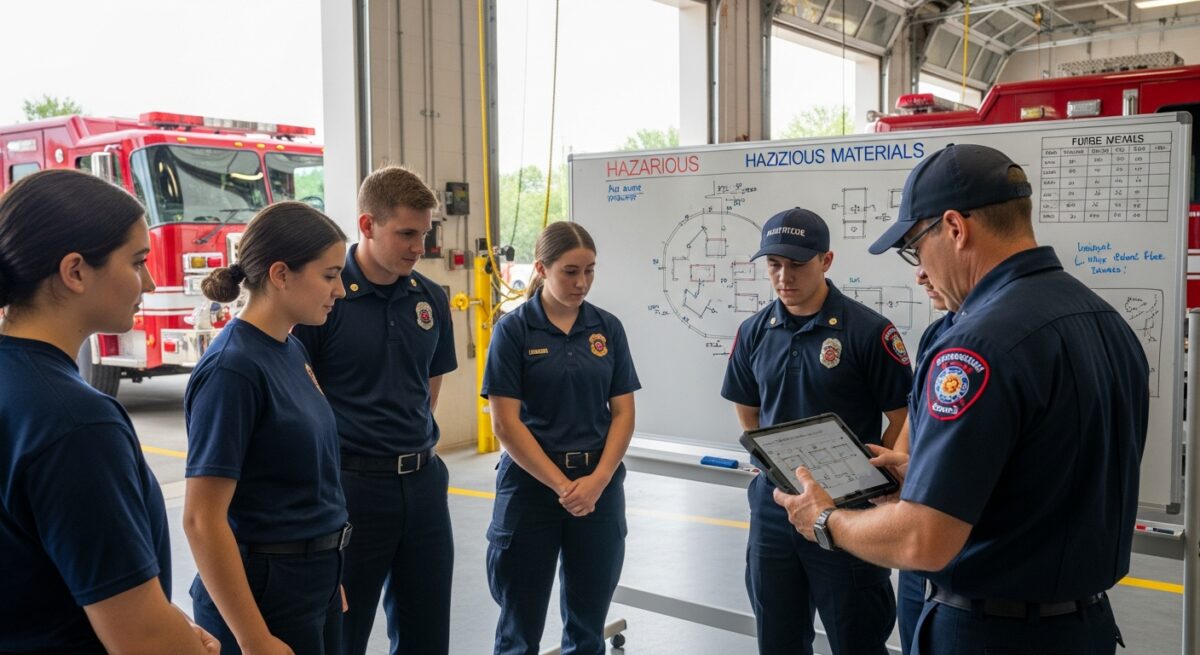
Fire science has evolved far beyond the traditional image of firefighters battling flames. Today, professionals in this field combine technical expertise, leadership skills, and emergency management knowledge to protect communities and save lives. For working adults, career changers, and first responders seeking advancement, an online fire science degree offers a flexible path to higher education without sacrificing current job responsibilities. This guide explores the career opportunities, program structures, and strategic steps to earning a fire science degree online.
Why Choose an Online Fire Science Degree?
Earning a fire science degree online allows students to study fire dynamics, building codes, hazardous materials management, and emergency services administration from anywhere with an internet connection. Unlike traditional on-campus programs, online formats accommodate shift workers, volunteer firefighters, and military personnel who cannot attend fixed class times. Many programs offer asynchronous coursework, meaning you can complete lectures and assignments on your own schedule.
The demand for educated fire service leaders continues to grow. According to the National Fire Protection Association, fire departments increasingly require advanced certifications and degrees for promotion to officer ranks. An online fire science degree prepares you for these leadership roles while allowing you to remain active in your current department. Additionally, many employers offer tuition reimbursement programs specifically for public safety education, making this investment more affordable.
For those exploring broader educational options, accredited online degrees provide a reliable pathway to career advancement across multiple disciplines, including fire science.
Types of Online Fire Science Degrees
Associate Degree in Fire Science
An Associate of Applied Science (AAS) in Fire Science typically requires 60 to 70 credit hours and takes two years of full-time study. This degree is ideal for entry-level firefighters and those seeking promotion to lieutenant or captain. Coursework covers fire behavior, fire prevention, building construction, and emergency medical services. Many community colleges offer these programs entirely online, with practical skills evaluated through video submissions or local training facilities.
Bachelor’s Degree in Fire Science
A Bachelor of Science (BS) in Fire Science or Fire Administration expands on technical knowledge with management, public administration, and research methods. These 120-credit programs often include concentrations in emergency management, fire investigation, or occupational safety. Graduates qualify for chief officer positions, fire marshal roles, and leadership in state or federal emergency agencies. Online bachelor’s programs typically allow four to six years for completion, accommodating working professionals.
Master’s Degree in Fire Science
Graduate programs in fire science or emergency services management focus on strategic planning, policy development, and advanced research. A master’s degree prepares professionals for executive roles such as fire chief, emergency management director, or consultant. These programs require 30 to 40 credit hours and often include a capstone project or thesis. Online delivery makes graduate education accessible to mid-career officers who cannot relocate to a campus.
Core Curriculum and Specializations
Fire science degree online programs share a common foundation in fire chemistry, suppression systems, and incident command. Students learn to analyze fire scenes, develop prevention strategies, and manage emergency operations. Typical core courses include:
- Fire Dynamics and Combustion – Understanding how fires start, spread, and respond to extinguishing agents
- Building Construction for Fire Protection – Evaluating structural integrity and fire-resistive materials
- Fire Prevention and Code Enforcement – Applying local and national fire codes to reduce risks
- Emergency Services Administration – Managing budgets, personnel, and resources in fire departments
- Hazardous Materials Management – Handling chemical spills, radiological incidents, and toxic exposures
Beyond core requirements, many programs offer specializations that align with career goals. Fire investigation concentrations teach evidence collection and legal testimony. Emergency management tracks cover disaster planning, recovery operations, and interagency coordination. Wildland fire management focuses on ecosystem behavior and suppression tactics. Choosing a specialization early helps you tailor your coursework to your target role.
Career Paths with an Online Fire Science Degree
Graduates of fire science degree online programs enter a diverse job market with opportunities in public, private, and nonprofit sectors. The most common career paths include:
Firefighter and Company Officer
Frontline firefighters respond to emergencies, perform rescues, and operate equipment. With experience and education, they advance to lieutenant, captain, or battalion chief. An associate or bachelor’s degree is often required for promotion in metropolitan departments. Firefighters earn a median annual wage of approximately $50,000, with top earners exceeding $80,000 in high-cost areas.
Fire Inspector and Investigator
Fire inspectors examine buildings for code compliance, conduct plan reviews, and issue permits. Investigators determine fire causes and origins, working with law enforcement on arson cases. These roles require strong analytical skills and knowledge of fire science principles. The median salary for fire inspectors is around $60,000, with experienced investigators earning over $80,000.
Emergency Management Director
Emergency management directors coordinate disaster response, develop evacuation plans, and manage recovery efforts. They work for local governments, hospitals, and private corporations. A bachelor’s degree in fire science or emergency management is the standard entry requirement. Salaries range from $55,000 to $100,000 depending on jurisdiction and experience.
Fire Protection Engineer
Fire protection engineers design suppression systems, evaluate building materials, and conduct risk assessments. This role typically requires a bachelor’s degree in fire protection engineering or a related field. However, a fire science degree combined with engineering coursework can qualify candidates for junior positions. Fire protection engineers earn a median salary of $90,000, with senior roles exceeding $120,000.
Accreditation and Program Quality
When selecting an online fire science degree program, accreditation is the most important quality indicator. Regional accreditation ensures the institution meets academic standards and that credits transfer to other colleges. Programmatic accreditation from the International Fire Service Accreditation Congress (IFSAC) or the National Board on Fire Service Professional Qualifications (Pro Board) validates that the curriculum aligns with industry standards.
Prospective students should verify accreditation status on the institution’s website or through the Council for Higher Education Accreditation (CHEA). Avoid programs that are not accredited, as credits may not be recognized by employers or other educational institutions. Additionally, check whether the program offers transfer pathways for prior learning credits from fire academy training, military service, or professional certifications.
Admissions Requirements and Transfer Credits
Admission to fire science degree online programs varies by level. Associate programs typically require a high school diploma or GED, with minimum GPA standards. Bachelor’s programs may ask for SAT or ACT scores from recent high school graduates, though many waive these for adult learners with work experience. Graduate programs require a bachelor’s degree from an accredited institution, letters of recommendation, and a statement of purpose.
Many online programs accept transfer credits from community colleges, technical schools, and military training. If you hold certifications such as Firefighter I and II, EMT, or Hazardous Materials Technician, you may receive credit for equivalent coursework. Request a preliminary credit evaluation before applying to understand how your existing credentials apply. This can shorten your degree completion time significantly.
Cost and Financial Aid
Tuition for online fire science degrees ranges from $200 to $600 per credit hour for in-state public institutions, while private universities charge higher rates. Associate degrees cost between $10,000 and $20,000 total, while bachelor’s programs range from $30,000 to $60,000. Graduate programs vary widely, with some costing under $15,000 and others exceeding $40,000.
Financial aid options include federal grants and loans (via FAFSA), employer tuition assistance, and scholarships from organizations like the National Fire Protection Association (NFPA) and the International Association of Fire Fighters (IAFF). Many online programs offer payment plans and military discounts. Always complete the FAFSA to determine eligibility for need-based aid, even if you think your income is too high.
Frequently Asked Questions
Can I earn a fire science degree entirely online? Yes, many accredited colleges offer fully online fire science degrees with no on-campus requirements. Some programs may require proctored exams or local practical skill assessments arranged through a nearby training facility.
How long does it take to complete an online fire science degree? An associate degree takes about two years of full-time study, a bachelor’s degree takes four years, and a master’s degree takes one to two years. Part-time enrollment extends these timelines. Accelerated programs may allow completion in less time.
Will an online degree be respected by fire departments? Yes, as long as the program is regionally accredited and recognized by IFSAC or Pro Board. Fire departments value education combined with practical experience, and online degrees are now widely accepted for promotion and hiring.
What jobs can I get with a fire science degree besides firefighting? Graduates work as fire inspectors, investigators, emergency managers, safety officers, insurance underwriters, and consultants. The degree also prepares you for roles in industrial fire protection and government agencies.
Do I need prior fire service experience to enroll? Most associate and bachelor’s programs accept students without firefighting experience. However, some advanced courses may require current certification or employment in the field. Graduate programs typically prefer applicants with professional experience.
Choosing the right online fire science degree program requires careful research into accreditation, curriculum, and career alignment. By understanding the educational pathways and professional opportunities, you can make an informed decision that advances your career in fire service and emergency management. Start by exploring accredited programs that fit your schedule and budget, and take the first step toward leadership in this vital profession.