For accounting professionals aiming to earn the Certified Public Accountant credential, the path has changed dramatically. Traditional classroom programs once required rigid schedules and long commutes. Today, online CPA courses for accounting professionals offer flexibility without sacrificing academic rigor. Whether you are a recent graduate or a seasoned accountant seeking career advancement, understanding how to choose and succeed in these programs is essential. This article explores the key features of quality CPA exam prep online, the structure of effective courses, and how to align your study plan with your professional goals.
The demand for CPAs continues to grow as businesses and individuals require expert guidance on tax law, auditing, and financial strategy. Earning the CPA license signals a high level of competence and ethical standards. However, the path to licensure involves passing the Uniform CPA Examination, meeting education requirements, and fulfilling experience mandates. Online CPA courses for accounting professionals simplify this journey by providing structured content that matches the exam’s four sections: Auditing and Attestation, Business Environment and Concepts, Financial Accounting and Reporting, and Regulation.
Why Online CPA Courses Appeal to Working Professionals
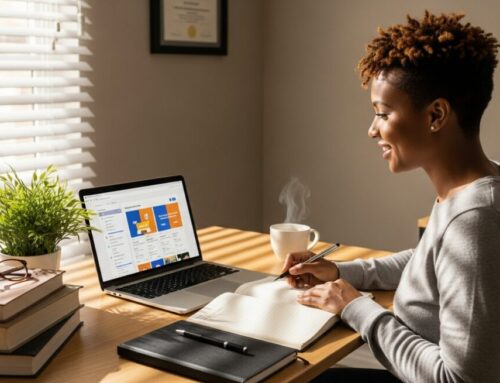
Balancing a full-time job with exam preparation is one of the biggest challenges accounting professionals face. Online courses remove the need to attend physical classes at fixed times. Instead, learners can access video lectures, practice questions, and study materials whenever and wherever they choose. This flexibility allows professionals to study during lunch breaks, evenings, or weekends without disrupting their work schedule.
Another advantage is the ability to customize learning paths. Many online CPA courses for accounting professionals include diagnostic assessments that identify strengths and weaknesses. Based on these results, the platform recommends specific modules or question sets to target areas needing improvement. This personalized approach saves time and increases efficiency compared to generic study programs.
Cost is another factor. Online courses often cost less than in-person review classes because they eliminate expenses related to classroom rentals, printed materials, and instructor travel. Many providers offer tiered pricing, allowing students to choose basic packages or comprehensive bundles that include video lectures, textbooks, and simulated exams. For those on a tight budget, some platforms even offer payment plans or free trials.
Key Components of Effective CPA Exam Prep Online
Not all online CPA courses are created equal. The best programs combine high-quality content with proven learning techniques. Here are the essential components to look for when evaluating CPA exam prep online options:
Comprehensive Content Coverage. The course must cover all four sections of the CPA Exam in depth. Each section requires different knowledge areas, and the course should break down topics into manageable lessons. Look for offerings that include video lectures, written summaries, and flashcards to accommodate different learning styles.
Practice Questions and Simulations. The CPA Exam includes multiple-choice questions, task-based simulations, and written communication tasks. Effective online CPA courses for accounting professionals provide thousands of practice questions that mirror the actual exam format. Task-based simulations are especially important because they test the ability to apply concepts in realistic scenarios.
Progress Tracking and Analytics. A quality platform tracks your performance across all sections and question types. Detailed analytics show which topics you have mastered and which require more study. This data helps you allocate your limited study time efficiently.
Instructor Support. Even in an online environment, access to expert instructors is valuable. Some courses offer live webinars, office hours, or message boards where students can ask questions. Others provide pre-recorded lectures with clear explanations. Choose a format that matches your preference for direct interaction.
Mobile Accessibility. Many accounting professionals spend time commuting or traveling. A mobile-friendly platform or dedicated app ensures you can review flashcards, watch videos, or answer practice questions on your smartphone or tablet.
How to Choose the Right Course Format
Deciding between self-paced courses and instructor-led programs depends on your learning style and schedule. Self-paced courses give you complete control over the timeline. You can speed through topics you already know and spend extra time on challenging areas. This format works well for disciplined learners who can maintain motivation without external deadlines.
Instructor-led programs follow a fixed schedule with live or recorded sessions. They provide structure and accountability, which is helpful for those who struggle with procrastination. Some providers offer hybrid models that combine self-paced materials with periodic live review sessions. In our guide on how to find free online university courses from accredited schools, we discuss similar strategies for evaluating flexible learning options.
Integrating CPA Exam Prep with Your Career Path
Online CPA courses for accounting professionals are not just about passing the exam. They also help build skills that are directly applicable to your job. For example, the auditing section covers risk assessment and internal controls, which are relevant for accountants working in public accounting or corporate finance. The regulation section covers tax law and ethics, which are crucial for tax professionals.

Many employers value the CPA credential and may offer tuition reimbursement or bonuses for passing the exam. Some firms even provide study materials or paid time off for exam preparation. Before enrolling in a course, check with your employer about available support. This can reduce out-of-pocket costs and demonstrate your commitment to professional growth.
Additionally, the discipline required to complete an online CPA course can enhance your time management and self-study skills. These abilities are highly regarded in the accounting profession, where deadlines and continuous learning are constants. By successfully completing a rigorous online program, you signal to employers that you can handle complex tasks independently.
Overcoming Common Challenges in Online Learning
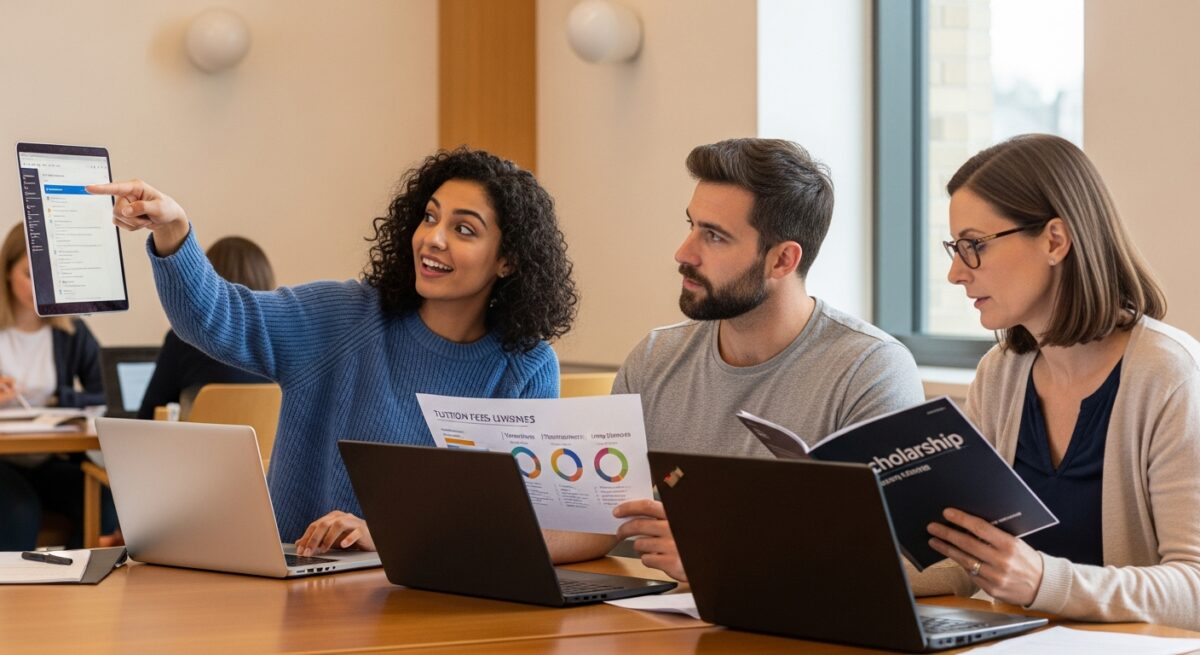
Despite the advantages, online CPA exam prep comes with challenges. One common issue is isolation. Without classmates or instructors physically present, some learners feel disconnected. To combat this, join online study groups or forums where you can discuss difficult topics. Many course platforms include community features where students can share tips and encouragement.
Another challenge is maintaining consistency. The flexibility of online courses can lead to procrastination if you do not set a schedule. Create a weekly study plan and treat it like a non-negotiable appointment. Use the progress tracking tools to hold yourself accountable. Setting small milestones, such as completing a certain number of practice questions each week, helps maintain momentum.
Technical issues can also disrupt learning. Ensure you have a reliable internet connection and a device that meets the course platform’s requirements. Download materials for offline access when possible. Most reputable providers offer technical support, so reach out if you encounter problems.
Frequently Asked Questions
How long does it take to complete online CPA courses for accounting professionals?
The duration varies based on the course format and your study pace. Self-paced programs can take anywhere from three to twelve months per section. Instructor-led courses typically run for eight to sixteen weeks per section. Most candidates take one to two years to prepare for and pass all four exam sections.
Are online CPA courses accepted by all state boards of accountancy?
Yes, as long as the course content aligns with the CPA Exam blueprint. However, education requirements for licensure vary by state. You must also complete a certain number of college credits in accounting and business. Online CPA courses for accounting professionals focus on exam preparation, not on meeting the 150-credit hour requirement. Verify your state board’s specific rules before enrolling.
Can I access CPA exam prep online from any device?
Most modern platforms are designed to work on desktops, laptops, tablets, and smartphones. Some providers offer dedicated mobile apps that sync your progress across devices. Check the system requirements before purchasing to ensure compatibility with your devices.
What is the pass rate for candidates who use online CPA courses?
Pass rates vary by provider and individual effort. Studies suggest that candidates who complete a structured review course have higher pass rates than those who study independently. Many online CPA courses for accounting professionals boast pass rates above 80% for students who complete at least 80% of the course content.
How much do online CPA courses cost?
Prices range from approximately $500 for basic self-study packages to $3,500 for comprehensive instructor-led programs. Some providers offer payment plans or discounts for purchasing multiple sections at once. Compare features and read reviews to find a course that fits your budget and learning style.
Building a Long-Term Learning Strategy
Passing the CPA Exam is a significant achievement, but it is just the beginning of a lifelong learning journey. The accounting profession evolves constantly due to changes in tax laws, accounting standards, and technology. Online CPA courses for accounting professionals often include updates to reflect these changes, and many providers offer access to materials for a set period after purchase. Take advantage of these resources to stay current.
After earning your license, consider pursuing continuing professional education (CPE) through online platforms. Many states require CPAs to complete a certain number of CPE hours each year to maintain licensure. Online courses make it easy to fulfill these requirements without interrupting your work schedule. Explore options from reputable organizations and college degree schools that offer specialized accounting programs.
Finally, remember that the goal is not just to pass an exam but to build a rewarding career. The knowledge and skills you gain from online CPA courses will serve you throughout your professional life. By investing in high-quality CPA exam prep online, you position yourself for promotions, higher salaries, and greater job satisfaction. Take the first step today: research accredited programs, set a study schedule, and commit to your success.