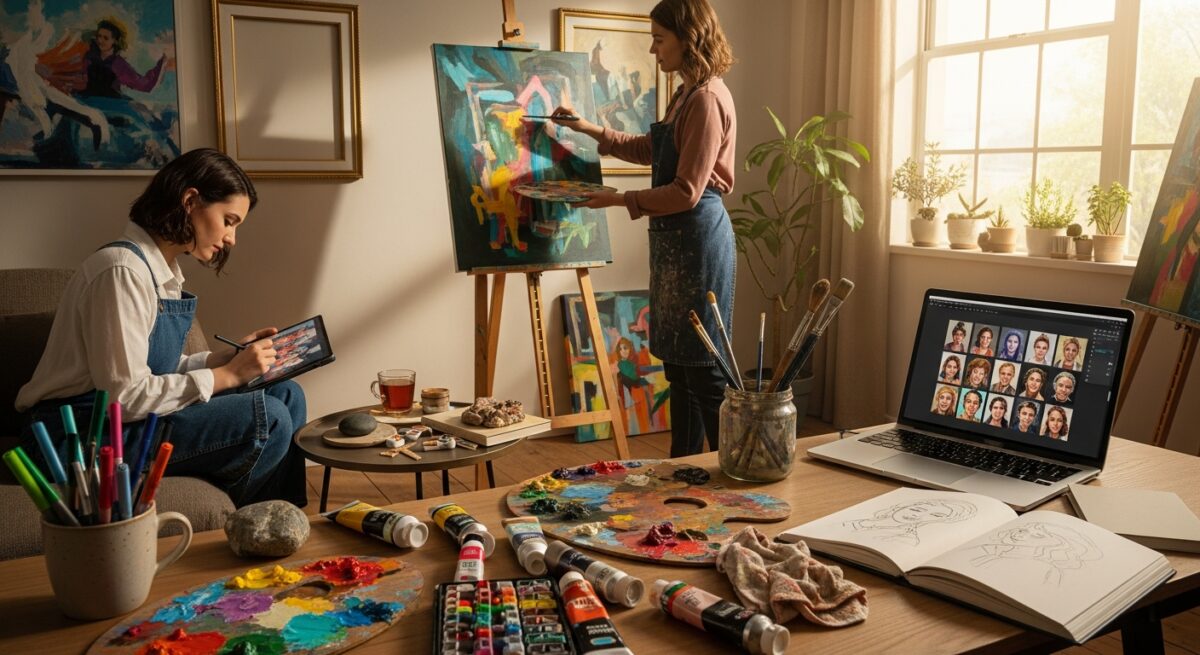
Deciding to pursue a creative career is a bold and rewarding step. Whether you dream of becoming a graphic designer, an illustrator, a digital animator, or a fine artist, the path to a professional credential has changed dramatically. The days of being tied to a physical campus are fading. Today, you can earn a respected credential from home, fitting your studies around work and family. This article explores the landscape of online art school programs and degree options, helping you understand what to look for, what to expect, and how to choose the right path for your future.
The flexibility of an art degree online is a major advantage for adult learners and career changers. You can access world-class instruction, build a portfolio, and network with peers without relocating or quitting your job. However, not all programs are created equal. Accreditation, faculty expertise, and the quality of digital critique matter deeply. We will walk through the key factors to consider, the types of degrees available, and the practical steps to get started. By the end, you will have a clear framework for evaluating your options and moving forward with confidence.
Why Choose an Online Art School?
Choosing an online art college over a traditional brick-and-mortar institution offers several distinct advantages. For many, the primary benefit is flexibility. You can watch lectures, complete assignments, and participate in critiques on your own schedule. This is invaluable if you are balancing a job, parenting, or other commitments. You also save on commuting costs and housing, making education more affordable overall.
Another key benefit is access to a wider range of specialties. A local college might only offer a few art concentrations. Online art school programs and degree options often include niche fields like concept art, game design, medical illustration, and user experience (UX) design. This variety allows you to tailor your education to a specific career goal. Additionally, online programs often attract students from around the world, providing a diverse peer group that enriches your learning and expands your professional network.
Finally, many online art colleges are designed with technology at their core. You will become proficient with industry-standard software and digital workflows, which is a direct advantage when you enter the job market. The skills you build in an online environment often translate directly to the collaborative, remote-friendly nature of modern creative industries.
Types of Online Art Degrees Available
When researching online art school programs and degree options, you will find several academic levels. Each serves a different purpose and fits a different stage in your career.
Associate Degrees in Art
An associate degree (typically two years) is a great starting point. It provides foundational skills in drawing, design principles, and art history. Many students use an associate degree as a stepping stone to a bachelor’s program, transferring credits to save time and money. Others use it to qualify for entry-level positions in fields like graphic design or photography assistance.
Bachelor’s Degrees in Art
A Bachelor of Fine Arts (BFA) or Bachelor of Arts (BA) in Art is the most common credential for serious artists and designers. A BFA is more intensive and focuses on studio practice, while a BA includes a broader liberal arts education. Both typically take four years. These programs offer deep specialization in areas such as animation, illustration, painting, or graphic design. A bachelor’s degree is often required for mid-level and senior creative roles.
Master’s Degrees in Art
For those seeking leadership roles, teaching positions, or advanced creative practice, a Master of Fine Arts (MFA) is the terminal degree in the field. Online MFA programs are rigorous and require a strong portfolio for admission. They focus on advanced critique, theory, and professional practice. While an MFA is not necessary for all careers, it can open doors to higher salaries and academic appointments.
Certificate Programs and Specializations
Not every career goal requires a full degree. Certificate programs are shorter, focused tracks that build specific skills. Examples include a certificate in UX design, digital painting, or typography. These are ideal for professionals who want to upskill or pivot into a new niche without committing to a multi-year program.
What to Look for in an Online Art College
Choosing the right program requires careful evaluation. Here are the critical factors to consider:
Accreditation
Accreditation is non-negotiable. It ensures that the institution meets quality standards and that your degree will be recognized by employers and other schools. Look for regional accreditation (for the institution) and programmatic accreditation from bodies like the National Association of Schools of Art and Design (NASAD). Without proper accreditation, your degree may hold little value.
Faculty and Mentorship
Who teaches the courses matters immensely. Look for faculty who are practicing artists, designers, or industry professionals. Read their bios and check their portfolios. In an online setting, mentorship often happens through video critiques, discussion boards, and one-on-one virtual meetings. A program with low student-to-faculty ratios offers more personalized feedback.
Curriculum and Portfolio Focus
The best online art school programs and degree options are built around portfolio development. Your portfolio is your ticket to a job. Review the curriculum to ensure it includes multiple portfolio courses, senior projects, and opportunities to create work that reflects current industry trends. Avoid programs that rely too heavily on theory without practical application.
Technology and Learning Platform
Ask about the learning management system (LMS) and the tools used for critique. Some schools use specialized platforms for real-time drawing feedback. Others rely on standard video conferencing. Ensure the technology supports high-quality image sharing and video playback. Also, confirm that you have access to necessary software (like Adobe Creative Cloud) through the school at a discounted rate.
Student Support Services
Online students need robust support. This includes academic advising, career counseling, technical support, and library access. A good online art college will offer virtual office hours, tutoring in art fundamentals, and career services that help you build your resume and find internships.
How to Compare Online Art School Programs and Degree Options
To make an informed decision, create a comparison framework. Below is a list of key questions to ask when evaluating each program:
- What is the total tuition and are there additional fees for technology or materials?
- How often do courses start, and can you take classes year-round?
- Are the courses synchronous (live) or asynchronous (self-paced)? A mix is often best.
- What is the job placement rate for graduates in your specific field of interest?
- Does the program offer a free trial or a sample critique session?
Once you have answers to these questions, you can rank programs by fit. Remember that the most expensive program is not always the best. Focus on the value: the quality of instruction, the strength of the alumni network, and the relevance of the curriculum to your career goals. For a broader view of related fields, you can also explore our guide on Explorating Diverse Online Arts Programs University Options to see how different institutions structure their offerings.
Career Paths with an Art Degree Online
An art degree online can lead to a wide range of careers. The creative economy is thriving, and digital skills are in high demand. Here are some common paths:
- Graphic Designer: Create visual concepts for brands, websites, and marketing materials.
- Illustrator: Produce artwork for books, magazines, advertisements, and digital media.
- Animator: Design moving images for film, television, video games, and online content.
- UX/UI Designer: Improve the usability and visual appeal of websites and applications.
- Art Director: Oversee the visual style and creative direction of projects in media or advertising.
Each of these roles requires a strong portfolio and a solid understanding of design principles. Many employers now value a digital-first education because it demonstrates self-discipline and technical proficiency. As you progress in your career, you may also choose to freelance or start your own studio, giving you even more control over your work and income.
Frequently Asked Questions
Can I get a fine arts degree entirely online?
Yes, many accredited universities offer complete Bachelor of Fine Arts (BFA) and Master of Fine Arts (MFA) programs online. These programs include studio courses, critiques, and art history requirements delivered through digital platforms.
Are online art degrees respected by employers?
Yes, when the degree comes from an accredited institution with a strong reputation. Employers care most about your portfolio, skills, and work ethic. An online degree from a respected school is viewed equally to an on-campus degree in most creative industries.
How do online art classes handle critiques and feedback?
Most programs use a combination of live video critiques, recorded feedback, and written comments. Students upload images of their work, and instructors provide detailed analysis. Some programs also include peer review sessions to foster collaboration.
What equipment do I need for an online art program?
You will typically need a reliable computer, a graphics tablet (like a Wacom or iPad), a high-speed internet connection, and access to design software. Some programs require specific hardware for 3D modeling or video editing. Check the school’s technical requirements before enrolling.
Can I transfer credits from a community college to an online art college?
Many online colleges accept transfer credits from regionally accredited institutions. It is important to request a transfer credit evaluation before applying to understand which credits will apply to your degree.
Making Your Decision and Taking the Next Step
Choosing the right online art school programs and degree options is a personal and strategic decision. Start by identifying your career goals and the skills you need to develop. Then, research accredited schools that offer the specialization you want. Reach out to admissions advisors, attend virtual open houses, and ask to speak with current students or alumni. For additional insight into how to evaluate schools and understand the financial aspects, you can visit CollegeDegree.school for resources on comparing programs and planning your education.
The investment you make in your education will pay dividends throughout your career. With the flexibility of online learning, there has never been a better time to pursue your passion for art. Take the first step today: request information from a few programs, review their portfolios, and begin building the future you envision. Your creative journey starts now.