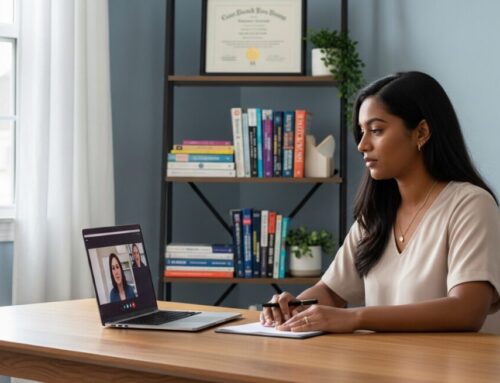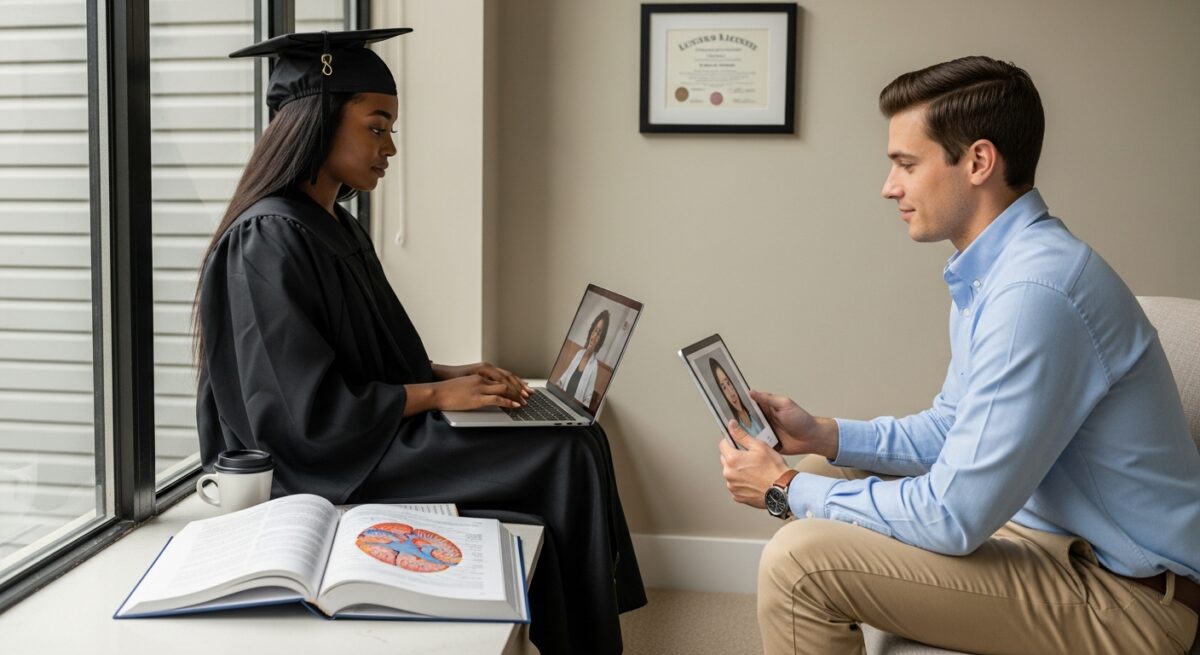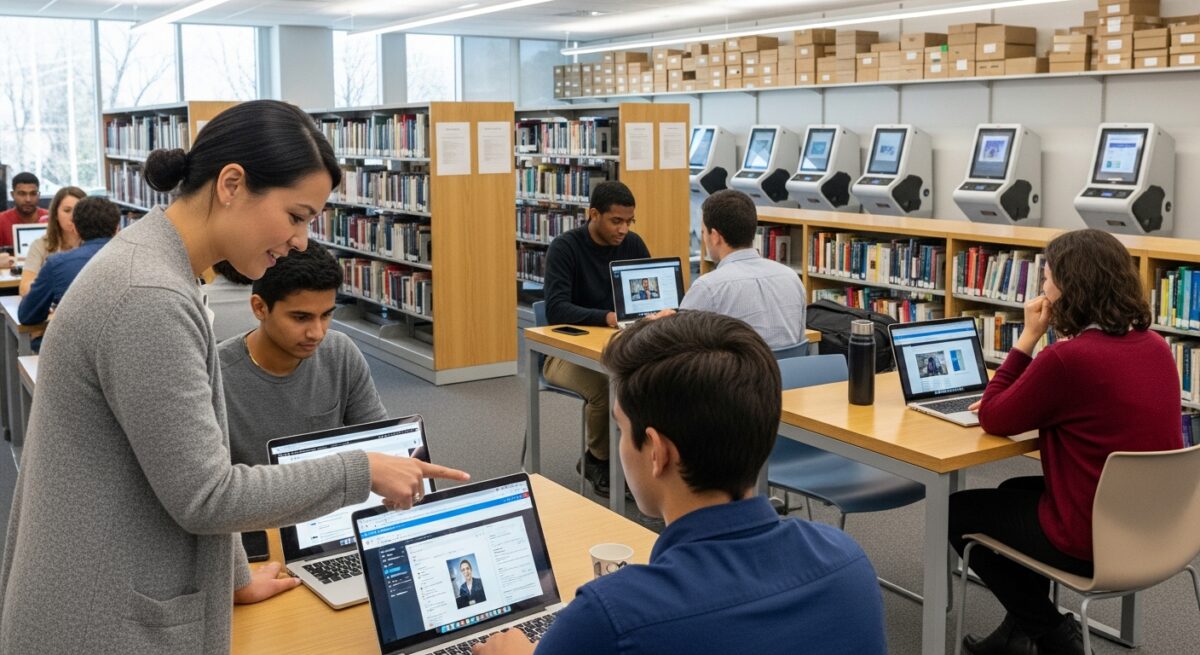
Imagine a career where every day involves connecting people with information, preserving knowledge, and empowering communities. For many, the path to becoming a librarian or information professional starts with a graduate degree. For working adults and career changers, the flexibility of a masters in library science online program makes this dream achievable without putting your life on hold. These programs are designed to prepare you for roles in public libraries, academic institutions, corporate archives, and digital information management. The shift to online learning has made this advanced degree more accessible than ever, allowing you to study from anywhere while gaining the skills needed to thrive in a rapidly evolving field.
Whether you are looking to advance in your current library role or pivot into a new career, understanding the landscape of library science graduate degree online options is crucial. This guide explores what to expect from these programs, how to choose the right one, and the career opportunities that await. We will cover accreditation, curriculum, costs, and practical steps to get started. By the end, you will have a clear roadmap for pursuing this rewarding and stable profession through an online format that fits your schedule.
The Value of an Online MLIS Degree
A Master of Library and Information Science (MLIS) is often the standard credential for professional librarian positions. Pursuing this degree online offers distinct advantages, particularly for those who cannot relocate or quit their jobs. These programs provide the same rigorous curriculum as on-campus counterparts, delivered through interactive technologies that foster collaboration and learning. The flexibility allows you to balance coursework with work, family, and other commitments, making it a practical choice for adult learners.
The demand for skilled information professionals remains steady. Libraries and organizations need experts who can manage digital archives, teach information literacy, and curate resources. An online MLIS degree prepares you for these roles by covering core topics like cataloging, reference services, collection management, and emerging technologies. Many programs also offer specializations in areas such as data curation, digital libraries, or youth services, allowing you to tailor your education to your career goals. The investment in this degree often pays off through stable employment and opportunities for advancement in both traditional and non-traditional settings.
What to Look for in an Online Library Science Program
Choosing the right program requires careful evaluation of several key factors. Not all online degrees are created equal, and your decision will impact your education, career prospects, and financial investment. Start by verifying accreditation, which ensures the program meets established quality standards. The American Library Association (ALA) accredits MLIS programs, and graduating from an ALA-accredited program is often required for professional librarian positions in public and academic libraries. Always confirm that any masters in library science online program you consider holds this important credential.
Beyond accreditation, consider the curriculum and specializations offered. Look for programs that align with your interests, whether that is archiving, digital asset management, or public librarianship. Examine the faculty’s expertise and the technology platforms used for delivering courses. Synchronous classes offer real-time interaction, while asynchronous formats provide maximum flexibility. Some programs require a capstone project or practicum, which can provide valuable hands-on experience. Finally, evaluate the total cost, including tuition, fees, and technology expenses, and explore financial aid options. Many universities offer scholarships or assistantships for online students.
Key Features of a Quality Online MLIS Program
When researching librarian programs, keep these features in mind to ensure you select a program that will serve your career well:
- ALA Accreditation: This is non-negotiable for most library jobs. Ensure the program is listed on the ALA’s database of accredited programs.
- Flexible Scheduling: Look for programs that offer part-time options and multiple start dates to fit your lifestyle.
- Specialization Tracks: Choose a program that offers concentrations relevant to your career goals, such as school librarianship, information science, or archival studies.
- Student Support Services: Access to academic advising, career counseling, and technical support is vital for online learners.
- Networking Opportunities: Programs that facilitate connections with alumni and professionals in the field can help you build your career.
These features directly impact your learning experience and career readiness. A program strong in these areas will provide a solid foundation for your future. Investing time in researching these aspects will help you avoid programs that may not meet your needs or the expectations of employers. Remember, the goal is to find a program that not only educates but also supports your professional growth.
Curriculum and Specializations in Online MLIS Programs
The core curriculum of an online MLIS program typically includes foundational courses that cover the principles and practices of library and information science. You can expect to study information organization, reference sources and services, management of libraries, and research methods. These courses build a common knowledge base that all library professionals need. As you progress, you will have the opportunity to delve into specialized areas that match your interests.
Specializations allow you to focus your studies on a particular sector of the field. Common options include digital librarianship, which focuses on managing electronic resources and digital collections; archival studies, which prepares you for work in museums, historical societies, and corporate archives; and youth services, which focuses on programming and resources for children and young adults. Some programs also offer concentrations in data science, information architecture, or law librarianship. Choosing a specialization can make you more competitive for specific roles and enhance your expertise in a niche area.
Career Paths with a Masters in Library Science
Graduates of library science graduate degree online programs find employment in a variety of settings. The most traditional path is working in a public library, where you might serve as a reference librarian, children’s librarian, or branch manager. Academic libraries at colleges and universities also hire MLIS graduates for roles in instruction, collection development, and digital initiatives. School libraries require certified school librarians, often a specialization within MLIS programs. Beyond libraries, information professionals work in corporations, government agencies, and non-profits, managing knowledge bases, conducting research, and organizing data.

The skills you gain in an MLIS program are highly transferable. You become adept at research, information organization, critical thinking, and user education. These skills are valuable in fields like information architecture, user experience (UX) design, and data management. For example, a graduate might work as a data curator for a tech company or a research analyst for a consulting firm. The Bureau of Labor Statistics projects steady growth for librarians and library media specialists, with opportunities in both traditional and emerging roles. The flexibility of an online degree allows you to pursue these opportunities without geographic limitations.
For more detailed information on program structures and admission requirements, you can review our comprehensive guide on Online Library Science Degree: Programs and Requirements.
Cost and Financial Aid for Online MLIS Programs
The cost of a masters in library science online program varies widely based on the institution, residency status, and program length. Tuition can range from $15,000 to over $60,000 for the entire degree. Public universities often offer lower tuition rates for in-state residents, but many online programs charge a flat rate regardless of location. It is essential to calculate the total cost, including fees for technology, course materials, and any required on-campus residencies. Some programs are designed to be completed in two years of full-time study, but part-time options can extend the timeline and spread out the costs.
Financial aid is available to help offset these expenses. Start by completing the Free Application for Federal Student Aid (FAFSA) to determine eligibility for federal loans and grants. Many universities offer graduate assistantships, which provide a stipend and tuition remission in exchange for work, even for online students. Scholarships are also available from professional organizations like the ALA and state library associations. Employer tuition reimbursement is another avenue to explore, especially if you currently work in a library or educational institution. To explore broader funding opportunities for your education, you can visit scholarship.education for resources on finding and applying for scholarships.
Frequently Asked Questions About Online MLIS Programs
Can I become a librarian with an online MLIS degree?
Yes, absolutely. Employers in the library and information science field recognize and value online degrees from accredited institutions. The key is to ensure your program is ALA-accredited. Many successful librarians and information professionals have earned their degrees online. The skills and knowledge you gain are equivalent to those from on-campus programs, and online learning can even demonstrate strong self-discipline and time management skills to employers.
How long does it take to complete an online MLIS?
Most full-time students can complete an online MLIS program in two years. Part-time students typically take three to four years. The exact duration depends on the program’s credit requirements, which usually range from 36 to 42 credit hours, and whether you take courses year-round. Many programs offer accelerated options or summer sessions that can shorten the completion time.
Do I need a bachelor’s degree in library science to apply?
No, a bachelor’s degree in library science is not required. Most programs accept students from any academic background. A strong undergraduate GPA and a clear statement of purpose are often more important than your major. Some programs may require prerequisite courses in information science or related fields, but these are typically few and can be completed before starting the program.
What technology do I need for an online MLIS program?
You will need a reliable computer with a high-speed internet connection, a webcam, and a microphone. Most programs use learning management systems like Canvas or Blackboard, and some use video conferencing software for live classes. Basic proficiency with word processing, spreadsheets, and online research databases is expected. Your program will provide specific technology requirements before you start.
Your Next Steps Toward a Library Science Career
Pursuing a masters in library science online program is a strategic move for anyone passionate about information, education, and community service. The flexibility of online learning makes this advanced degree accessible, while the rigorous curriculum prepares you for a fulfilling and stable career. By focusing on ALA-accredited programs and aligning your specialization with your interests, you can maximize the return on your educational investment. The field of library and information science is evolving, and skilled professionals are needed now more than ever to manage our digital and physical information landscapes.
Take the next step by researching programs that match your criteria. Reach out to admissions advisors, attend virtual open houses, and connect with current students or alumni. The journey to becoming an information professional is challenging but rewarding. With careful planning and the right online program, you can achieve your career goals and make a meaningful impact in your community. Start your research today and move closer to a career that combines your love of learning with practical, in-demand skills.