
Nutrition Sciences Beyond Bachelor's Degree: In-Person CSU
Discover how in-person graduate study in Nutrition Sciences at Colorado State University-Fort Collins builds research skills and career momentum.

By Ethan Green
For working professionals and career changers, the decision to pursue advanced education in nutrition sciences is often driven by a desire for deeper clinical expertise, leadership roles, or specialized research skills. While online programs offer flexibility, the in-person experience at Colorado State University in Fort Collins provides unique advantages that can shape your practice and professional network. This guide explores the master's and doctoral pathways available on campus, what makes them distinct, and how they align with your long-term goals.
Why Pursue In-Person Graduate Studies in Nutrition Sciences?
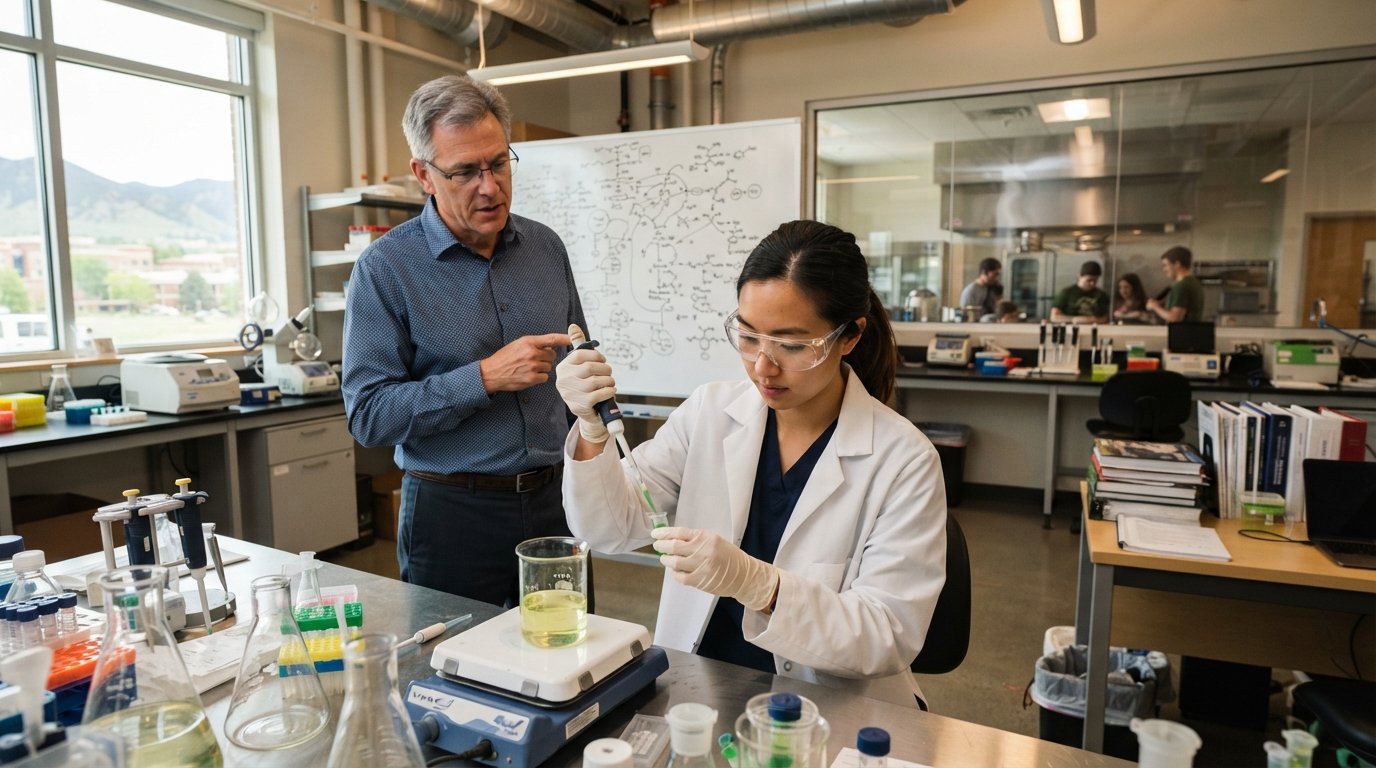
Graduate study in nutrition sciences extends far beyond the undergraduate curriculum. It involves advanced coursework in metabolic biochemistry, community nutrition interventions, and clinical practice management. The in-person format at Colorado State University-Fort Collins offers direct access to research laboratories, teaching kitchens, and clinical simulation spaces that are difficult to replicate online. You will work alongside faculty who are actively shaping national dietary guidelines and food policy, gaining mentorship that extends beyond the classroom.
The collaborative environment is another critical factor. In-person learning fosters spontaneous discussions with peers from dietetics, food science, and public health. These interactions often lead to research partnerships, publication opportunities, and professional connections that last decades. For those considering a PhD, being physically present in a research-intensive department allows you to rotate through labs, attend seminars, and receive immediate feedback on your experimental designs.
Master's Degree Options: MS in Nutrition Sciences
Colorado State University offers a Master of Science in Nutrition Sciences through the Department of Food Science and Human Nutrition. This program is designed for students who want to deepen their understanding of the biochemical and physiological basis of nutrition. It provides a strong foundation for careers in research, community nutrition, or corporate wellness, and it also serves as a stepping stone for doctoral study or medical school.
Core coursework typically includes advanced macronutrient metabolism, micronutrient function, and research methods. You will also select electives that align with your interests, such as pediatric nutrition, sports nutrition, or global food security. The curriculum emphasizes evidence-based practice, so you will learn to critically evaluate scientific literature and translate findings into practical recommendations.
One of the program's highlights is the thesis option. Working closely with a faculty advisor, you will design and execute an original research project. This hands-on experience is invaluable for building your analytical and writing skills. Recent student projects have explored topics like the impact of dietary patterns on gut microbiota, the effectiveness of nutrition education interventions in low-income communities, and the role of specific nutrients in chronic disease prevention.
Accelerated and Combined Degree Pathways
For high-achieving undergraduates, Colorado State University offers an accelerated bachelor's-to-master's pathway. This option allows you to begin graduate coursework during your senior year, reducing the total time required to earn both degrees. You can also pursue a combined MS/PhD track if you are certain about a career in research. These pathways are ideal for students who want to maintain momentum and reduce the overall cost of their education.
If you are more interested in applied practice, the MS program can be paired with a dietetic internship. This route leads to eligibility for the Registered Dietitian Nutritionist (RDN) exam. The internship placements at CSU are competitive and include rotations in hospitals, community health agencies, and food service management. Completing both the MS and the internship on campus ensures a seamless transition from academic theory to clinical application.
Doctoral Program: PhD in Nutrition Sciences
The PhD program in Nutrition Sciences at Colorado State University is a research-intensive degree that prepares graduates for careers in academic research, government agencies, and industry leadership. The program requires a minimum of 72 credits beyond the bachelor's degree, which includes core coursework, seminars, and dissertation research. Students typically complete the degree in four to five years.
Doctoral students choose a specialization area, such as nutritional biochemistry, molecular nutrition, or community nutrition. You will work closely with your advisor to develop a research agenda that contributes meaningful knowledge to the field. The department has strong research clusters in areas like obesity prevention, micronutrient bioavailability, and food systems sustainability. You will have access to state-of-the-art facilities, including mass spectrometry labs, metabolic feeding studies, and behavioral intervention suites.
Teaching experience is also a critical component of the PhD program. You will have opportunities to serve as a teaching assistant for undergraduate courses, which helps you develop communication and leadership skills. Many students also secure external fellowships, such as the USDA National Needs Fellowship or the American Heart Association Predoctoral Fellowship, which provide additional funding and prestige.
Funding and Assistantships
One of the most practical concerns for graduate students is funding. At Colorado State University, many MS and PhD students receive financial support through research assistantships, teaching assistantships, or fellowships. These positions typically cover tuition and provide a monthly stipend. Research assistantships are tied to funded projects, so your work directly contributes to your advisor's laboratory goals. Teaching assistantships involve supporting faculty in undergraduate courses.
The funding package varies by department and project, but it is important to discuss this with your prospective advisor during the application process. The university also has a limited number of diversity fellowships and need-based awards. To be considered for most funding, you should submit your application by the priority deadline, which is usually in December for the following fall.
Admission Requirements and Application Tips
Admission to the graduate programs in nutrition sciences is competitive. For the MS program, you generally need a bachelor's degree in nutrition, dietetics, biology, or a related field, with a minimum GPA of 3.0. You must submit transcripts, three letters of recommendation, a statement of purpose, and GRE scores (though the requirement may be waived for the 2026 cycle). For the PhD program, a master's degree is not always required, but a strong research background is essential.
Your statement of purpose is your chance to articulate your research interests and career goals. Be specific about why you want to study at Colorado State University, and mention faculty members whose work aligns with yours. Before you apply, reach out to potential advisors to introduce yourself and ask about openings in their labs. This proactive approach can significantly increase your chances of admission and funding.
Key Deadlines and Documents
To keep your application on track, follow these steps:
- Review the specific program requirements on the department website and note any prerequisite coursework.
- Prepare your transcripts and request letters of recommendation at least one month before the deadline.
- Draft and revise your statement of purpose, tailoring it to the program's strengths.
- Take the GRE if required, or check the program's current policy on test waivers.
- Submit your application through the Graduate School portal and confirm all materials are received.
After you submit, it is normal to wait six to eight weeks for a decision. The department may invite you for an interview (in person or via video). Use this opportunity to ask detailed questions about the curriculum, lab culture, and available resources. Remember, the program is also evaluating you, so be prepared to discuss your research experience and future aspirations.
Career Outcomes and Return on Investment
Graduates of the nutrition sciences graduate programs at Colorado State University are well positioned for a variety of high-impact roles. With an MS, you might work as a clinical dietitian, research coordinator, or public health nutritionist. The median salary for medical scientists with a master's degree is around $85,000, and for dietitians with advanced certification, the top earners can make over $100,000 annually. For those with a PhD, academic positions and leadership roles in industry can offer salaries well above $120,000.
The in-person experience also provides a strong professional network. Faculty members often have connections with local hospitals, food companies, and government agencies, which can lead to internships and job placements. The university's career services office offers resume workshops, career fairs, and alumni networking events. When you consider the average cost of in-state tuition and the potential for assistantships, the return on investment is compelling. In your first professional role after graduation, you are likely to recoup your educational expenses within a few years.
Balancing Work and Graduate Study
Many prospective students worry about balancing graduate school with existing work or family commitments. While in-person programs require a set schedule, Colorado State University offers some flexibility. Many courses are offered in the late afternoon or evening, and some electives are available in a hybrid format. The department also understands that some students have part-time jobs, and they offer occasional weekend workshops for professional development.
If you are planning to continue working while studying, it is advisable to limit your work hours to no more than 20 per week, especially during the first semester. Time management is key. Use your commute and breaks to review lecture notes, and form study groups with classmates to share the workload. The university also has a graduate student wellness center that provides counseling and stress management resources.
Next Steps for Prospective Students
If you are ready to take the next step in your nutrition career, the in-person graduate programs at Colorado State University offer a rigorous yet supportive environment. You will gain not only a degree but also a professional identity grounded in research and practice. Begin by exploring the department's faculty pages to identify potential mentors, then prepare your application materials well in advance. The deadline for fall 2026 admission is likely to be December 1, 2025, so start now to make a strong impression.
For more general guidance on selecting and financing advanced degrees, you can consult resources like CollegeDegrees.School, which offers comprehensive advice on higher education pathways. Additionally, if you are considering online options alongside your in-person search, our article on why choose online bachelor of science degree programs provides useful comparisons that might inform your decision.
Ultimately, the choice to pursue Nutrition Sciences Beyond bachelor's degree In-person at Colorado State University-Fort Collins is a strategic investment in your future. With dedicated faculty, exceptional research facilities, and a vibrant college town setting, you will find the ideal environment to become a leader in the field of nutrition. Take the time to visit the campus if possible, attend a graduate seminar, and speak with current students. Your advanced education is a significant step, and this program can provide the foundation for a rewarding career dedicated to improving human health.