Earning an accounting degree online has become one of the most practical and flexible pathways for working professionals and adult learners who want to enter a stable, high-demand field. The days when accounting was only taught in brick-and-mortar classrooms are long gone. Today, dozens of accredited universities offer fully online accounting bachelor degree programs that meet the same rigorous academic standards as their on-campus counterparts. Whether you are changing careers, advancing in your current job, or starting fresh after a break from school, understanding the specific requirements of these programs is essential to choosing the right path forward.
This article breaks down what you need to know about online accounting bachelor degree programs and requirements, from admission prerequisites to curriculum structure, accreditation, and costs. We also answer common questions and provide actionable steps to help you get started with confidence. By the end, you will have a clear roadmap for evaluating programs and making an informed decision about your education and future career.
Why Choose an Online Accounting Bachelor Degree?
Accounting consistently ranks among the most stable and rewarding career fields. The U.S. Bureau of Labor Statistics projects steady demand for accountants and auditors, with a growth rate of about 6 percent through 2031. An online accounting bachelor degree prepares you for roles such as staff accountant, auditor, tax specialist, or financial analyst. It also lays the foundation for earning professional certifications like the CPA (Certified Public Accountant) or CMA (Certified Management Accountant).
Flexibility is the primary reason students choose an accounting degree online. Many programs are designed with asynchronous classes, meaning you can watch lectures and complete assignments on your own schedule. This is especially valuable if you are balancing work, family, or other commitments. Additionally, online programs often cost less than traditional in-person degrees, especially when you factor in savings on commuting, housing, and campus fees. For adult learners and career changers, the ability to earn a respected degree without relocating or quitting a job is a game-changer.
Key Requirements for Online Accounting Bachelor Programs
While specific admission criteria vary by institution, most accredited online accounting bachelor degree programs share a common set of requirements. Understanding these upfront will help you prepare your application and avoid surprises.
General Admission Requirements
Most programs require a high school diploma or equivalent (GED). Some schools also ask for a minimum GPA, often around 2.5 or higher on a 4.0 scale. If you have previous college credits from another institution, you may be able to transfer them, which can shorten your time to completion. Many online programs accept transfer credits from regionally accredited community colleges or universities.
You will typically need to submit official transcripts, a completed application form, and sometimes a personal statement or essay. Some schools require letters of recommendation, though this is less common for bachelor’s-level admissions. Standardized test scores like the SAT or ACT are often waived for adult learners or those with prior college experience. Always check with the specific program to confirm their current policy.
Technology and Access Requirements
Because you are studying online, you need reliable access to a computer and a high-speed internet connection. Most programs specify minimum hardware and software requirements, such as a recent operating system, a webcam for proctored exams, and access to Microsoft Office or similar spreadsheet software. Some schools provide students with free or discounted software licenses. Make sure your technology meets these standards before enrolling to avoid disruptions.
Core Curriculum and Coursework
An accounting degree online covers the same foundational topics as a traditional program. The curriculum is designed to build both technical accounting skills and broader business knowledge. You can expect to take courses in the following areas:
- Financial Accounting: Learn how to prepare and analyze financial statements, including balance sheets, income statements, and cash flow statements.
- Managerial Accounting: Focus on using accounting data for internal decision-making, budgeting, and performance evaluation.
- Taxation: Understand federal and state tax laws, individual and corporate tax preparation, and tax planning strategies.
- Auditing: Study the principles of internal and external auditing, including risk assessment, evidence gathering, and reporting standards.
- Accounting Information Systems: Explore how technology supports accounting functions, including software used for bookkeeping, reporting, and data analysis.
Beyond these core courses, you will also take general education classes in subjects like English, math, economics, and business law. Many programs offer elective concentrations in areas such as forensic accounting, government accounting, or financial analysis. These specializations allow you to tailor your degree to your career goals. For example, if you are interested in investigating financial fraud, a concentration in forensic accounting would be a strong choice.
Most online accounting bachelor degree programs require 120 credit hours and can be completed in four years of full-time study. However, many students choose part-time enrollment, which extends the timeline but offers greater flexibility. Accelerated options are also available at some universities, allowing you to finish in as few as two to three years if you transfer credits or take heavier course loads.
Accreditation: Why It Matters for Accounting Degrees
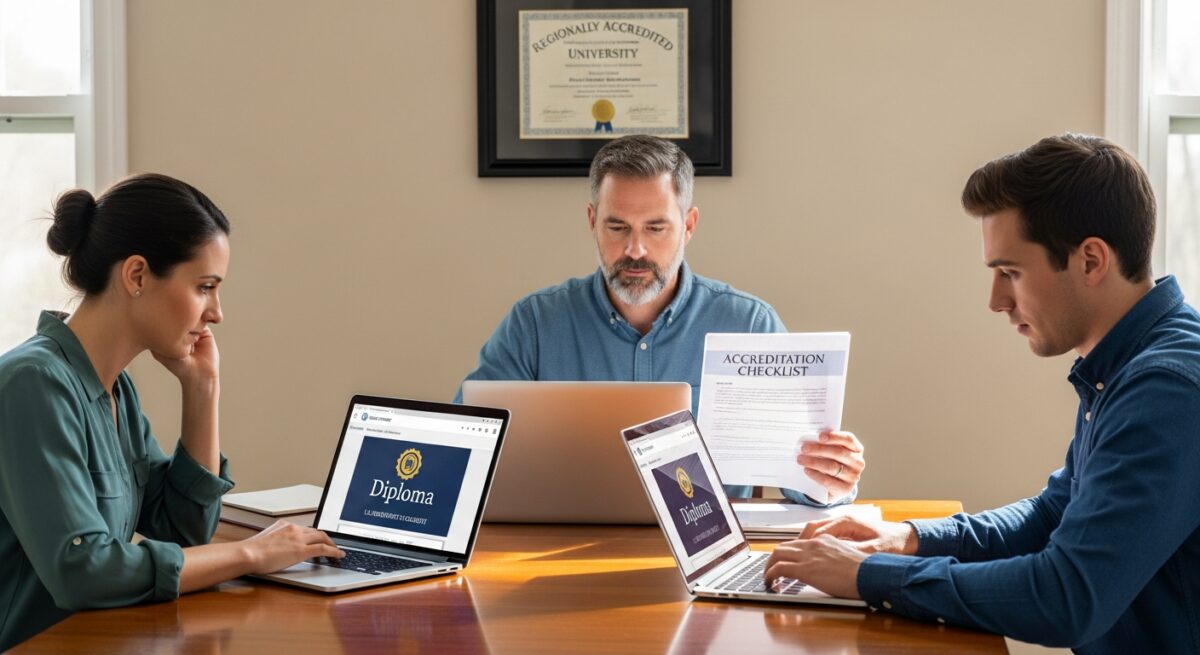
Accreditation is arguably the most critical factor when evaluating online accounting bachelor degree programs. Accreditation ensures that the program meets quality standards set by an independent agency. For accounting degrees, there are two main types of accreditation to look for.
First, the institution itself should be regionally accredited. Regional accreditation is the gold standard in American higher education and is required for federal financial aid eligibility. Second, the accounting program may hold specialized accreditation from the Association to Advance Collegiate Schools of Business (AACSB) or the Accreditation Council for Business Schools and Programs (ACBSP). AACSB accreditation is particularly prestigious and is often required for CPA licensure in many states.
If you plan to become a CPA, you must verify that the program meets your state’s specific educational requirements. Most states require 150 semester hours of college education, which is 30 hours beyond a typical bachelor’s degree. Some online programs offer combined bachelor’s and master’s degrees to help you meet this threshold efficiently. Before enrolling, check with your state board of accountancy to ensure the program you choose will satisfy licensure requirements.
For more detailed guidance on choosing an accredited online program, you can explore resources like CollegeDegree.Education, which provides comprehensive information on degree options and accreditation standards.
Cost and Financial Aid for Online Accounting Degrees
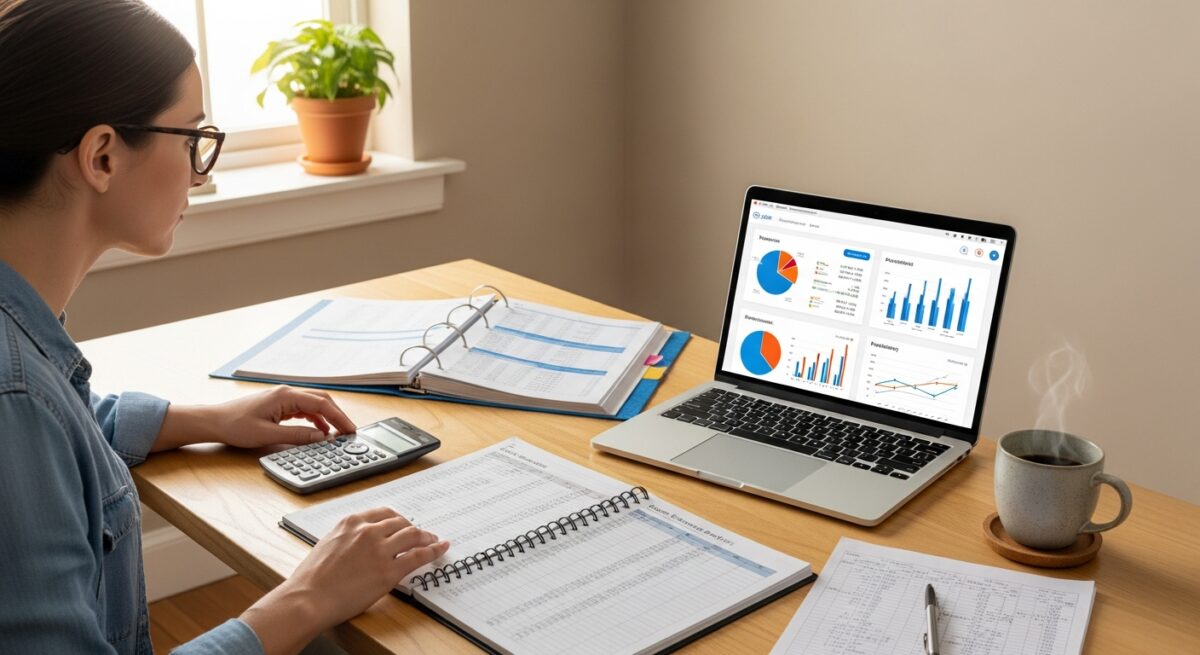
The cost of an online accounting bachelor degree varies widely depending on the institution, residency status, and whether you attend a public or private university. On average, tuition for online programs ranges from $300 to $600 per credit hour for in-state students at public universities. Private universities and out-of-state programs may charge $600 to $1,000 or more per credit hour. Total program costs can range from $36,000 to $72,000 or higher.
Financial aid is available for eligible students. Start by completing the Free Application for Federal Student Aid (FAFSA) to determine your eligibility for federal grants, loans, and work-study programs. Many online students also qualify for scholarships offered by the university or external organizations. Employer tuition reimbursement is another option worth exploring if you are currently employed. Some companies offer partial or full reimbursement for job-related degrees. Additionally, military veterans and active-duty service members may be eligible for education benefits through the GI Bill.
When comparing costs, be sure to factor in fees for technology, proctored exams, and textbooks. Some programs include these in the tuition, while others charge separately. Request a full cost breakdown from each school before making your decision.
Frequently Asked Questions
Can I become a CPA with an online accounting bachelor degree?
Yes, you can become a CPA with an online degree, provided the program is regionally accredited and meets your state’s educational requirements. Many online programs are designed to align with CPA licensure. However, you must also complete 150 credit hours (a bachelor’s plus additional coursework or a master’s) and pass the CPA exam.
How long does it take to complete an accounting degree online?
A standard online accounting bachelor degree takes about four years of full-time study. Accelerated programs can be completed in two to three years if you transfer credits or enroll in year-round courses. Part-time students may take five to six years or longer.
Are online accounting degrees respected by employers?
Yes, employers respect online degrees from regionally accredited, reputable institutions. The degree itself does not indicate whether it was earned online or on campus. What matters most is the accreditation, the quality of the curriculum, and the skills you gain.
What are the technical requirements for online accounting classes?
You need a reliable computer with a recent operating system, a webcam, a microphone, and high-speed internet access. Some programs require specific software, such as Microsoft Excel or accounting simulation tools. Check the program’s technology requirements before enrolling.
Can I transfer credits from a community college to an online accounting program?
Many online accounting bachelor degree programs accept transfer credits from regionally accredited community colleges. You will need to submit official transcripts and may need to earn a minimum grade (often a C or higher) for the credits to transfer. Some schools also accept credits from prior military training or professional certifications.
Final Thoughts on Pursuing Your Accounting Degree Online
Choosing an online accounting bachelor degree program is a significant decision that can open doors to a stable and rewarding career. The flexibility of online learning makes it an ideal option for adult learners, career changers, and working professionals who need to balance education with other responsibilities. By focusing on accreditation, understanding the specific requirements of your target state for CPA licensure, and comparing costs and financial aid options, you can find a program that fits your life and your goals. Start by researching several accredited programs, reaching out to admissions advisors, and preparing your application materials. With careful planning and commitment, you can earn your accounting degree online and take the next step toward a successful future in the field.