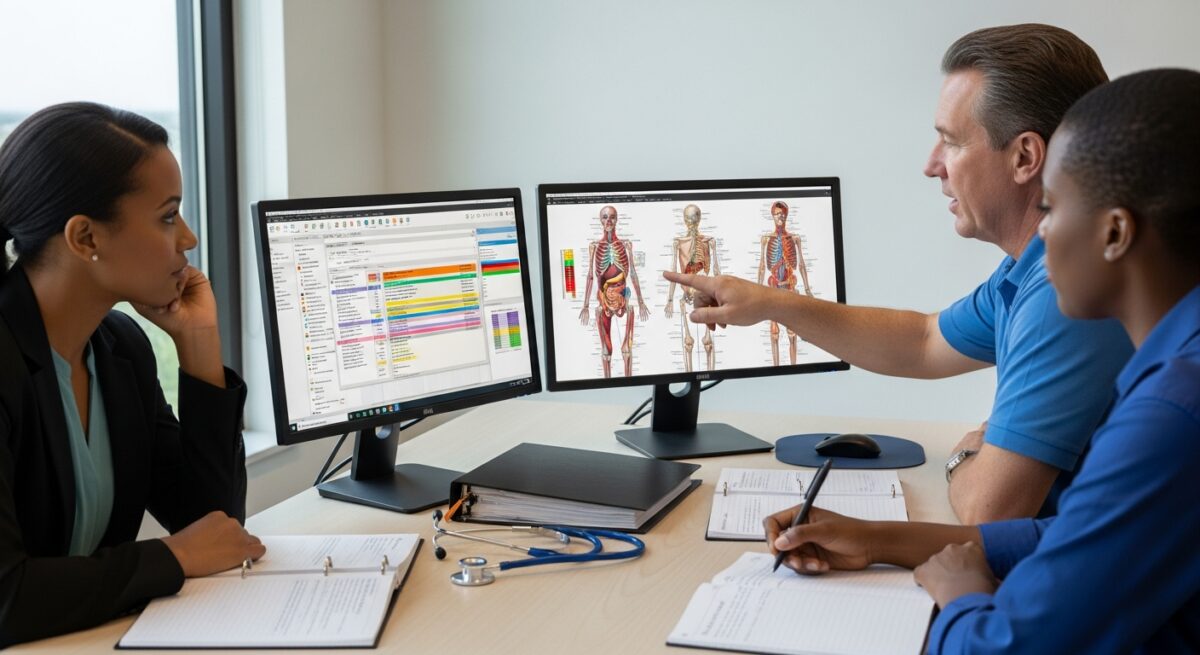
The healthcare industry depends on accurate documentation and efficient reimbursement cycles. Medical billers and coders are the professionals who ensure that patient records translate into proper insurance claims and payments. For those seeking a stable career with flexible work options, understanding the path to certification is essential. This Online Billing and Coding Programs Certification Guide explains how to choose a program, what to expect from coursework, and how to earn credentials that employers respect.
Why Certification Matters in Medical Billing and Coding
Certification is more than a line on a resume. It signals to employers that you have mastered the complex coding systems, such as ICD-10-CM, CPT, and HCPCS Level II. Without certification, many healthcare facilities will not consider applicants for billing or coding roles. Certified professionals also earn higher salaries and have greater job security. According to industry surveys, certified medical coders earn 20 to 30 percent more than their non-certified peers. The certification process validates your skills in medical terminology, anatomy, reimbursement methodologies, and compliance with regulations like HIPAA.
The Main Certification Bodies
Several organizations offer nationally recognized credentials. The American Academy of Professional Coders (AAPC) awards the Certified Professional Coder (CPC) credential, which is widely accepted by physician offices and outpatient facilities. The American Health Information Management Association (AHIMA) offers the Certified Coding Associate (CCA) and Certified Coding Specialist (CCS) credentials. The CCS is often preferred by hospitals because it covers both inpatient and outpatient coding. Each credential has different prerequisites and exam formats, so it is important to research which one aligns with your career goals.
Choosing an Online Billing and Coding Program
Online programs provide the flexibility that working adults and career changers need. However, not all programs are equal. When evaluating options, look for a curriculum that covers medical terminology, anatomy and physiology, health insurance and reimbursement, and the official coding guidelines. The best programs also include practice with actual coding scenarios and software similar to what you will use on the job.
Accreditation is a critical factor. Programs accredited by the Commission on Accreditation for Health Informatics and Information Management Education (CAHIIM) or approved by the AAPC meet industry standards. Graduates from accredited programs are often better prepared for certification exams. Additionally, many employers prefer candidates who completed an accredited program. As you research medical coding courses online, verify that the institution is regionally accredited and that the program specifically prepares you for a recognized certification exam.
Program Length and Cost
Most online billing and coding programs take between 4 and 12 months to complete. Certificate programs are typically shorter than associate degrees. Certificate programs focus narrowly on coding and billing skills, while associate degrees include general education courses. Costs vary widely, from under $1,000 for a self-paced certificate to over $10,000 for an associate degree. Some programs offer payment plans or financial aid. You should also factor in the cost of the certification exam, which ranges from $300 to $500 depending on the credential.
What You Will Learn in an Online Program
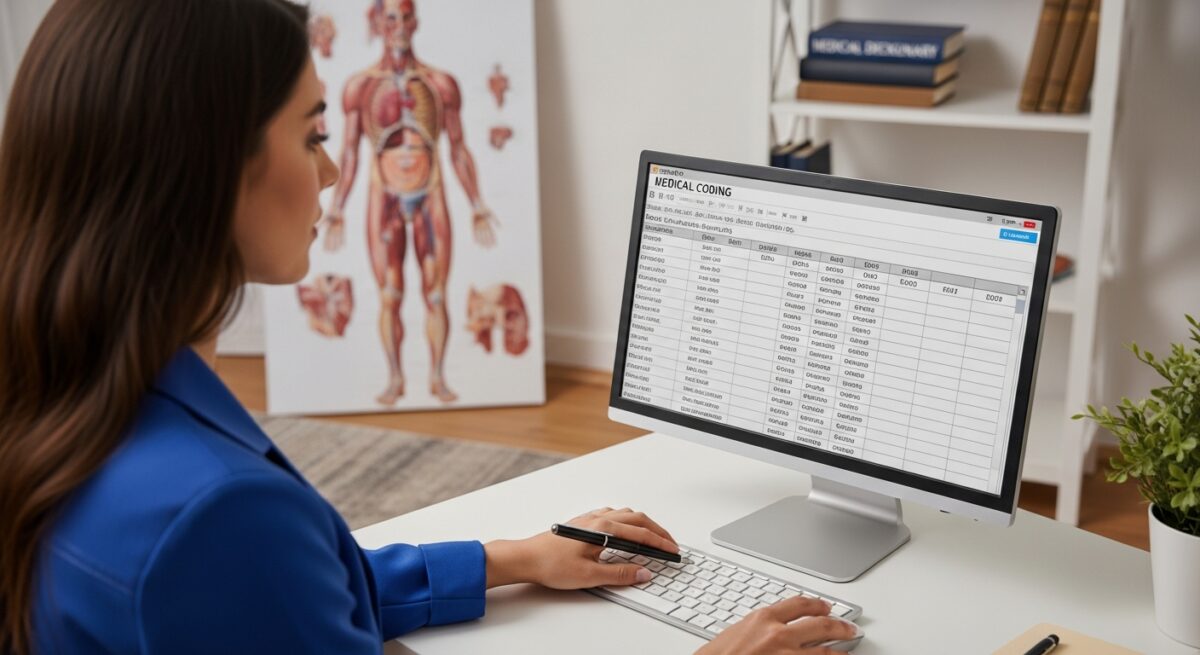
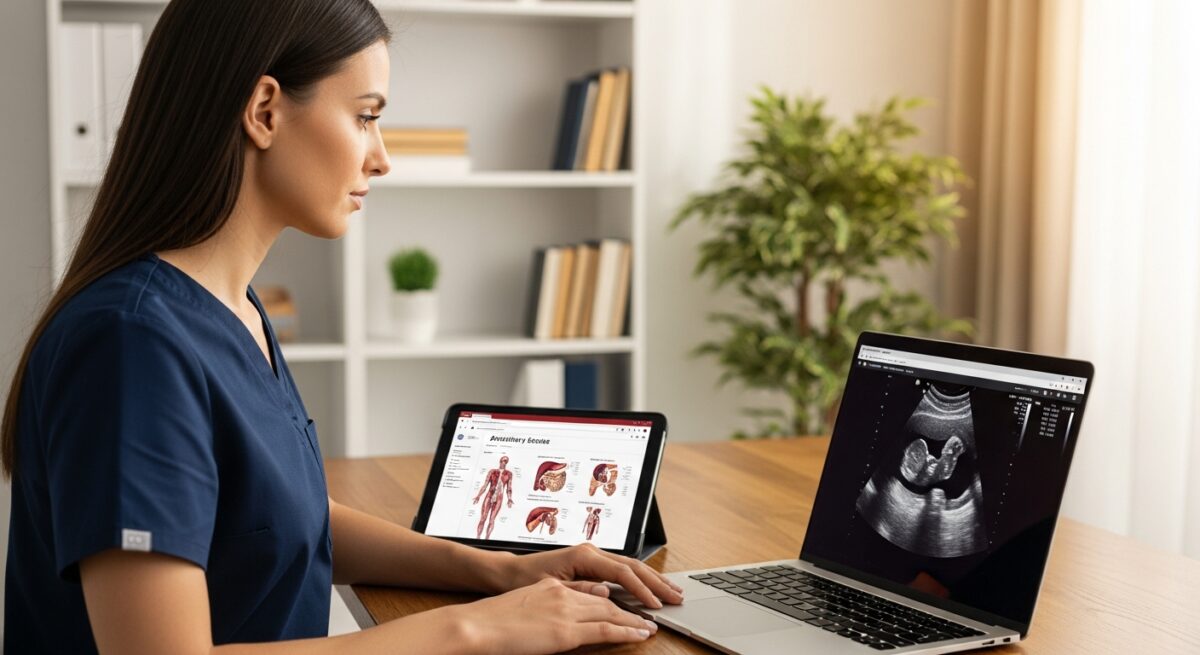
A comprehensive online program builds knowledge in several key areas. You will start with medical terminology and anatomy to understand the language of healthcare. Then you move into the coding systems themselves. ICD-10-CM is used for diagnosis coding, CPT for procedures, and HCPCS Level II for supplies and services. You will also learn about the revenue cycle, from patient registration to claim submission and payment posting.
Many programs include a course on reimbursement methodologies, such as Medicare and Medicaid rules, managed care contracts, and private insurance policies. Compliance and ethics are another crucial topic. You must understand how to avoid fraud and abuse, how to handle audits, and how to maintain patient privacy. The best programs simulate real-world workflows, allowing you to practice abstracting information from medical records and assigning the correct codes.
Hands-On Practice and Externships
Some online programs offer a practicum or externship component. This is a valuable opportunity to apply your skills in a real healthcare setting under supervision. Even if the program does not include an externship, you can gain experience through online coding labs and case studies. Many students also join professional organizations like the AAPC or AHIMA to access coding workshops and networking events. These experiences build confidence and make your resume stand out.
Steps to Earning Your Certification
The path from enrollment to certification follows a clear sequence. Here are the typical steps:
- Complete an accredited online billing and coding program or an equivalent course of study.
- Gather documentation of your education and any required work experience. Some credentials require one to two years of coding experience before you can take the exam, though many programs include enough practical training to meet this requirement.
- Register for the certification exam through the AAPC, AHIMA, or another recognized body. Pay the exam fee and schedule your test date.
- Prepare for the exam using study guides, practice tests, and review courses. Many online programs include exam prep as part of the curriculum.
- Take the exam at a testing center or online proctored session. Most exams are multiple choice and timed.
- After passing, maintain your credential through continuing education units (CEUs). Most certifications require 10 to 20 CEUs every two years.
Following these steps systematically increases your chances of passing on the first attempt. Many employers cover the cost of the exam and continuing education as a benefit.
Career Opportunities After Certification
Certified medical billers and coders work in a variety of settings. Hospitals, physician practices, nursing homes, home health agencies, and insurance companies all need skilled coders. Remote work is common, especially for experienced coders. The U.S. Bureau of Labor Statistics projects a 9 percent growth rate for medical records and health information specialists from 2023 to 2033, much faster than the average for all occupations. This growth is driven by an aging population and the increasing use of electronic health records.
Specialization can further enhance your career. Some coders focus on outpatient coding, others on inpatient coding, and still others on risk adjustment coding for Medicare Advantage plans. Each specialization has its own certification, such as the Certified Outpatient Coding (COC) or Certified Inpatient Coding (CIC). Specializing often leads to higher pay and more job offers. For those considering a broader educational path, exploring online degree programs in health information management can open doors to supervisory and management roles.
Online Billing and Coding Programs vs. Self-Study
Some individuals attempt to learn billing and coding through self-study using textbooks and online resources. While this approach is less expensive, it has significant drawbacks. You miss the structured curriculum, instructor guidance, and peer interaction that a formal program provides. Most importantly, many certification bodies require completion of an accredited program or a certain amount of college coursework to qualify for the exam. Self-study rarely satisfies these prerequisites.
Online billing and coding programs also offer built-in exam preparation. Instructors are often certified coders themselves who can share tips and real-world insights. The structured timeline keeps you accountable, which is especially important if you are balancing work and family responsibilities. In our guide on top online medical billing and coding courses for career changers, we explain how to select a program that fits your schedule and budget.
Frequently Asked Questions
How long does it take to complete an online billing and coding program?
Certificate programs typically take 4 to 9 months of full-time study. Associate degree programs take about 2 years. Part-time options extend the timeline but offer more flexibility.
Can I work from home as a medical coder?
Yes. Many medical coders work remotely, especially after gaining one to two years of experience. Some employers offer remote positions immediately for certified coders.
What is the difference between medical billing and medical coding?
Coding involves translating patient diagnoses and procedures into standardized codes. Billing uses those codes to create and submit insurance claims. Many professionals handle both tasks, especially in smaller practices.
Do I need a degree to get certified?
No. You can earn a certificate and then take a certification exam. However, an associate degree may qualify you for higher-level positions and is required for some advanced credentials.
How much does certification cost?
Exam fees range from $300 to $500. Study materials and review courses add $100 to $500. Some employers reimburse these costs after you pass.
Is financial aid available for online programs?
Yes. Many accredited online programs qualify for federal financial aid, including Pell Grants and student loans. You can also explore scholarships from professional organizations and employers.
Choosing the right educational path is the first step toward a rewarding career. This Online Billing and Coding Programs Certification Guide has outlined the key considerations: selecting an accredited program, understanding the curriculum, preparing for certification, and exploring career options. The healthcare industry values accuracy and compliance, and certified professionals are in high demand. By investing in a quality online program and earning a recognized credential, you position yourself for long-term success in a field that offers stability, growth, and the flexibility to work from almost anywhere. Learn more