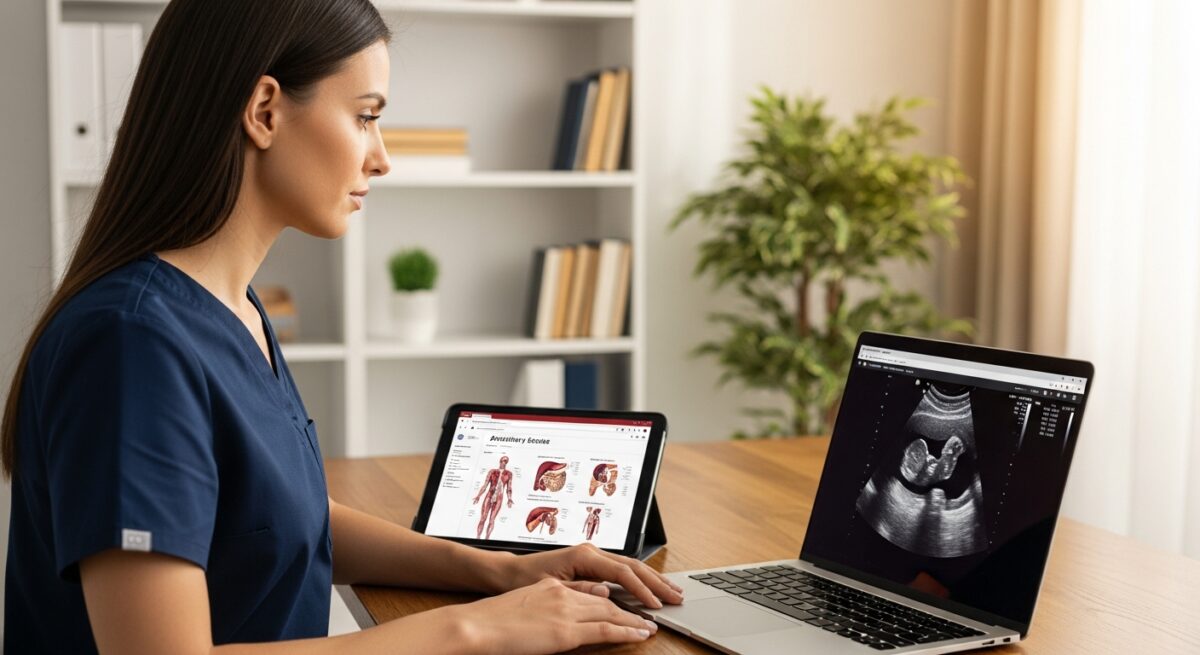
The healthcare industry is one of the fastest-growing sectors in the United States, offering a wide range of career opportunities for those who want to make a difference. For many adult learners, career changers, and working professionals, the barrier to entry has traditionally been the time and cost associated with on-campus training. However, the rise of online education has changed this landscape dramatically. Today, you can earn a respected credential from your home computer, often in less than a year. This Online Healthcare Certificate Programs Guide will walk you through the best options, the accreditation you need, and how to choose a program that fits your life and career goals.
The demand for skilled healthcare workers continues to surge, driven by an aging population and advances in medical technology. Whether you are looking to become a medical billing specialist, a pharmacy technician, or a health information manager, online certificates provide a direct pathway. These programs are designed for flexibility, allowing you to study after work or during weekends. They also tend to be more affordable than full degree programs, making them an excellent first step into the medical field. In this guide, we will explore the different types of healthcare certifications available online, the key factors to consider before enrolling, and how to ensure your credential is recognized by employers.
Why Choose an Online Healthcare Certificate?
Online healthcare certificates are not just a trend; they are a practical solution for modern education. One of the primary reasons students choose this route is the flexibility it offers. Traditional classroom settings require you to be in a specific place at a specific time, which can be impossible for those with full-time jobs or family responsibilities. Online programs allow you to access lectures, complete assignments, and take exams on your own schedule. This self-paced learning model is ideal for motivated individuals who need to balance multiple priorities.
Another significant advantage is cost. Community colleges and vocational schools often offer online certificates at a fraction of the cost of a four-year degree. Many programs also have open enrollment policies, meaning you can start classes several times a year rather than waiting for a fall semester. For example, a medical coding certificate can often be completed in six to nine months and cost between $1,000 and $3,000. Compare that to the tens of thousands of dollars for a nursing degree, and the value becomes clear. Additionally, many employers in healthcare value these certificates because they demonstrate a focused, job-ready skill set.
Finally, the job placement outlook for certificate holders is strong. Hospitals, clinics, and insurance companies are constantly seeking trained professionals for administrative and support roles. By earning a certificate online, you are signaling to employers that you have the discipline to learn independently and the specific knowledge required for the role. This can lead to faster hiring and sometimes even higher starting pay than candidates without formal training.
Types of Online Healthcare Certificate Programs
When exploring healthcare certifications online, you will find a diverse range of specializations. The best choice for you depends on your interests, whether you prefer direct patient care or behind-the-scenes administrative work. Below is a breakdown of some of the most popular and in-demand fields.
Medical Billing and Coding
Medical billing and coding is one of the most popular online certificate paths. Professionals in this field translate medical procedures and diagnoses into standardized codes for insurance billing and patient records. This role is critical for the revenue cycle of any healthcare facility. Online programs for this certificate typically cover medical terminology, anatomy, and coding systems like ICD-10 and CPT. Most programs can be completed in under a year, and graduates often work remotely, which adds another layer of flexibility. Certification from organizations like AAPC or AHIMA is highly recommended after completing your program.
Pharmacy Technician
Pharmacy technicians assist licensed pharmacists in dispensing medications and managing inventory. The demand for pharmacy techs is growing, particularly in retail chains and hospitals. Many accredited online programs offer the didactic portion of the training, followed by a required externship at a local pharmacy. This blended model ensures you get both the theoretical knowledge and the hands-on experience needed to pass the Pharmacy Technician Certification Board (PTCB) exam. The coursework often includes pharmacology, dosage calculations, and pharmacy law.
Health Information Management
Health Information Management (HIM) focuses on the secure handling of patient data. As electronic health records become the standard, HIM professionals are needed to ensure accuracy, privacy, and compliance with laws like HIPAA. An online certificate in HIM can lead to roles such as medical records technician or health information clerk. These programs emphasize data analysis, medical ethics, and database management. This is an excellent option for those who enjoy working with technology and data but still want to be part of the healthcare ecosystem.
Patient Care Technician
For those who want direct patient interaction, a Patient Care Technician (PCT) certificate is a strong choice. PCTs perform basic medical tasks like taking vital signs, drawing blood, and assisting with daily activities. While some hands-on clinical training is usually required, many schools offer the theoretical portion online. This role is a stepping stone to more advanced nursing positions. Programs often include CPR certification and training in EKG and phlebotomy.
The table below summarizes key aspects of these four popular certificate paths:
| Certificate Field | Typical Duration | Primary Skills | Work Setting |
|---|---|---|---|
| Medical Billing & Coding | 6-12 months | ICD-10, CPT, Insurance Claims | Remote or Office |
| Pharmacy Technician | 8-15 months | Pharmacology, Math, Inventory | Retail or Hospital |
| Health Information Management | 6-12 months | Data Security, EHR Systems | Hospital or Clinic |
| Patient Care Technician | 4-8 months | Phlebotomy, Vital Signs, EKG | Hospital or Nursing Home |
How to Choose the Right Program
Selecting the right program from the many online healthcare certificate programs available requires careful research. The most important factor is accreditation. A program must be accredited by a recognized agency to ensure that your certificate is respected by employers and that you are eligible for certification exams. Look for accreditation from bodies like the Commission on Accreditation of Allied Health Education Programs (CAAHEP) or the Accrediting Bureau of Health Education Schools (ABHES). Without proper accreditation, your time and money may be wasted.
You should also consider the program’s structure. Does it offer synchronous (live) classes or asynchronous (recorded) lessons? Some students thrive with a set schedule, while others prefer to learn at their own pace. Additionally, check what support services are available. Good online programs offer career counseling, tutoring, and job placement assistance. Finally, read reviews from former students and check the program’s graduation and job placement rates. A high placement rate is a strong indicator of quality.

When evaluating costs, do not just look at tuition. Factor in fees for textbooks, software, and certification exams. Some programs offer payment plans or financial aid. You can also explore scholarship opportunities to help reduce out-of-pocket expenses. Many students are surprised to find that scholarships are available for certificate programs, not just degree programs. Taking the time to research these options can make a significant difference in your overall investment.
Accreditation and Employer Recognition
Accreditation is the cornerstone of a valuable certificate. Without it, employers may not recognize your training, and you may be ineligible for professional certification exams. When reviewing a school’s website, look for a clear statement about their accreditation status. If you cannot find it, that is a red flag. You can verify accreditation through the U.S. Department of Education’s database. For allied health fields, CAAHEP is the gold standard. For example, if you pursue a medical assisting certificate, a CAAHEP-accredited program is often required to sit for the Certified Medical Assistant (CMA) exam.
Employers in healthcare are very familiar with these accrediting bodies. They use accreditation as a shortcut to assess the quality of your training. A certificate from an unaccredited school may be seen as less rigorous, which can hurt your job prospects. Furthermore, some states have specific licensing requirements that mandate graduation from an accredited program. Always check with your state’s health board before enrolling. This step ensures that your hard work leads to a valid credential that opens doors rather than closing them.
Frequently Asked Questions
How long does it take to complete an online healthcare certificate?
Most online healthcare certificate programs take between 4 and 15 months to complete. The duration depends on the specialization and whether you study full-time or part-time. Medical billing and coding programs often take about 9 months, while a patient care technician program might be completed in 4 to 6 months.
Can I get a job with just an online certificate?
Yes, many entry-level healthcare positions are accessible with a certificate. Roles like medical records clerk, pharmacy technician, and phlebotomist often require only a certificate and a professional certification. Many employers prefer candidates who have completed an accredited program because it reduces on-the-job training time.
Are online healthcare certificates respected by hospitals?
Yes, as long as the program is accredited by a recognized body. Hospitals and clinics routinely hire graduates from online programs, especially for administrative and support roles. The key is to ensure the program includes a clinical externship if required for your field, as hands-on experience is highly valued.
Do I need a high school diploma to enroll?
Most accredited online healthcare certificate programs require a high school diploma or GED. Some programs also require a background check and drug screening, particularly those that involve clinical placements. It is important to check the specific prerequisites before applying.
Making the Most of Your Online Learning Experience
Once you enroll in a program, success depends on your study habits and time management. Create a dedicated study space free from distractions. Set a regular schedule, even if it is just one hour each evening. Participate actively in discussion boards and reach out to instructors when you have questions. Many programs also offer virtual study groups, which can be a great way to stay motivated. Remember that online learning requires self-discipline, but the flexibility it offers is a major benefit for busy adults.
Networking is also important in the healthcare field. Use your program’s alumni network or professional social media groups to connect with others in your field. Attend virtual career fairs hosted by your school. Many employers recruit directly from certificate programs, so take advantage of any job placement services offered. As you near completion of your certificate, start preparing for the relevant certification exam. Passing this exam is often the final step to becoming fully qualified for your new career.
For those considering a broader educational path, the skills gained from a certificate can often be applied toward a degree. For instance, a medical billing and coding certificate can count as credits toward an associate degree in health information technology. This makes a certificate a smart first step for those who may want to advance their education later. If you are also interested in design-oriented fields, you might find our guide on the best interior design certificate programs online options helpful for comparison, though the focus here remains on healthcare.
The healthcare industry offers stable, rewarding careers, and an online certificate is one of the fastest ways to enter it. By choosing an accredited program that fits your schedule and budget, you can gain the skills needed to start working in a field that truly helps others. The investment in your education today can lead to a lifetime of professional growth and personal satisfaction.