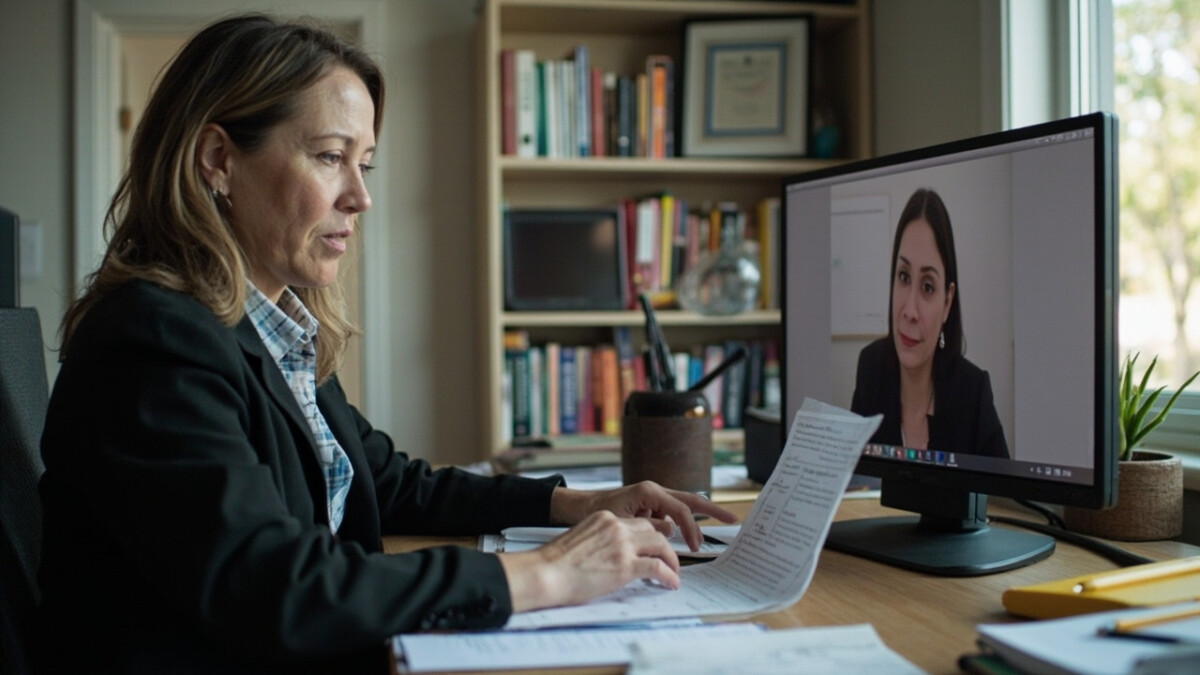
Earning a doctorate in education opens doors to senior leadership roles, university faculty positions, and specialized consulting opportunities. For working professionals balancing careers and family commitments, the traditional on-campus route often feels impossible. This is where online PhD programs in education offer a flexible, rigorous alternative. These programs are designed for educators, administrators, and policy leaders who want to advance without putting their lives on hold. In this guide, we explore how to evaluate online education doctorate options, what to expect from the curriculum, and how to choose a program that aligns with your professional goals.
Why Pursue an Online Doctorate in Education?
An online PhD in education provides the same academic rigor as a campus-based program but with the flexibility to study from anywhere. This format is particularly valuable for mid-career professionals who cannot relocate or take a sabbatical. The degree prepares you for roles such as superintendent, chief academic officer, curriculum director, or university professor. Many programs also emphasize applied research, allowing you to address real-world challenges in your current workplace while earning your degree.
For example, a school principal might research student engagement strategies within their own district, turning their dissertation into a practical improvement plan. This integration of theory and practice is a hallmark of quality online PhD programs in education. Additionally, the online format often reduces costs related to commuting, housing, and campus fees, though tuition varies widely by institution.
Key Features of High-Quality Online Education Doctorates
Not all online doctorates are created equal. When evaluating programs, look for these critical elements to ensure you receive a valuable education.
Accreditation and Institutional Reputation
Accreditation is the single most important factor. Regional accreditation from recognized bodies such as the Higher Learning Commission or the Southern Association of Colleges and Schools is essential. For education-specific programs, accreditation from the Council for the Accreditation of Educator Preparation (CAEP) adds credibility. Without proper accreditation, your degree may not be recognized by employers or licensing boards. Always verify accreditation status on the institution’s website and through the U.S. Department of Education’s database.
In our Best Online Education Degrees guide, we outline how to assess program rankings and faculty qualifications. Reputable programs employ faculty who hold terminal degrees and have active research agendas. Look for faculty who publish in peer-reviewed journals and present at national conferences, as this indicates a strong academic environment.
Program Format and Delivery Methods
Online PhD programs in education typically use one of three formats: synchronous (live classes), asynchronous (self-paced with deadlines), or a hybrid model. Synchronous programs require you to log in at specific times for lectures and discussions, which can be challenging across time zones. Asynchronous formats offer greater flexibility, allowing you to watch recorded lectures and participate in discussion boards on your own schedule. Many programs also include intensive on-campus residencies, often lasting one to two weeks per year. These residencies provide face-to-face networking with peers and faculty, which can be valuable for dissertation support and professional connections.
Consider your learning style and schedule. If you thrive on real-time interaction, choose a synchronous program. If you need maximum flexibility, an asynchronous program with optional virtual office hours may be better. Some programs also offer accelerated paths, allowing you to complete coursework in three years instead of four or five, though this requires a significant time commitment.
Dissertation and Research Support
The dissertation is the capstone of any doctorate. In online programs, you need strong support structures. Look for programs that assign a dedicated dissertation chair early in the process, offer virtual writing workshops, and provide access to online library databases and statistical software. Some programs use a cohort model, where you progress through the dissertation stages with a group of peers, providing mutual accountability and feedback. Others allow you to work independently with a chair. Both models can be effective, but the cohort approach often leads to higher completion rates.
Additionally, some online education doctorates now offer a practice-based dissertation, sometimes called a capstone project or applied research project, instead of a traditional five-chapter dissertation. This option is ideal if you plan to remain in K-12 or higher education leadership rather than pursue a research-focused academic career. Make sure the program’s dissertation requirements align with your career goals.
How to Choose the Right Online PhD Program in Education
Selecting the right program requires careful self-assessment and research. Follow these steps to narrow your options.
- Define your career objective. Are you aiming for a superintendent role, a university tenure-track position, or a consulting career? Different programs specialize in different outcomes. For example, an Ed.D. (Doctor of Education) focuses on practical leadership, while a Ph.D. in Education emphasizes research and theory.
- Check accreditation and licensing requirements. If you need state certification for a specific role, verify that the program meets those requirements. Some states have additional endorsements for superintendent or curriculum director licenses.
- Review the curriculum and specializations. Look for concentrations such as educational leadership, curriculum and instruction, higher education administration, special education, or instructional design. Choose a specialization that matches your interests and market demand.
- Compare costs and financial aid. Tuition for online doctorates ranges from $15,000 to $60,000 per year. Factor in fees, technology costs, and residency travel. Many programs offer graduate assistantships, scholarships, or employer tuition reimbursement. Contact the financial aid office to understand your options.
- Read student reviews and graduation rates. Look for testimonials from current students or alumni on sites like GradReports or the program’s social media pages. High graduation rates and low attrition suggest strong student support.
By systematically evaluating these factors, you can identify a program that fits your budget, schedule, and professional aspirations. Remember that the cheapest option is not always the best value, especially if it lacks accreditation or strong faculty support.

Career Outcomes and Salary Expectations
Graduates of online PhD programs in education enter a diverse job market with strong demand for advanced credentials. According to the U.S. Bureau of Labor Statistics, postsecondary education administrators earn a median annual wage of over $99,000, with top earners exceeding $200,000. Instructional coordinators earn around $66,000, while elementary and secondary school principals earn a median of $101,000. University professors in education typically earn between $70,000 and $120,000, depending on rank and institution type.
These roles often require a doctorate for advancement. For instance, a school principal with a master’s degree may reach a salary ceiling, while a superintendent with a doctorate can command a significantly higher salary. Additionally, a doctorate qualifies you for roles in educational policy, non-profit leadership, and corporate training. The return on investment for an online education doctorate is substantial, particularly if you can continue working while earning the degree.
Many programs also offer career services, including resume workshops, interview coaching, and alumni networking events. Take advantage of these resources to maximize your job prospects after graduation. Some universities have dedicated career portals for doctoral alumni, which can lead to opportunities at partner school districts and educational organizations.
Frequently Asked Questions
How long does it take to complete an online PhD in Education?
Most programs require 60 to 90 credit hours beyond a master’s degree. Full-time students typically finish in 4 to 6 years, including dissertation time. Part-time students may take 6 to 8 years. Accelerated programs can be completed in 3 to 4 years but require intensive coursework and summer sessions.
Can I work full-time while pursuing an online doctorate?
Yes, many online PhD programs in education are designed for working professionals. However, you should expect to dedicate 15 to 25 hours per week to coursework, reading, and research. Time management is critical. Some students reduce their work hours during dissertation phases.
Are online doctorates respected by employers?
Yes, when earned from a regionally accredited institution, online doctorates are widely respected. Employers focus on accreditation, program reputation, and the quality of your research. Always verify that the program is accredited and recognized by professional organizations in education.
What is the difference between an Ed.D. and a Ph.D. in Education?
An Ed.D. (Doctor of Education) emphasizes practical application and leadership skills, often preparing graduates for administrative roles in schools, districts, or higher education. A Ph.D. in Education focuses on original research and theory, preparing graduates for academic careers in universities or research institutions. Both are terminal degrees, but the Ed.D. is often more applied.
How much does an online education doctorate cost?
Tuition varies widely. Public universities may charge $400 to $800 per credit hour for in-state students, while private institutions may charge $1,000 to $1,500 per credit hour. Total program costs range from $30,000 to $90,000. Some programs offer fixed tuition rates for online learners, which can help with budgeting. Always factor in fees, technology costs, and travel for residencies.
For additional details on funding your degree, explore resources at CollegeDegree.school, which provides guidance on scholarships and financial aid for graduate students.
Making Your Decision: Final Thoughts
Choosing an online PhD program in education is a significant investment of time, money, and energy. The right program will challenge you intellectually, support you through the dissertation process, and open doors to new career opportunities. Start by researching accredited programs that offer the specialization you need. Reach out to admissions advisors, attend virtual open houses, and connect with current students or alumni. Ask specific questions about faculty mentorship, dissertation completion rates, and job placement statistics. With careful planning and a clear sense of your goals, you can earn a doctorate that transforms your career and deepens your impact on education.