The demand for mental health services has never been higher, and psychiatric mental health nurse practitioners (PMHNPs) are stepping into this gap with advanced clinical training and compassionate care. For registered nurses seeking to expand their scope of practice, online PMHNP programs offer a flexible pathway to earn a graduate degree without putting their careers on hold. This article serves as a comprehensive psychiatric nursing guide, covering everything from program accreditation to clinical placement logistics, so you can make an informed decision about your future in advanced practice nursing.
Choosing the right educational path is critical. Online PMHNP programs combine rigorous academic coursework with hands-on clinical hours, preparing you to diagnose and treat mental health disorders across the lifespan. Whether you are a recent BSN graduate or an experienced RN looking for a career pivot, understanding the structure, cost, and outcomes of these programs will help you select a route that aligns with your professional goals. This guide also explores how psychiatric nurse practitioner online programs differ from traditional on-campus options and what you should look for in a quality curriculum.
Understanding the Role of a PMHNP
A psychiatric mental health nurse practitioner is an advanced practice registered nurse (APRN) who specializes in mental health care. PMHNPs assess, diagnose, and treat patients with psychiatric disorders such as depression, anxiety, bipolar disorder, schizophrenia, and substance use disorders. They can prescribe medications, provide psychotherapy, and manage treatment plans independently or in collaboration with physicians. This role is especially vital in underserved areas where psychiatrists are scarce.
The scope of practice varies by state. Some states grant full practice authority, allowing PMHNPs to work without physician oversight, while others require collaborative agreements. As you research np programs online, verify the licensure requirements in your state to ensure the program you choose aligns with local regulations. Many online programs include coursework on healthcare policy and advocacy to help you navigate these nuances.
PMHNPs often work in community mental health centers, private practices, hospitals, and telehealth platforms. The ability to deliver care remotely has expanded significantly, making psychiatric nurse practitioner online programs even more relevant. Graduates are prepared to address the growing mental health crisis with evidence-based interventions and cultural competence.
Key Features of Online PMHNP Programs
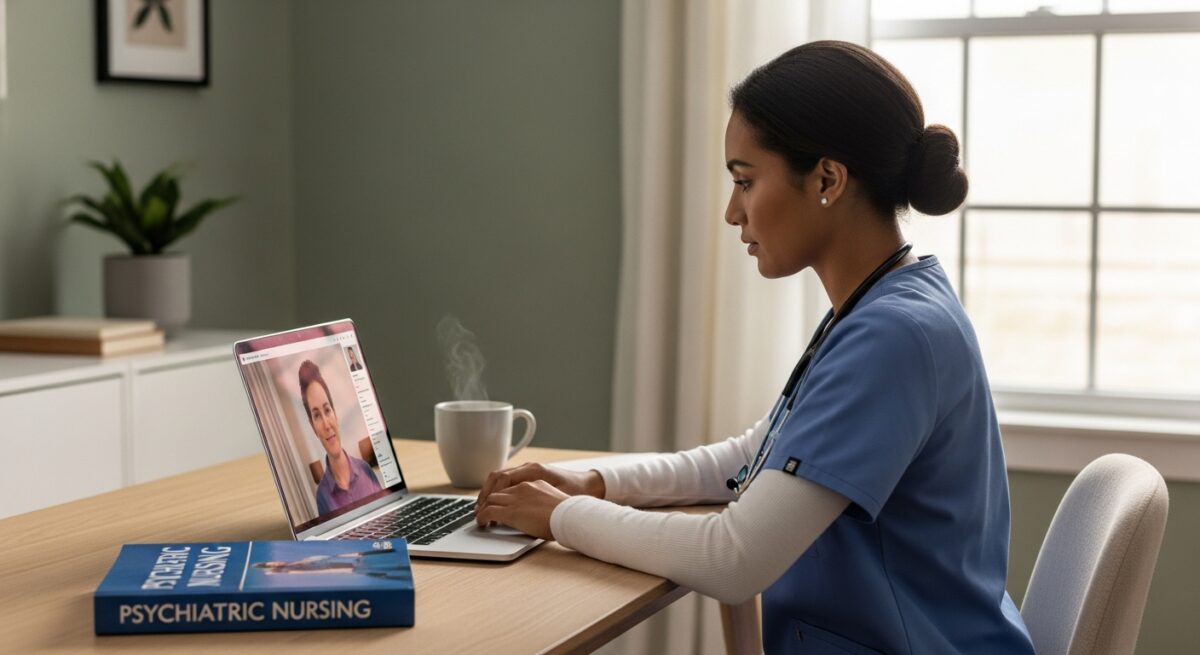
Online PMHNP programs are designed for working nurses who need flexibility. Most programs follow a hybrid model: didactic courses are delivered online, while clinical placements are arranged locally. This structure allows you to continue earning income while advancing your education. Below are the core components to expect.
Accreditation and Curriculum Quality
Accreditation is non-negotiable. Look for programs accredited by the Commission on Collegiate Nursing Education (CCNE) or the Accreditation Commission for Education in Nursing (ACEN). Accreditation ensures that the curriculum meets national standards and qualifies you for certification exams. A typical curriculum covers advanced pathophysiology, pharmacology, health assessment, psychotherapy modalities, and psychiatric diagnostics. Many programs also include a capstone project or evidence-based practice research.
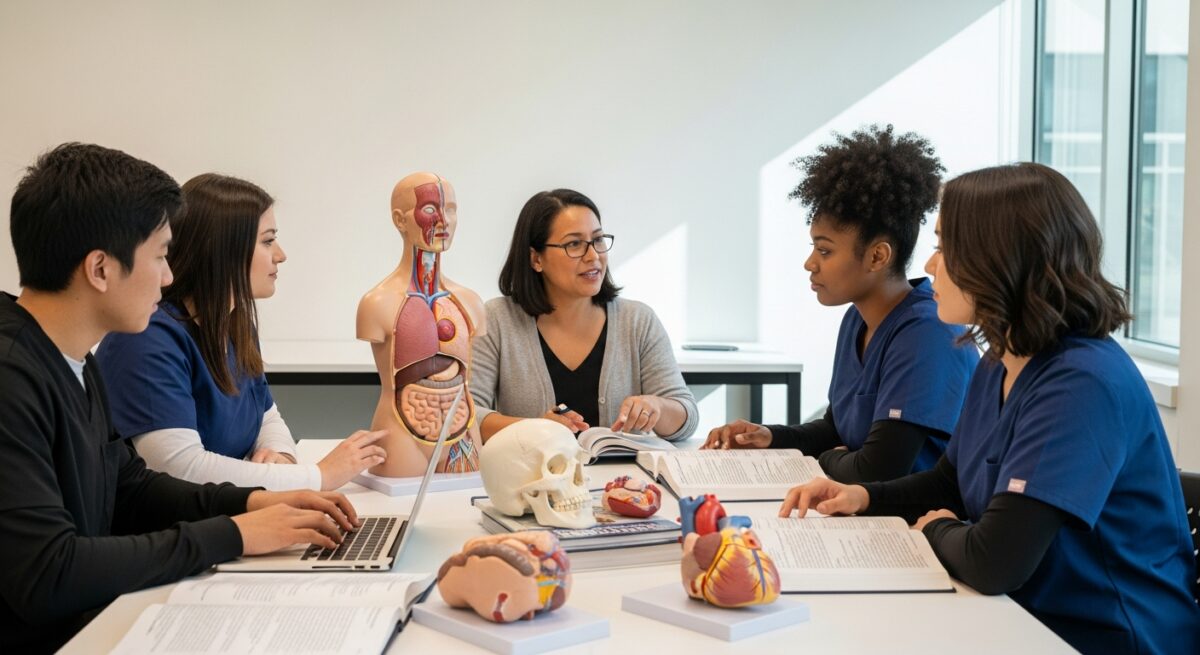
When evaluating pmhnp programs online, examine the faculty credentials. Programs led by experienced PMHNPs and doctorally prepared nurses offer richer mentorship. Some universities also provide simulation labs, virtual patient encounters, and interactive case studies to bridge the gap between online learning and clinical application.
Clinical Placement Support
One of the biggest concerns for students in online programs is securing clinical placements. Reputable programs offer placement assistance or maintain a network of preceptors. However, some require you to find your own preceptor. Before enrolling, ask about the program’s placement policy. A program that guarantees placement coordination can save you months of searching.
Clinical hours typically range from 500 to 700 for a master’s degree and up to 1,000 for a post-master’s certificate or DNP. These hours must be completed under the supervision of a qualified preceptor, usually a PMHNP or psychiatrist. Many programs allow you to complete hours at your current workplace if the setting offers appropriate psychiatric experience.
Program Length and Delivery Format
Most online PMHNP programs take 2 to 3 years for a master’s degree and 3 to 4 years for a DNP. Accelerated options are available for nurses who already hold a master’s degree in another specialty. Courses are delivered asynchronously, synchronously, or in a blended format. Asynchronous courses let you learn on your own schedule, while synchronous sessions require real-time attendance for discussions and lectures.
Consider your learning style and schedule when choosing a format. Some students thrive in self-paced environments, while others need the structure of live classes. Regardless of format, you will need reliable internet access and strong time management skills.
Steps to Apply for Online PMHNP Programs
The application process for psychiatric nurse practitioner online programs is competitive. Follow these steps to strengthen your candidacy.
- Meet the prerequisites. Most programs require a BSN from an accredited institution, an active RN license, and a minimum GPA of 3.0. Some programs also require one year of acute care or psychiatric nursing experience.
- Prepare your documents. You will need transcripts, a resume, letters of recommendation, and a personal statement. Your statement should explain your interest in psychiatric nursing and your career goals.
- Take the GRE if required. Some programs waive the GRE for applicants with a high GPA or prior master’s degree. Check each program’s policy.
- Complete the interview. Many programs conduct interviews to assess your communication skills and commitment to mental health care. Prepare to discuss clinical experiences and your understanding of the PMHNP role.
- Apply for financial aid. Submit the FAFSA and explore scholarships, employer tuition reimbursement, and military benefits. Some employers offer partial or full tuition coverage for nurses pursuing advanced degrees.
After acceptance, you will receive information about orientation, course registration, and clinical placement procedures. Stay organized and communicate regularly with your academic advisor.
Cost and Financial Considerations
Tuition for online PMHNP programs varies widely. Public universities may charge $400 to $800 per credit hour for in-state students, while private institutions can exceed $1,000 per credit hour. A typical master’s program requires 40 to 50 credit hours, bringing total tuition to $20,000 to $50,000. Additional costs include technology fees, textbooks, clinical placement fees, and certification exam fees.
Financial aid options include federal loans, grants, scholarships, and employer assistance programs. The Health Resources and Services Administration (HRSA) offers scholarships and loan repayment programs for nurses who commit to working in underserved areas. Some states also have loan forgiveness programs for mental health providers.
When comparing programs, consider the total cost of attendance, not just tuition. Factor in lost income if you reduce your work hours during clinical rotations. A program with a higher tuition but robust placement support may save you money in the long run by helping you graduate faster.
For those seeking clear information about academic qualifications and degree planning, college degree information can help you evaluate your options and align your education with career goals.
Certification and Licensure After Graduation
After completing an accredited PMHNP program, you must pass a national certification exam to practice. The American Nurses Credentialing Center (ANCC) offers the Psychiatric-Mental Health Nurse Practitioner (PMHNP-BC) certification. This exam covers assessment, diagnosis, treatment, and pharmacotherapy across the lifespan.
Certification is valid for five years and requires continuing education for renewal. Once certified, you apply for state licensure as an APRN. Each state board of nursing has specific requirements, including background checks and proof of clinical hours. Some states require a collaborative practice agreement or a certain number of supervised practice hours before granting full practice authority.
Many online programs prepare you for the ANCC exam by integrating review sessions and practice tests into the curriculum. Graduates of CCNE-accredited programs report high pass rates, often above 85%. Staying current with certification requirements ensures you remain competitive in the job market.
Career Outlook and Salary Expectations
The Bureau of Labor Statistics projects a 45% growth in nurse practitioner jobs from 2022 to 2032, much faster than the average for all occupations. PMHNPs are in especially high demand due to the nationwide shortage of psychiatrists. Telehealth expansion has also created new opportunities for remote psychiatric care.
Salaries for PMHNPs vary by location, experience, and practice setting. According to recent data, the median annual salary for PMHNPs ranges from $110,000 to $130,000. Those in private practice or rural areas often earn higher wages due to increased demand. Benefits typically include health insurance, retirement plans, and paid time off.
Graduates of np programs online report high job satisfaction, citing autonomy, meaningful patient relationships, and the ability to make a tangible difference in mental health outcomes. The role also offers opportunities for specialization in areas like child and adolescent psychiatry, forensic nursing, or addiction medicine.
Frequently Asked Questions
Can I work while completing an online PMHNP program?
Yes, many students work part-time or full-time during the didactic portion of the program. However, clinical rotations require dedicated time, often during business hours. Plan to reduce your work hours during clinical semesters.
Are online PMHNP programs respected by employers?
Yes, as long as the program is accredited by CCNE or ACEN. Employers value the same competencies regardless of delivery format. Many prestigious universities now offer online PMHNP programs with the same curriculum as on-campus versions.
Do online programs help find clinical placements?
Some do, but not all. Before enrolling, ask about placement support. Programs with dedicated clinical coordinators or partnerships with healthcare systems provide significant assistance.
What is the difference between a PMHNP and a psychiatrist?
A PMHNP is a nurse with advanced training in mental health, while a psychiatrist is a medical doctor. PMHNPs can prescribe medications and provide therapy, but their training focuses on nursing models of care rather than medical school education. Both can treat psychiatric disorders, but psychiatrists may handle more complex medical cases.
Can I specialize within psychiatric nursing?
Yes. After certification, you can pursue additional training in child and adolescent psychiatry, geriatric mental health, substance use disorders, or forensic nursing. Some DNP programs offer specialized tracks.
Choosing an online PMHNP program is a significant investment in your career and your community’s mental health. By selecting an accredited program with strong clinical support, you can gain the skills needed to provide high-quality psychiatric care while balancing your current responsibilities. The path requires dedication, but the reward is a fulfilling career that addresses one of healthcare’s most critical needs.