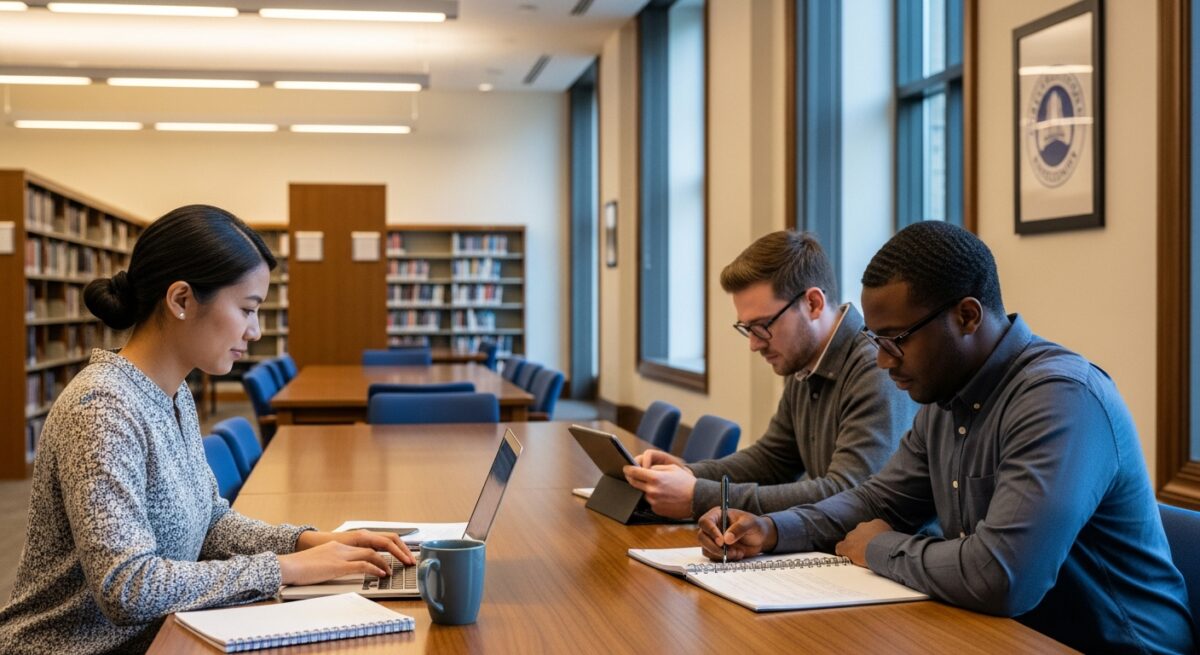
Social work is a field built on compassion, advocacy, and evidence-based practice. For many aspiring social workers, the path to licensure begins with earning a degree from an accredited program. The demand for flexible learning has never been higher, and online social work programs accredited options now make it possible to pursue a Bachelor of Social Work (BSW) or Master of Social Work (MSW) without relocating or leaving your current job. Choosing the right program requires understanding accreditation standards, curriculum quality, and how online learning fits your career goals.
Accreditation is not just a seal of approval. It is a guarantee that the program meets rigorous academic and professional standards set by the Council on Social Work Education (CSWE). Graduating from a CSWE-accredited program is essential for state licensure in most states. Without it, you may not qualify for clinical social work positions or be able to sit for the Association of Social Work Boards (ASWB) exam. This article explores the landscape of online social work programs, what to look for in accredited options, and how to make an informed decision that aligns with your future.
Why Accreditation Matters for Online Social Work Programs
Accreditation is the cornerstone of any credible social work degree. When you enroll in an accredited online program, you are assured that the education you receive meets the same standards as on-campus programs. The CSWE is the only accrediting body recognized by the Council for Higher Education Accreditation (CHEA) specifically for social work education in the United States. Programs that hold CSWE accreditation have undergone a rigorous review of their curriculum, faculty qualifications, field education requirements, and student outcomes.
For students, the implications are significant. Graduating from a non-accredited program can prevent you from obtaining state licensure, which is required for most social work roles. It can also limit your ability to transfer credits or pursue advanced standing in an MSW program. Employers, especially in healthcare and government settings, often require a degree from a CSWE-accredited institution. When researching online social work programs accredited options, always verify the program’s accreditation status on the CSWE website or the school’s official page.
Field education, or the practicum, is a critical component that accreditation standards protect. Online programs must arrange and supervise field placements where you complete hands-on hours in a community agency. Accredited programs ensure these placements are supervised by licensed social workers and meet the hourly requirements for licensure. This integration of theory and practice is what prepares you for real-world challenges, from child welfare casework to clinical therapy.
Types of Online Social Work Programs
Online social work programs come in several formats, each designed for different stages of your career. The most common are the BSW, the MSW, and the Doctorate in Social Work (DSW). Understanding the differences helps you select the right path.
Bachelor of Social Work (BSW) Online
A BSW is the entry-level degree for generalist social work practice. Accredited online BSW programs typically take four years to complete, though some accelerated tracks are available for transfer students. The curriculum covers human behavior, social welfare policy, research methods, and diversity. Students complete a minimum of 400 hours of field education. Graduates are qualified for positions such as case manager, mental health assistant, or child protective services worker. Many students use a BSW as a stepping stone to a one-year advanced standing MSW program.
Master of Social Work (MSW) Online
The MSW is the advanced degree required for clinical practice and leadership roles. Online MSW programs accredited by CSWE are widely available and offer two main tracks. The traditional track is for students with a bachelor’s degree in another field and takes two to three years. The advanced standing track is for BSW graduates and can be completed in one to one and a half years. For a closer look at BSW pathways, our guide on Accredited Online Social Work Bachelor’s Degree Programs provides detailed program comparisons. MSW students choose a concentration such as clinical social work, community practice, or school social work. Field education requirements range from 900 to 1,200 hours.
Doctorate in Social Work (DSW) Online
The DSW is a practice-focused doctorate for experienced social workers seeking leadership roles in academia, administration, or advanced clinical practice. Online DSW programs are less common but growing. They focus on advanced policy analysis, program evaluation, and teaching. Most require a master’s degree in social work and several years of post-MSW experience.
What to Look for in an Online MSW Program
Choosing among the many msw programs online requires careful evaluation of several factors beyond accreditation. The program format, cost, field placement support, and specialization options all affect your experience and career readiness.
First, consider the delivery method. Some programs are fully online with synchronous classes held in real time. Others are asynchronous, allowing you to watch lectures on your own schedule. Many programs use a hybrid model. Think about your learning style and schedule constraints. Synchronous programs offer more direct interaction with professors and peers, which can be valuable for clinical skill development. Asynchronous programs provide maximum flexibility for working professionals.
Second, examine the field placement process. A strong program will have a dedicated field coordinator who helps you find a placement in your local community. Some programs allow you to propose your own placement at your current workplace, which can be convenient if you already work in a human services agency. Ask about the program’s placement rate and how they handle students in rural areas where agencies may be limited.
Third, compare tuition and financial aid. Online programs often have lower tuition than on-campus options, but fees vary widely. Public universities may offer in-state tuition rates for online students regardless of residency. Private nonprofit universities may have flat rates. Always factor in technology fees, books, and potential travel for intensive on-campus residencies. Some programs require one or two short campus visits for orientation or capstone projects.
For students seeking to minimize debt, consider these financial planning strategies:
- Apply for federal financial aid using the FAFSA, which is available for accredited online programs.
- Check if your employer offers tuition reimbursement for social work degrees.
- Look for state-specific loan forgiveness programs for social workers in underserved areas.
- Explore scholarships offered by the university or professional organizations like the National Association of Social Workers (NASW).
After exploring these options, you can create a budget that aligns with your goals. Many students also turn to external funding sources. For more information about this topic, a scholarship information resource provides additional details on grants and awards specifically for social work students.
Specializations and Concentrations in Online MSW Programs
One of the advantages of pursuing a social work degree online is the ability to specialize in an area that matches your passion. Common concentrations include clinical social work, which prepares you for therapy and mental health counseling. This track focuses on diagnostic assessment, psychopathology, and therapeutic interventions. Graduates often work in private practice, hospitals, or community mental health centers.
Another popular concentration is children, youth, and families. This specialization covers child welfare, family therapy, school social work, and juvenile justice. It is ideal for those who want to work with at-risk populations or in child protective services. Macro practice concentrations, such as community organizing or policy advocacy, prepare students for roles in nonprofits, government agencies, or international development. Some programs also offer certificates in trauma-informed care, substance use disorders, or gerontology alongside the MSW.
When reviewing programs, look at the faculty expertise in your area of interest. An ideal program has professors who are active practitioners or researchers in that specialization. This ensures your coursework is current and relevant. Also check if the concentration leads to specific licensure pathways. For example, clinical concentrations typically include the coursework required for the Licensed Clinical Social Worker (LCSW) credential.
Licensure and Career Outcomes
Graduating from an accredited online social work program is the first step toward licensure. After earning your degree, you must pass the ASWB exam at the appropriate level (bachelor’s, master’s, or clinical). Most states also require supervised post-graduate experience, typically 3,000 hours for clinical licensure. Online programs often include coursework that covers ASWB exam content, but you should also plan for independent study using test preparation materials.
Career opportunities for social workers are expanding. The U.S. Bureau of Labor Statistics projects 12% growth for social work positions from 2020 to 2030, faster than the average for all occupations. This growth is driven by increased demand for healthcare and mental health services. Clinical social workers, in particular, are needed in hospitals, schools, and telehealth settings. Social work degree online programs that emphasize telehealth competencies give graduates an edge in the evolving healthcare landscape.
Salaries vary by role and location. According to the BLS, the median annual wage for social workers was $50,390 in 2022. Clinical social workers and those in healthcare settings tend to earn higher salaries. School social workers and child welfare workers may earn less but often qualify for loan forgiveness programs. Advanced degrees and licensure lead to higher earning potential over time.
Frequently Asked Questions
Are online social work programs accredited the same as on-campus programs?
Yes, when a program holds CSWE accreditation, the online version meets the same standards as the on-campus version. The curriculum, faculty qualifications, and field education requirements are identical. The only difference is the delivery method.
How long does it take to complete an online MSW program?
A traditional online MSW program takes two to three years of full-time study. Advanced standing programs for BSW graduates take one to one and a half years. Part-time options are available and can take three to four years.
Can I work full-time while earning a social work degree online?
Many students work full-time while completing online programs, especially asynchronous ones. However, field education hours require daytime availability at a community agency. Plan your schedule carefully. Some employers offer flexible hours for employees in social work programs.
Do online programs offer field placement support?
Accredited online programs must provide field education. Most have dedicated staff who help you find a placement near your home. Some allow you to use your current job as a placement if it involves direct social work practice under a licensed supervisor.
Will an online degree affect my ability to get licensed in another state?
Licensure requirements vary by state, but most accept degrees from CSWE-accredited programs regardless of where they are delivered. You will need to meet the specific supervised experience and exam requirements of the state where you want to practice. Some states have additional coursework requirements, so check with your state’s licensing board.
Making Your Decision
Selecting the right online social work program accredited by CSWE is a major investment in your future. Start by identifying your career goals. Do you want to work directly with clients in therapy? Focus on clinical programs. Are you drawn to policy or administration? Look for macro practice concentrations. Next, research programs that fit your budget and schedule. Request information from at least three schools and compare their field placement support, specialization options, and graduation rates.
Reach out to admissions counselors and ask to speak with current students or alumni. Their firsthand experiences can reveal the strengths and weaknesses of a program. Pay attention to how responsive the faculty and staff are during the inquiry process. That level of support often reflects the student experience once enrolled. With careful research and planning, you can find an online social work program that prepares you for a meaningful career helping others.