
Top Online Colleges for Alumni Mentoring and Career Success
Discover how leading online colleges connect students with graduate mentors for career guidance and networking, a key factor for post-graduation success.
By writerx Contributor
Choosing an online college often involves comparing tuition, flexibility, and accreditation. Yet, one of the most powerful, yet overlooked, factors for long-term success is the strength of an institution’s alumni mentoring network. A robust program connecting current students with successful graduates can transform an educational experience, providing not just academic support but also career guidance, industry insights, and professional opportunities. This article explores why alumni mentoring is a critical component of online education and highlights institutions that excel in creating these vital connections for their students.
Why Alumni Mentoring Is a Game-Changer for Online Students
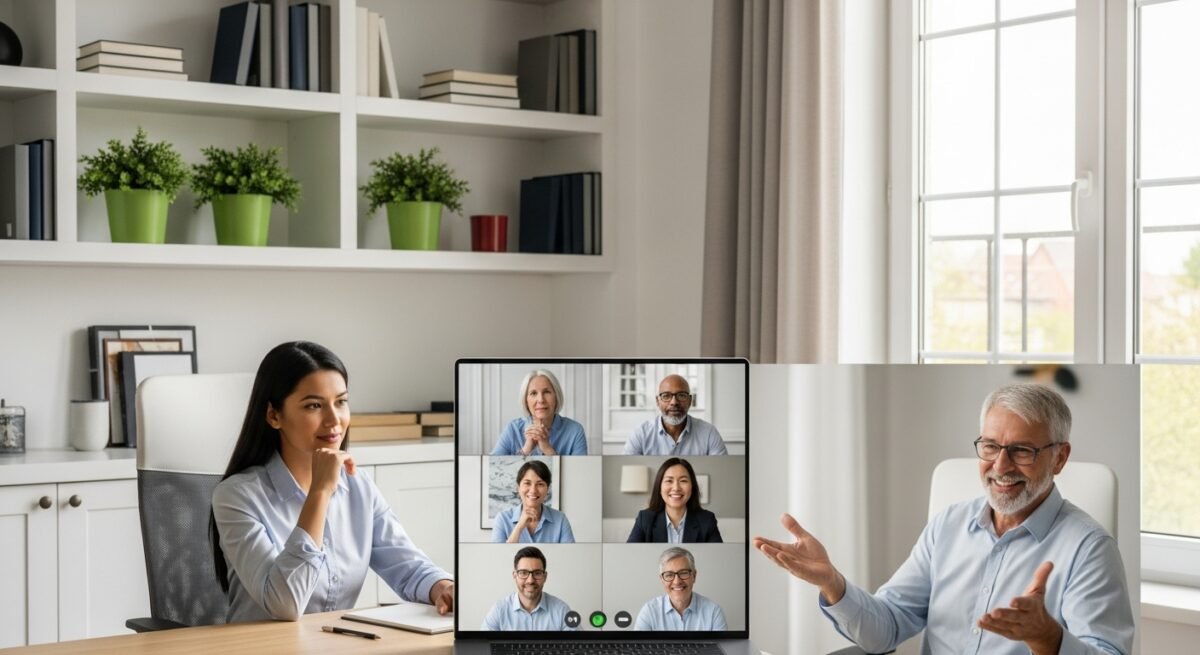
Online learning, while offering unparalleled flexibility, can sometimes feel isolating. Unlike traditional campuses where networking happens organically, digital students must be more intentional about building professional relationships. This is where a formalized alumni mentoring program becomes invaluable. These programs bridge the gap between the virtual classroom and the real-world workplace. Mentors who have walked the same path can offer pragmatic advice on navigating coursework, balancing studies with work and family, and translating online degree credentials into career advancement. They provide context that professors and career counselors sometimes cannot, sharing firsthand experience about what skills are truly in demand and how to position oneself in a competitive job market.
The benefits extend far beyond simple advice. A dedicated alumni mentor can serve as a professional advocate, offering introductions within their network, reviewing resumes and LinkedIn profiles, and even providing mock interviews. This level of personalized support is often what distinguishes graduates who simply complete a degree from those who leverage it for significant career transformation. For adult learners and career-changers, this guidance is particularly crucial, as they are often navigating a pivot into a new field. When evaluating top online colleges for alumni mentoring, look for programs that offer structured matching, clear expectations for both parties, and resources to facilitate a productive relationship. The best programs are integrated into the student experience, not just an optional add-on.
Key Features of Exceptional Alumni Mentoring Programs
Not all mentoring initiatives are created equal. A truly effective program is built on more than just a database of alumni volunteers. It requires thoughtful design, institutional commitment, and ongoing support. When researching online colleges, prospective students should look for these key features that signal a high-quality, impactful mentoring ecosystem. These elements ensure the relationship is beneficial for both the mentee seeking guidance and the alumnus giving back.
- Structured Matching and Onboarding: The best programs use detailed profiles to pair students and alumni based on career field, academic interests, professional goals, and even personality indicators. A formal onboarding process sets clear goals, communication guidelines, and a suggested meeting cadence to get the relationship started on the right foot.
- Dedicated Program Coordination: A successful program is actively managed by a staff member or office within the university’s career services or alumni relations department. This coordinator facilitates connections, provides resources (like discussion guides), checks in on progress, and troubleshoots any issues that arise.
- Flexible Engagement Models: Recognizing the busy schedules of both online students and working alumni, top programs offer multiple engagement tiers. This could range from long-term, one-on-one partnerships to short-term project-based mentoring, flash mentoring sessions for specific questions, or even group mentoring within industry cohorts.
- Integration with Career Curriculum: Mentoring is most powerful when it complements academic learning. Look for programs where mentoring is woven into capstone projects, career development courses, or specific assignments that require external professional insight.
- Measurable Outcomes and Feedback: Institutions committed to their programs track participation rates, gather feedback, and measure outcomes such as student satisfaction, internship placement, and job offer rates linked to mentoring connections.
Leading Online Institutions With Robust Alumni Networks
Several online colleges have distinguished themselves by building comprehensive, active alumni mentoring infrastructures. These institutions understand that their value proposition extends beyond course delivery to lifelong career support. For example, many top-tier business schools offering online MBAs have exceptionally strong networks, where alumni are deeply invested in maintaining the prestige and success of their alma mater. These networks often feature sophisticated online platforms where students can search for mentors by company, job title, or location, schedule virtual meetings, and access a library of mentor-provided resources.
Similarly, universities with a long history of serving non-traditional and working professional students often have alumni who are particularly empathetic to the online student journey and eager to give back. These programs may emphasize industry-specific mentoring, connecting IT students with tech leaders, or nursing students with healthcare administrators. The common thread among these top online colleges for alumni mentoring is a culture of reciprocity and community that transcends the digital format. They foster a sense of belonging and professional identity that is critical for online learners. Exploring accelerated online degree options can be a strategic move, and pairing that fast-paced learning with a strong mentor can help you navigate the intensive workload and immediately apply new skills.
How to Evaluate and Engage With Mentoring as a Prospective Student
Your research into an online college should include a deliberate assessment of its alumni mentoring offerings. During the admissions process, don’t hesitate to ask specific questions. Inquire about the percentage of students who participate in mentoring, the average tenure and career level of alumni volunteers, and what tools the university provides to facilitate the relationship. Reach out to current students and recent graduates through LinkedIn or university forums to get firsthand accounts of their mentoring experiences. This due diligence will reveal whether the program is a vibrant, central part of the student experience or a peripheral offering with limited engagement.
Once enrolled, proactively engaging with the mentoring program is essential. Approach it with professionalism and clarity. Before connecting with a potential mentor, reflect on your specific goals. Are you seeking industry knowledge, resume advice, interview practice, or long-term career navigation? Come prepared to meetings with focused questions and be respectful of your mentor’s time. The most successful mentoring relationships are collaborative, with the mentee driving the agenda while remaining open to the mentor’s insights. Remember, this is a professional relationship that, when nurtured, can evolve into a lasting part of your network. It’s also a prime example of the support systems available through quality digital learning degree options, where the entire educational model is designed for adult and career-focused success.
Frequently Asked Questions About Alumni Mentoring
Is alumni mentoring only for business or graduate students?
No. While prominent in business schools, strong alumni mentoring programs exist across disciplines at the undergraduate and graduate levels. Many online colleges offer mentoring for fields like cybersecurity, data science, education, and healthcare, recognizing its universal value.
How much time does a mentoring commitment typically require?
This varies by program. Formal one-on-one partnerships may suggest a monthly video call and email check-ins. Flash mentoring or micro-mentoring options might involve a single 30-minute call to address a specific question. The key is to establish clear expectations at the relationship’s outset.
What if I don’t connect well with my assigned mentor?
Reputable programs have mechanisms for this. It’s appropriate to contact the program coordinator to discuss a reassignment. Professional chemistry is important, and a good program wants both parties to have a positive, productive experience.
Can alumni mentoring help me get a job?
While a mentor is not a guaranteed job placement service, they are an invaluable asset in a job search. They can provide insider referrals, recommend you for openings, help tailor your application materials, and prepare you for interviews. Their endorsement can significantly elevate your candidacy.
Do I have to be an extrovert to benefit from mentoring?
Absolutely not. Effective mentoring programs can accommodate different communication styles. Many introverted professionals find structured, agenda-driven virtual meetings to be a comfortable format for building a meaningful professional relationship.
Ultimately, the value of an online degree is amplified exponentially by the human connections you make along the way. A college that prioritizes and expertly facilitates alumni mentoring is investing in your success long after you complete your final course. By choosing a program with this strength, you are not just gaining an education, you are gaining a professional community dedicated to helping you achieve your goals.