Psychology remains one of the most popular fields of study for students who want to understand human behavior, improve mental health outcomes, or build a foundation for careers in counseling, research, or human resources. For adult learners, career changers, and working professionals, the challenge is finding flexible options that fit busy schedules without sacrificing academic quality. The best online psychology courses for students combine rigorous curriculum, accredited instruction, and practical application. Whether you are exploring introductory concepts or preparing for graduate-level work, the right course can open doors to new opportunities. This article evaluates top programs, highlights key features to consider, and provides actionable guidance for choosing a path that aligns with your goals.
Why Online Psychology Courses Are a Smart Choice
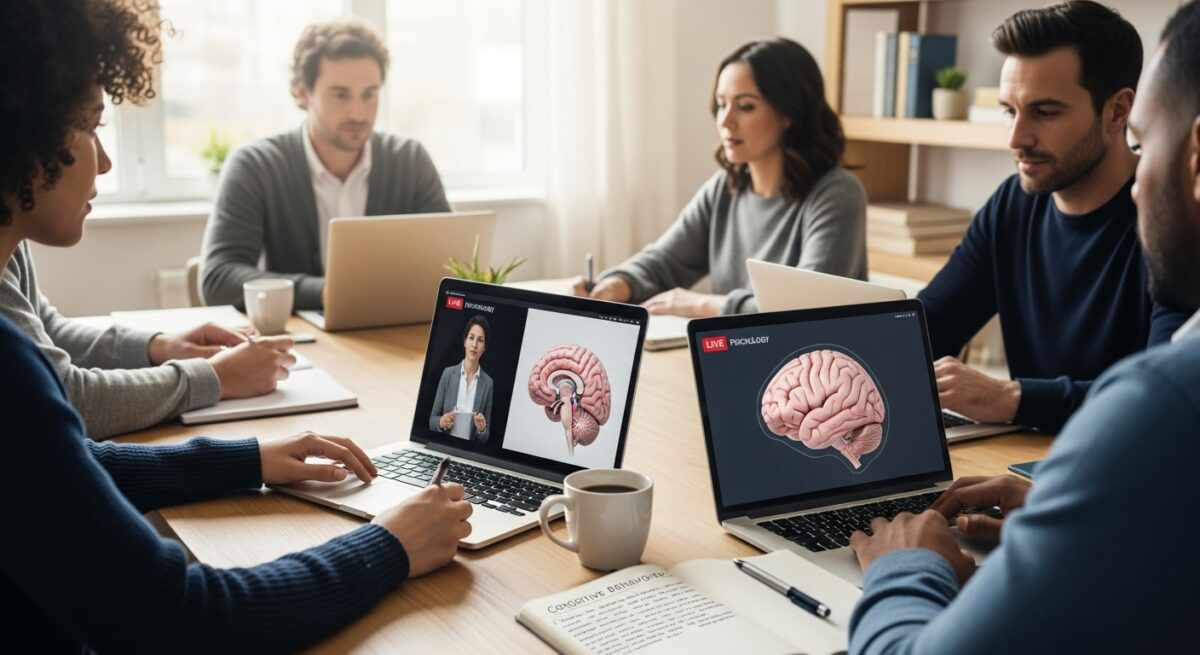
Online education has evolved far beyond recorded lectures and PDF readings. Today, interactive simulations, virtual labs, and live discussion forums create engaging learning environments. For psychology students, this means access to diverse perspectives from peers around the world and the ability to study at times that suit their personal and professional commitments. Many accredited universities now offer fully online bachelor’s and master’s degrees in psychology, as well as standalone certificates for targeted skill development.
Cost is another significant factor. Online programs often reduce expenses related to commuting, housing, and campus fees. Additionally, many institutions offer financial aid and scholarships specifically for distance learners. For students who are unsure about committing to a full degree, introductory courses provide a low-risk way to test the waters. The flexibility of psychology courses online also allows learners to balance coursework with internships or part-time work in related fields, which builds real-world experience while earning credits.
Key Criteria for Selecting the Best Online Psychology Courses
Not all online psychology courses are created equal. To ensure you invest time and money wisely, evaluate programs based on several critical factors. Accreditation is non-negotiable; it guarantees that the institution meets recognized academic standards and that credits will transfer to other schools or be accepted by employers. Look for regional accreditation or program-specific accreditation from the American Psychological Association (APA) where applicable.
Curriculum depth matters too. A strong course should cover foundational theories (cognitive, behavioral, developmental, social) and research methods. Many top programs also include ethics training and statistical analysis. Instructor qualifications are equally important. Courses taught by faculty with active research or clinical experience tend to offer richer insights and networking opportunities. Finally, consider student support services such as academic advising, tutoring, career counseling, and technical support. These resources can significantly impact your success, especially if you are returning to school after a long break.
Accreditation and Transferability
When researching options, verify the school’s accreditation status through the U.S. Department of Education’s database. Regionally accredited institutions are widely recognized. Some psychology departments also hold specialized accreditation, which can be important if you plan to pursue licensure as a psychologist or counselor. Always check whether the course credits transfer to other programs you may consider later. Many universities publish transfer agreements or articulation pathways.
Top Online Psychology Courses for Students in 2026
The following list highlights programs that consistently receive positive reviews for academic rigor, faculty expertise, and student satisfaction. These courses are offered by accredited institutions and are designed to accommodate adult learners.
- Yale University – Introduction to Psychology (Coursera): Taught by Professor Paul Bloom, this course covers major psychological concepts and research methods. It is free to audit, with an optional paid certificate. Ideal for beginners exploring the field.
- University of Minnesota – Social Psychology (Coursera): Focuses on how individuals think about, influence, and relate to one another. Includes real-world case studies and interactive assignments.
- University of Queensland – Abnormal Psychology (edX): Explores mental disorders, diagnosis, and evidence-based treatments. Offers a verified certificate for professional development.
- Rice University – AP Psychology (edX): A college-level introductory course that prepares students for the AP exam or for foundational knowledge in the discipline.
- Harvard University – The Moral Foundations of Politics (edX): While broader than pure psychology, this course delves into political psychology and moral reasoning, valuable for students interested in social behavior.
These courses represent just a sampling of what is available. Many universities also offer full online degree programs. For example, Grand Canyon University and Southern New Hampshire University are frequently featured on DegreesOnline.Education for their accredited online psychology bachelor’s and master’s programs. When choosing, consider whether you want a single course for exploration or a sequence that leads to a credential.
How to Choose the Right Course for Your Goals
Your personal objectives will determine which course fits best. If you are considering a career in clinical psychology, you will need a program accredited by the APA and that includes supervised clinical hours. If you are a working professional seeking to apply psychology principles in business, marketing, or human resources, a certificate in industrial-organizational psychology might be more appropriate. Many universities now offer micro-credentials that stack toward a full degree, allowing you to build credentials incrementally.

Budget is another consideration. Some courses are free to audit, while others charge tuition per credit hour. Financial aid, employer tuition reimbursement, and scholarships can offset costs. In our guide on how to choose an online psychology degree program, we explain how to evaluate total cost of attendance and compare ROI across institutions.
Frequently Asked Questions
Can I become a licensed psychologist with an online degree?
Yes, but licensure requirements vary by state. Most states accept degrees from regionally accredited institutions. However, if you plan to pursue clinical licensure, ensure your program includes supervised practicum hours and meets the educational standards of your state’s licensing board.
How long do online psychology courses typically take?
Self-paced courses can be completed in a few weeks to several months, depending on your schedule. Traditional semester-based online courses run 8 to 16 weeks. Full degree programs typically take 2-4 years for a bachelor’s and 1-3 years for a master’s, though accelerated options exist.
Are online psychology courses cheaper than on-campus programs?
Often, yes. Online programs frequently have lower tuition rates and eliminate commuting and housing costs. However, fees for technology or proctored exams may apply. Compare total costs including books and materials before enrolling.
What technology do I need for an online psychology course?
A reliable internet connection, a computer with a webcam and microphone, and updated browser software are standard. Some courses require statistical software (like SPSS) or virtual lab access, which the institution typically provides.
Making the Most of Your Online Psychology Education
Success in online learning requires discipline and active engagement. Set a regular study schedule, participate in discussion forums, and connect with classmates for study groups. Take advantage of office hours with instructors to clarify concepts and build professional relationships. Many students find that supplementing coursework with internships, volunteer work, or research assistant positions strengthens their understanding and resume.
Keep in mind that the best online psychology courses for students are those that align with your career aspirations and learning style. Whether you choose a single introductory class or a full degree program, the knowledge you gain will equip you to think critically about human behavior and contribute meaningfully to the field. Start by exploring the options listed above, and use the resources on DegreesOnline.Education to compare schools, read reviews, and connect with programs that fit your needs. Learn more