
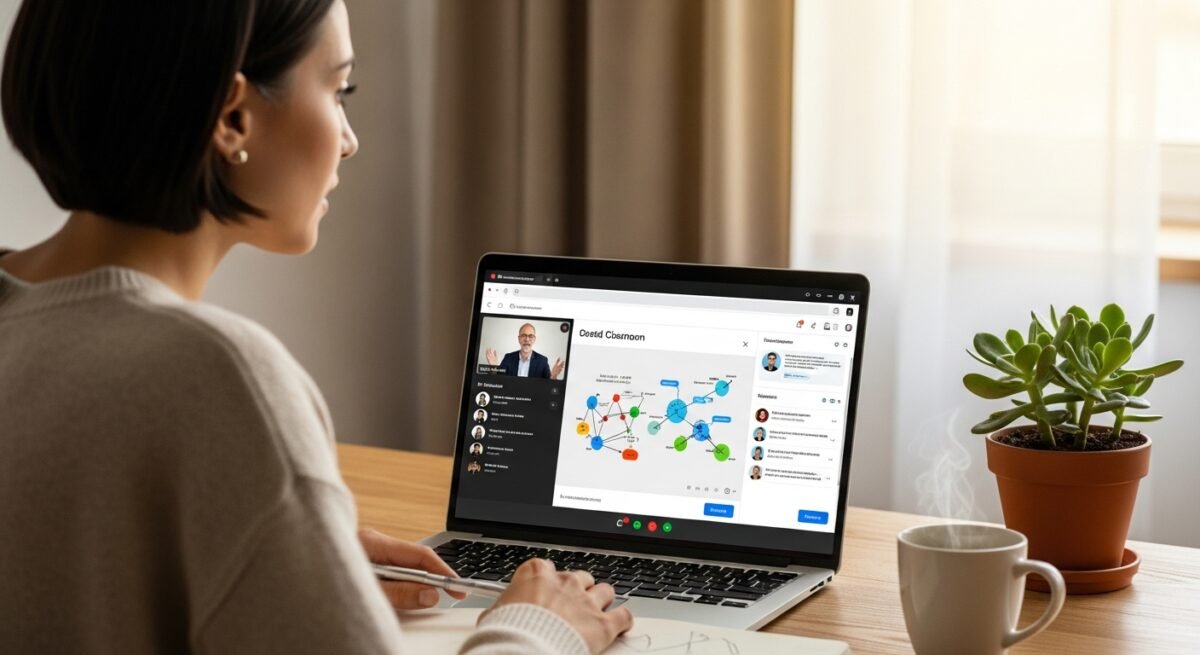
Web Based Learning Degrees: Value, Flexibility, and Choice
Web based learning degrees offer accredited, flexible pathways to advance your career. Explore the benefits, popular fields, and how to choose a quality program that fits your life.

By Madison Cooper
The traditional image of a college student—sitting in a lecture hall, rushing between campus buildings—is rapidly evolving. Today, a powerful and legitimate alternative has emerged, offering the same rigorous education through a digital lens: web-based learning degrees. These programs, delivered entirely online, have moved from a niche option to a mainstream pathway for earning accredited bachelor’s, master’s, and even doctoral degrees. They represent more than just convenience; they are a reimagining of higher education that prioritizes accessibility, personalization, and career-aligned learning for a global, digital-first world.
Understanding the Modern Online Degree Experience
Modern web-based degrees are a far cry from the early correspondence courses of the past. They leverage sophisticated learning management systems (LMS) like Canvas, Blackboard, or Moodle to create dynamic virtual classrooms. The core experience is built around asynchronous learning, where students access pre-recorded lectures, digital readings, discussion forums, and assignments on their own schedule each week. This model is ideal for working adults, parents, or those with irregular hours. Many programs also incorporate synchronous elements, such as live video seminars, group project meetings, or virtual office hours with professors, providing real-time interaction and community building. This blended approach ensures students are not learning in isolation but are part of an engaged academic cohort.
The technological requirements are straightforward but essential. A reliable high-speed internet connection, a computer capable of running standard software and video conferencing tools, and basic digital literacy form the foundation. Beyond hardware, success in this environment demands strong self-discipline, time management skills, and proactive communication. Students must be adept at navigating digital platforms, meeting deadlines without in-person reminders, and clearly articulating questions via email or discussion posts. Developing these skills, however, is part of the value proposition, as they are directly transferable to today’s remote and hybrid workplaces.
The Tangible Benefits of Choosing an Online Pathway
The decision to pursue a degree via web-based learning is often driven by a compelling array of advantages that address the limitations of traditional campus programs. The most prominent benefit is unparalleled flexibility. Students can log in and complete coursework from anywhere—home, a coffee shop, or even while traveling—around their existing professional and personal commitments. This eliminates geographical barriers, allowing access to top-tier programs across the country without the need for relocation. Furthermore, this flexibility often translates to significant cost savings. Students avoid expenses related to commuting, on-campus housing, meal plans, and often see lower tuition rates at public institutions for online programs.
The structure of online learning also fosters the development of crucial 21st-century skills. The independent nature of the work cultivates exceptional self-motivation, time management, and personal accountability. Digital collaboration tools hone teamwork and communication skills in a virtual context, mirroring modern professional environments. Perhaps most importantly, many web-based programs are specifically designed with career advancement in mind, offering practical, applied knowledge and direct connections to industry trends. For a deeper exploration of how to select the right program for your goals, our resource on navigating virtual learning degrees provides a detailed framework.
- Geographic Freedom: Access programs from any accredited institution worldwide.
- Schedule Control: Balance education with full-time work, family, and other obligations.
- Cost Efficiency: Reduce or eliminate costs for relocation, commuting, and campus fees.
- Career-Ready Skill Development: Build digital literacy, self-discipline, and virtual collaboration skills.
- Personalized Learning Pace: Often allows for accelerated options or a more deliberate pace as needed.
Navigating Accreditation and Program Quality
The single most critical factor in evaluating any web-based learning degree is accreditation. Accreditation is a quality assurance process where an independent agency evaluates a school or program against established standards. It is the benchmark that separates legitimate academic credentials from worthless ones. There are two primary types: institutional and programmatic. Institutional accreditation applies to the entire college or university and is non-negotiable. Always verify that an institution is accredited by an agency recognized by the U.S. Department of Education or the Council for Higher Education Accreditation (CHEA).
Beyond institutional accreditation, many fields have specialized programmatic accreditation. For example, business schools may seek AACSB accreditation, nursing programs require CCNE or ACEN, and engineering programs seek ABET approval. This specialized accreditation signals that the curriculum meets the rigorous standards of that specific profession. When researching programs, prospective students must look beyond marketing claims and directly verify accreditation status on the school’s website and the accrediting agency’s database. This due diligence protects your investment and ensures your degree will be respected by employers and other institutions. Understanding these distinctions is a key part of the process outlined in our guide on choosing the right virtual degree path.
Popular and In-Demand Fields for Online Study
Virtually every academic discipline now offers robust online degree options, but some fields have become particularly synonymous with high-quality web-based delivery due to their alignment with digital tools and career demand. Business and management remain the most popular, with online MBAs, Bachelor’s in Business Administration, and specialized master’s in finance, marketing, or project management being widely available. These programs often feature case studies, simulation software, and networking events that translate well to the online format.
Healthcare and nursing degrees have also seen explosive growth online, particularly for registered nurses (RNs) seeking a Bachelor of Science in Nursing (BSN) or advanced practice roles like Nurse Practitioner. These programs typically combine online theory coursework with in-person clinical placements arranged locally. Information Technology and Computer Science degrees are a natural fit, teaching skills in programming, cybersecurity, and data science through the very medium students are learning to master. Furthermore, the fields of education, human services, and psychology offer numerous online pathways for those seeking roles in counseling, social work, or teaching, often designed for practicing professionals seeking advancement.
A Strategic Approach to Selecting Your Program
Choosing the right web-based degree requires a methodical evaluation beyond just the subject matter. Start by conducting a thorough self-assessment of your career goals, learning style, and weekly time commitment. Then, research potential programs with a critical eye. Examine the curriculum in detail: Is it theoretical or applied? Does it include industry-recognized certifications? Investigate the faculty: Are they experienced academics with real-world expertise? Assess the student support services: Is there dedicated technical support, online tutoring, career counseling, and a responsive academic advising team?
Financial considerations are paramount. Carefully compare tuition rates, technology fees, and the availability of financial aid, scholarships, or employer tuition reimbursement. Reach out to admissions counselors with specific questions and, if possible, request to speak with a current student or alumnus to gain an insider’s perspective on the program’s strengths and challenges. This comprehensive research phase is essential for finding a program that is not only accredited but also the right fit for your personal and professional trajectory. For a step-by-step breakdown of this decision-making process, consider the strategies discussed in our article on navigating virtual learning degrees for your future.
Web-based learning degrees have fundamentally democratized access to higher education. They are no longer an alternative but a primary, respected modality for achieving academic and career goals. By offering flexibility, fostering in-demand skills, and providing access to a wide array of accredited programs, online education empowers individuals to learn and grow without putting their lives on hold. The future of learning is increasingly digital, and these degrees offer a powerful, practical gateway to that future.