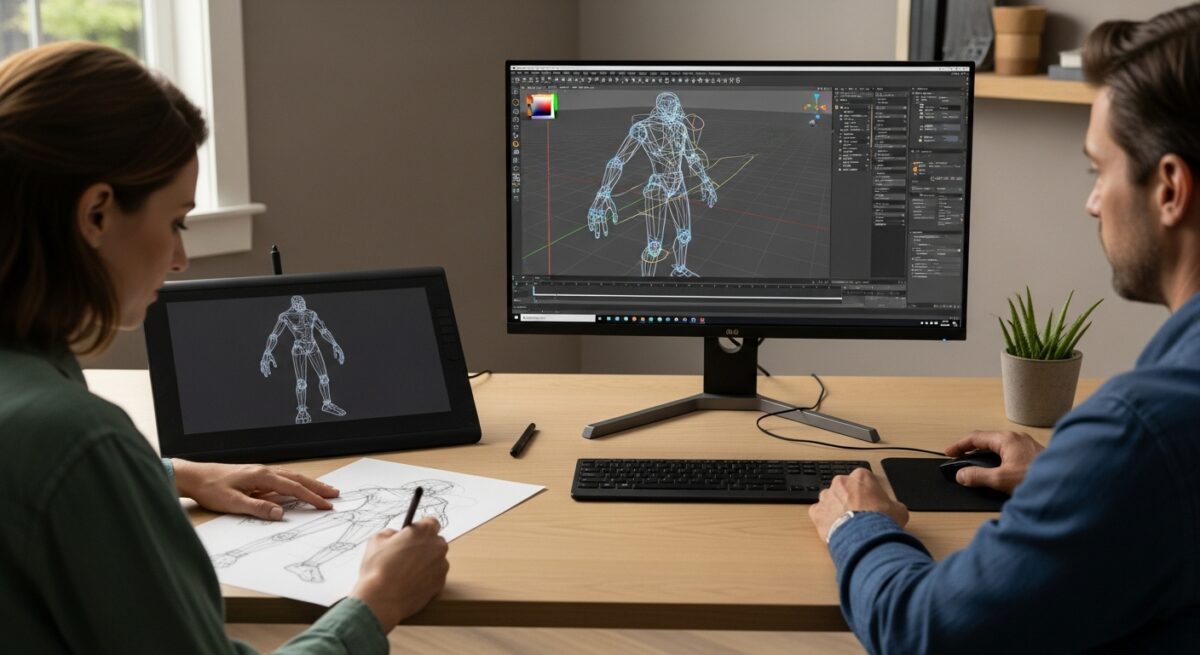
Animation is no longer confined to the walls of a traditional art school. With the rise of digital learning, you can now earn a respected degree from your own home, building a portfolio while balancing work and family. Whether you dream of creating characters for blockbuster films, designing assets for video games, or crafting motion graphics for marketing, an online animation degree can open the door to a thriving creative career. This guide explores what these programs offer, how to choose the right one, and what you can do with your diploma once you graduate.
The flexibility of online learning is a game-changer for adult learners. Instead of relocating or quitting your job, you can log in to lectures and studio sessions on your own schedule. Many programs use the same software and teach the same principles as their on-campus counterparts, so your education is just as rigorous. The key is finding a program that aligns with your goals, budget, and learning style.
What to Expect from Online Animation Degree Programs
An online animation degree typically covers the complete production pipeline, from concept art to final render. You will start with foundational courses in drawing, color theory, and design, then move into digital tools like Maya, Blender, and Adobe After Effects. Core subjects include 3D modeling, texturing, rigging, animation principles, and storytelling. As you advance, you may choose electives in character animation, visual effects, or game design.
Most programs are asynchronous, meaning you can watch pre-recorded lectures and complete assignments at your own pace. However, some courses include live critiques and group projects to simulate a studio environment. You will need a reliable computer, a drawing tablet, and a strong internet connection. Software costs are often included in tuition or available through student licenses, but you should verify what is covered before enrolling.
Accreditation is critical. Look for programs from regionally accredited institutions, as this ensures your credits transfer and your degree is respected by employers. Many online animation degree programs also hold specialized accreditation from the National Association of Schools of Art and Design (NASAD). This stamp of approval signals that the curriculum meets industry standards and that faculty are experienced professionals.
How to Choose the Best Online Animation Degree for You
With so many options, selecting the right program can feel overwhelming. Start by clarifying your career goals. Do you want to work in 2D, 3D, or stop-motion? Are you interested in film, gaming, or advertising? The answers will help you narrow down programs that specialize in your area of interest. Next, examine the curriculum. A good program offers a balanced mix of artistic theory and technical training, with plenty of opportunities to build a portfolio.
Consider the learning format. Some programs are fully online, while others are hybrid with occasional on-campus residencies. If you need maximum flexibility, look for programs that allow you to complete everything remotely. Also, check the faculty. Experienced instructors who have worked at major studios or production houses bring invaluable industry insight. Look for their credits on IMDb or LinkedIn to gauge their real-world experience.
Cost is another major factor. Tuition for online animation degrees varies widely, from around $10,000 for a public university to over $50,000 for a private art school. Do not forget to factor in software, hardware, and any required on-campus visits. Financial aid is available, and many schools offer scholarships specifically for online students. Take the time to compare programs side by side, and always reach out to admissions counselors with questions. For a curated list of top-ranked options, check out our Best Online Animation Degree Programs: 2026 Picks, which evaluates schools based on accreditation, cost, and student outcomes.
Top Skills You Will Develop in an Online Animation Program
Beyond software proficiency, an online animation degree cultivates a range of transferable skills. You will learn to manage your time effectively, collaborate with remote teams, and give and receive constructive criticism. These abilities are just as important as your technical chops, because they make you a reliable and adaptable employee.
Here are some of the core skills you can expect to master:
- 3D Modeling and Texturing: Creating digital assets with depth and realistic surfaces using tools like Maya and ZBrush.
- Rigging and Character Animation: Building skeletons and controls to bring characters to life with believable movement.
- Storyboarding and Pre-Visualization: Planning shots and sequences to effectively communicate a narrative.
- Compositing and Visual Effects: Integrating 3D elements with live-action footage or 2D backgrounds.
- Project Management: Meeting deadlines and managing assets in a production pipeline.
These skills are not just for animators. They are valuable for roles in game design, architectural visualization, product design, and even augmented and virtual reality. The versatility of an animation degree means you can pivot across industries as technology evolves.
Career Paths and Salary Potential for Animation Graduates
An online animation degree can lead to a variety of roles, each with its own salary range and growth trajectory. According to the U.S. Bureau of Labor Statistics, the median annual wage for special effects artists and animators was $98,950 in 2023, with the top 10 percent earning over $160,000. The projected job growth is 4 percent from 2022 to 2032, which is about as fast as the average for all occupations. However, the field is competitive, and your portfolio often matters more than your degree.

Common job titles include 3D animator, character designer, storyboard artist, visual effects artist, and motion graphics designer. You could work for film studios, game companies, advertising agencies, or as a freelance artist. Many animators also find success in the growing fields of virtual reality and medical animation, where they create educational simulations and product visualizations. The skills you learn in an online animation degree program are directly applicable to these emerging sectors, making you a valuable asset in a rapidly changing digital landscape.
Internships and networking are crucial for breaking into the industry. Many online programs have partnerships with studios or offer virtual career fairs. Take advantage of these opportunities to build connections and gain experience. Your school’s alumni network can also be a valuable resource for job leads and mentorship.
Common Challenges and How to Overcome Them
Online learning is not without its hurdles, but with the right mindset, you can conquer them. One common challenge is staying motivated without the structure of a physical classroom. Set a regular study schedule and create a dedicated workspace free from distractions. Treat your coursework like a job, and you will be less likely to procrastinate.
Another challenge is the lack of hands-on feedback. While online programs offer critiques, they are not always as immediate as in-person instruction. Be proactive in seeking feedback from instructors and peers. Participate in online forums, join animation communities, and post your work for critique. This will help you improve faster and build a supportive network.
Technical issues can also disrupt your workflow. Invest in a reliable computer that meets the software requirements, and always back up your work to an external drive or cloud service. If you encounter a problem, reach out to your school’s IT support. Most programs have resources to help you troubleshoot issues, so do not hesitate to ask for assistance.
Frequently Asked Questions
Is an online animation degree worth it?
Yes, if you choose a program with strong industry connections and a focus on portfolio development. Many employers care more about your demo reel than your diploma, so prioritize programs that emphasize practical projects and offer internship opportunities. An online animation degree can provide the structure and mentorship you need to build a professional portfolio, making it a worthwhile investment.
What software do I need for an online animation degree?
Most programs require a computer that can handle 3D software like Maya, Blender, or Cinema 4D. You will also need a drawing tablet (such as a Wacom or iPad) for digital art and animation. Some schools provide free student licenses for software, while others include it in tuition. Check with your specific program for a complete list of requirements.
Can I work while earning an online animation degree?
Absolutely. One of the main advantages of online programs is flexibility. Many students work part-time or full-time while studying. However, be realistic about your workload. Animation courses can be time-intensive, especially when you are working on complex projects. Plan your schedule carefully and communicate with your employer about your academic commitments.
Your Next Steps Toward a Career in Animation
Choosing to pursue an online animation degree is a significant decision, but it is one that can pay off in creative and financial rewards. Start by researching accredited programs that fit your career goals and budget. Reach out to admissions advisors, talk to current students or alumni, and compare curricula. Once you enroll, immerse yourself in the experience: build relationships with professors, collaborate with classmates, and take advantage of every opportunity to enhance your portfolio.
Remember that your education does not end at graduation. The animation industry is always evolving, so commit to lifelong learning. Continue honing your skills, exploring new software, and networking with fellow professionals. With dedication and a strong portfolio, you will be well on your way to a fulfilling career in animation. For more resources on online degrees and career planning, visit DegreesOnline.Education, where you can explore program reviews, financial aid guidance, and insights on return on investment for various degrees. Your future as an animator starts now.