
GWU Acting Certificate: 1-Year In-Person Program
Explore the Acting Certificate, 1 year to less than 2 years In-person at George Washington University, including curriculum, costs, and career outcomes.

For actors who want rigorous, conservatory-style training without committing to a full degree, the Acting Certificate, 1 year to less than 2 years In-person at George Washington University offers a focused path. This program combines studio work, movement, voice, and dramatic literature in the heart of Washington, DC. It is designed for adults who are ready to train intensively and build a professional foundation in a short timeframe. If you are weighing a certificate against a longer degree, this guide breaks down what the program includes, who it suits, and how to decide whether it fits your career goals.
What the GWU Acting Certificate Actually Is
The Acting Certificate, 1 year to less than 2 years In-person at George Washington University is a non-degree credential delivered through the university's theater program. Unlike a bachelor's or master's in acting, the certificate is not a full academic degree. Instead, it concentrates on applied performance training. Students take a sequence of studio courses that emphasize scene study, character development, and performance technique. The in-person format means you rehearse and perform in campus spaces with faculty who are working artists.
Because the program length is listed as 1 year to less than 2 years, the exact completion time can vary. Some students move through in three or four semesters; others spread coursework to accommodate work or family obligations. The certificate is typically post-baccalaureate or open to adults with prior acting experience, but you should confirm current admission requirements with the university. The key distinction is that this is a training credential, not a degree, so it does not carry the same general-education requirements as a BA or MFA.
One of the advantages of a certificate is that it can be completed faster than a degree while still giving you structured, faculty-led instruction. For career changers who already hold a bachelor's in another field, the certificate can serve as a bridge into acting without a second degree. For early-career actors, it can fill gaps in technique and add a recognized credential to a resume.
Inside the Curriculum: Studio Training and Performance Practice
Certificate programs in acting tend to be studio-heavy. At GWU, you can expect coursework in acting technique, voice and speech, movement, and dramatic literature. The sequence usually begins with foundational work: relaxation, improvisation, and given circumstances. As you progress, you move into scene study with contemporary and classical texts, monologue work, and audition technique. Faculty often use a conservatory model, meaning classes are small and feedback is direct.
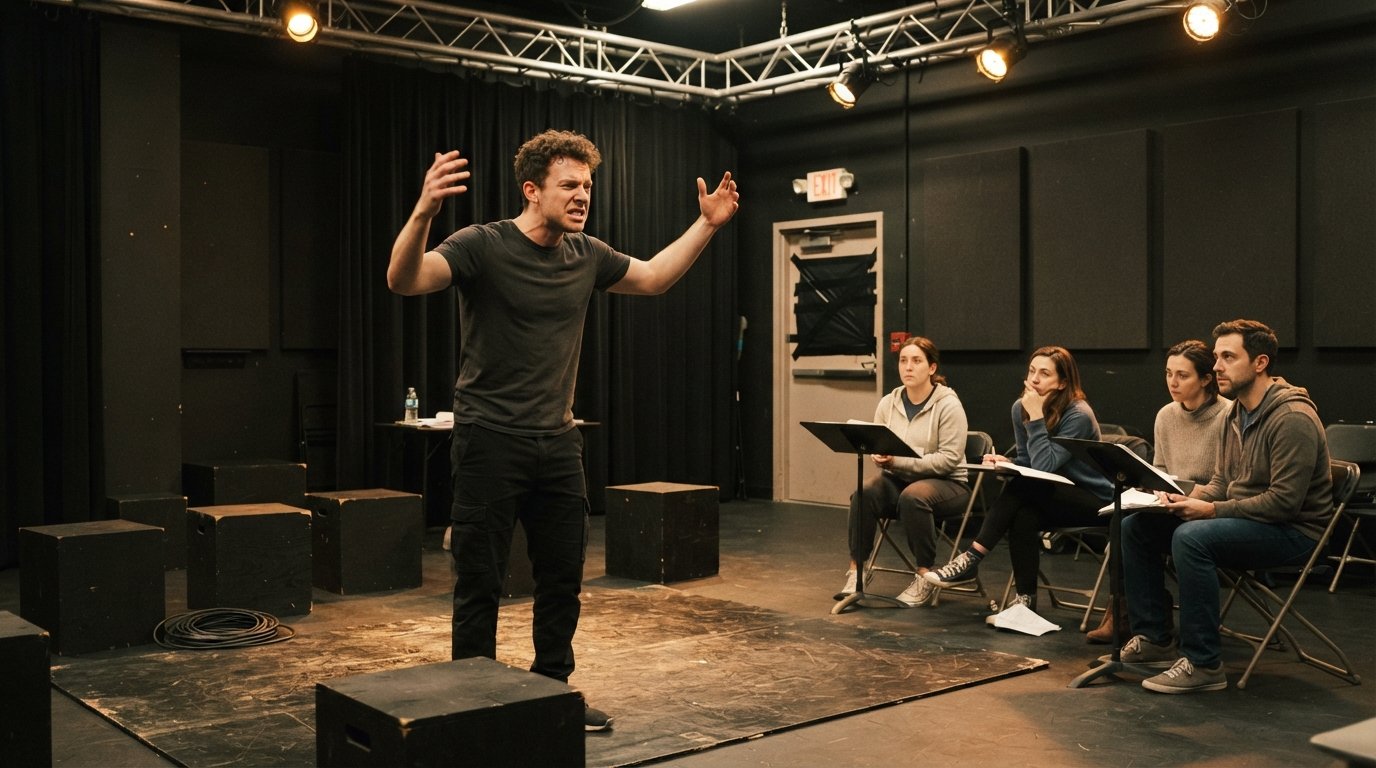
The in-person requirement matters here. Acting is a collaborative, physical art form. Learning to take direction, adjust in real time, and respond to a scene partner cannot be replicated fully online. The certificate's face-to-face format gives you access to rehearsal rooms, performance spaces, and the spontaneous feedback loop between actor and instructor.
Assessment is usually based on performance, participation, and written reflection rather than traditional exams. You may be asked to keep a process journal, present monologues, or participate in a final showcase. The goal is not a letter grade in the abstract but demonstrable growth in your craft.
Admission Requirements and Who Should Apply
Admission to the Acting Certificate, 1 year to less than 2 years In-person at George Washington University typically requires an application, transcripts, and an audition or portfolio of prior work. Because requirements change, confirm details with the program office. In general, programs like this look for evidence of commitment and some prior experience, whether through college coursework, community theater, or professional credits.
- Application materials: Online form, personal statement, and transcripts from prior institutions.
- Audition or portfolio: Two contrasting monologues or a reel demonstrating range.
- Prerequisites: A high school diploma or bachelor's degree, depending on the program track.
- English proficiency: Required for international applicants, usually via TOEFL or IELTS scores.
The ideal candidate is an adult learner who can commit to in-person classes during the day or evening. If you work full-time, check the course schedule carefully. Some cohorts meet on weekends or in condensed blocks. The certificate is a good fit for career changers, teachers who want to add drama credentials, and actors returning to training after a break.
Costs, Financial Aid, and Return on Investment
Tuition for a certificate is typically charged per credit or per semester. Because the program is 1 year to less than 2 years, total cost depends on your pace and residency status. Certificate students may not be eligible for the same federal aid as degree-seeking students, so plan financing early. Institutional scholarships, departmental awards, and external grants are worth researching.
For a broader view of funding options, including scholarships for adult learners and career changers, explore the Scholarship.Education resource hub. It compiles databases and application guidance for students in the US and abroad. Pairing a certificate with scholarship support can reduce out-of-pocket costs.
Return on investment for an acting certificate is not measured in starting salary the way a nursing or business degree might be. Instead, think in terms of portfolio development, audition readiness, and industry contacts. The certificate can lead to agent meetings, showcase opportunities, and a stronger reel. For actors who plan to teach, the credential can also support job applications in community theater and arts education.
Certificate vs. Degree: How to Choose
If you already have a bachelor's degree, a certificate is often the fastest route to focused training. A second bachelor's in acting would take two to four years and include general education. An MFA is a terminal degree and typically takes two to three years with a thesis or showcase. The certificate sits in the middle: shorter than a degree, more structured than drop-in classes.
Consider your end goal. If you want to teach at the university level, an MFA is usually required. If you want to audition professionally and build craft, the certificate may be sufficient. If you are undecided about a full graduate program, the certificate can serve as a test of your interest and stamina. You can read more about evaluating degree value in our guide to whether an online MBA at Washington University is worth it, which uses a similar ROI framework you can adapt to arts programs.
Another factor is flexibility. The GWU certificate is in-person, so you need to be in the DC area. If you cannot relocate, an online acting program or a local conservatory may be a better fit. But if you want the discipline of a campus-based studio and access to DC's theater scene, the in-person format is a strength.
Career Outcomes and Professional Pathways
Graduates of acting certificates pursue stage, film, and voiceover work. Some go on to MFA programs; others move directly into regional theater or independent film. The certificate does not guarantee roles, but it builds the skills and relationships that support a career. In DC, opportunities include community theater, fringe festivals, and student film projects.
Beyond performance, the credential can support adjacent roles: casting assistant, drama teacher, arts administrator, or corporate role-play facilitator. These paths value the communication and collaboration skills developed in studio training. If you are interested in how credentials translate to career advancement, our career guidance resources cover salary expectations and job outlooks across fields.
Networking is a major part of the value. Faculty, guest directors, and classmates become your professional community. Treat the certificate as a two-year networking window, not just a series of classes. Attend showcases, volunteer for readings, and keep in touch with instructors.
Practical Steps to Apply and Succeed
Start by confirming the current curriculum and schedule with GWU's theater department. Then prepare your audition materials early. Choose monologues that show contrast and that you genuinely enjoy performing. Rehearse with a coach if possible. Submit your application well before the deadline to allow time for transcripts and recommendations.
- Request information from the program and attend an info session.
- Prepare two contrasting monologues and a current resume.
- Submit transcripts and any required test scores.
- Apply for scholarships and external funding in parallel.
- Plan your schedule so you can attend in-person classes consistently.
Once enrolled, treat the program like a job. Arrive early, warm up, and take notes. Ask for feedback outside class. Build a reel from showcase footage. Keep a log of roles and skills so you can update your resume each semester.
The Acting Certificate, 1 year to less than 2 years In-person at George Washington University is a concentrated option for actors who want serious training without a multi-year degree commitment. It suits career changers, working actors, and adult learners who value in-person studio work. If you are comparing programs, weigh cost, schedule, and your long-term goals. With careful planning and funding research, the certificate can be a practical step toward a more confident, professional acting practice.