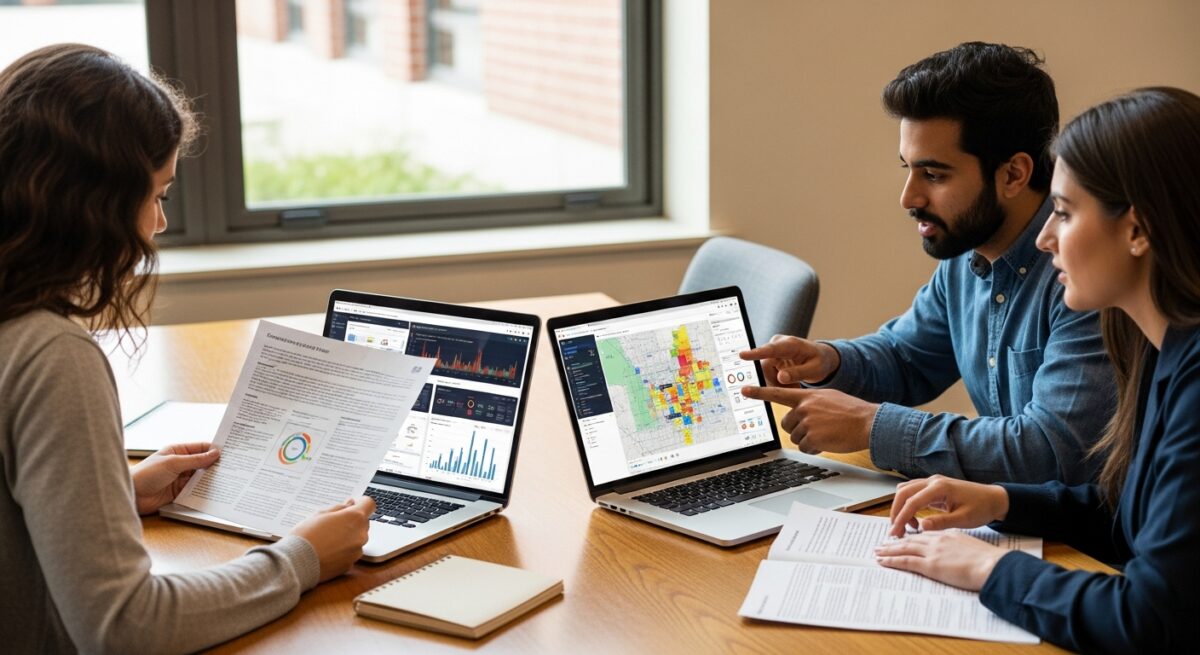
The field of public health has never been more visible or vital. From pandemic response to chronic disease prevention, professionals in this sector work to protect entire communities. For many working adults and career changers, the path to entering this rewarding field starts with earning a Master of Public Health. The flexibility of an MPH degree online program allows students to gain advanced skills without putting their careers on hold. This guide explores how online public health degrees work, what careers they unlock, and how to choose the right program for your goals.
What to Expect From an MPH Degree Online Program
An MPH degree online program typically covers the core pillars of public health: biostatistics, epidemiology, health policy, environmental health, and social and behavioral sciences. Most programs require 42 to 60 credit hours and take two to three years of part-time study. The curriculum blends theory with practical application, often including a capstone project or field experience.
Online MPH programs use learning management systems for lectures, discussion boards, and group projects. Many are asynchronous, meaning you can complete coursework on your schedule. Others offer synchronous sessions for real-time interaction with professors and peers. Accredited programs ensure that your degree holds the same value as a campus-based one, which is critical for licensure and employer recognition.
Accreditation Matters for Online Public Health Degrees
Before enrolling in any online program, verify its accreditation. The Council on Education for Public Health (CEPH) is the primary accrediting body for public health schools and programs. A CEPH-accredited MPH degree online program meets rigorous academic standards and ensures you are eligible for many fellowships, internships, and jobs.
Regional accreditation is also essential. This type of accreditation applies to the entire university and affects credit transfer and federal financial aid eligibility. Always check the program’s accreditation status on the university website or the CEPH directory. Choosing a non-accredited program can limit your career options and waste your investment.
Types of Online MPH Formats
Online MPH programs come in several formats to suit different learning styles and schedules. The most common are fully online programs with no campus visits, hybrid programs that combine online coursework with short on-campus intensives, and executive MPH programs designed for experienced professionals. Some programs also offer accelerated tracks that let you finish in 12 to 18 months.
When comparing programs, consider the format that aligns with your lifestyle. For example, if you work full-time and have family obligations, a fully asynchronous program may be ideal. If you value networking and hands-on learning, a hybrid program with periodic in-person sessions could be a better fit.
Public Health Careers You Can Pursue With an MPH
An MPH degree online program opens doors to diverse roles across government agencies, non-profits, healthcare systems, and private industry. Graduates work as epidemiologists tracking disease outbreaks, health educators designing community wellness programs, biostatisticians analyzing health data, and policy analysts shaping health legislation.
Salaries vary by role and location, but the median annual wage for epidemiologists is over $78,000, while health services managers earn more than $104,000 according to recent labor data. The U.S. Bureau of Labor Statistics projects faster-than-average growth for many public health occupations through 2032. This demand is driven by aging populations, increased focus on preventive care, and lessons learned from global health crises.
If you are considering a career shift, an online public health degree can help you transition smoothly. Many programs welcome students from non-health backgrounds and offer foundational courses to build your knowledge. For more on how online degrees can support career changes, read our guide on Bachelor of Business Online Programs and Career Scope, which covers similar principles of career advancement through online education.
Key Factors in Choosing an Online MPH Program
Selecting the right program requires careful evaluation of several elements. Start by identifying your career goals. If you want to work in global health, look for programs with international fieldwork opportunities. If you are interested in health policy, choose a program with strong coursework in law and ethics.
Cost is another major consideration. Tuition for online MPH programs ranges from $15,000 to over $60,000 total. In-state public universities often offer lower tuition rates, even for online students. Many employers offer tuition reimbursement, so check with your HR department before applying. Additionally, explore scholarships and federal aid options through the Free Application for Federal Student Aid (FAFSA).
Here are five critical factors to weigh when comparing programs:
- Accreditation status (CEPH and regional accreditation)
- Curriculum specializations that match your interests
- Faculty expertise and industry connections
- Student support services like career counseling and tutoring
- Graduation rates and job placement statistics
Reviewing these factors will help you narrow down your choices. Scheduling informational interviews with program advisors can also provide insight into the student experience. Remember that the best program for someone else may not be the best for you.

Specializations Within MPH Programs
Many MPH degree online programs offer concentrations that allow you to tailor your education. Common specializations include epidemiology, community health, health policy and management, environmental health, and global health. Some programs also offer niche tracks like health communication, public health nutrition, or emergency preparedness.
Choosing a specialization early can help you build expertise and make you more competitive in the job market. For instance, if you want to work with government agencies on disaster response, a concentration in emergency preparedness is valuable. If you aim to work with non-profits on maternal and child health, a community health focus would serve you well.
Practical Experience Requirements
Most accredited MPH programs require a practicum or field experience. This hands-on component lets you apply classroom knowledge to real-world public health challenges. You might work with a local health department, a non-profit organization, or a research institute. Online programs often help students find placements in their own communities.
Completing a practicum not only builds your resume but also expands your professional network. Many students receive job offers from their practicum sites. When evaluating programs, ask about the support provided for finding and completing field experiences.
Financial Aid and ROI for Online MPH Degrees
The return on investment for an MPH degree online program is strong for most graduates. While tuition can be substantial, public health professionals often qualify for loan forgiveness programs. The Public Service Loan Forgiveness (PSLF) program forgives remaining loan balances after 120 qualifying payments for those working in government or non-profit organizations.
Scholarships specifically for public health students are available through organizations like the Association of Schools and Programs of Public Health (ASPPH) and the Centers for Disease Control and Prevention (CDC). Many universities also offer merit-based scholarships or graduate assistantships for online students. Complete the FAFSA early to maximize your eligibility for federal loans and grants.
To explore accredited online programs and compare costs, visit DegreeOnline.Education for comprehensive resources on program reviews, tuition data, and financial aid guidance.
Frequently Asked Questions
Can I work full-time while earning an MPH online? Yes, most online MPH programs are designed for working professionals. Asynchronous courses allow you to study evenings and weekends.
Is an online MPH respected by employers? Yes, as long as the program is accredited by CEPH and regionally accredited. Employers value the same skills regardless of delivery format.
How long does it take to complete an online MPH? Typical completion time is two to three years for part-time students. Accelerated programs can be finished in 12 to 18 months.
What undergraduate degree do I need for an MPH? Most programs accept any bachelor’s degree. Some require prerequisite coursework in statistics or health sciences.
Can I specialize in my MPH program? Yes, many programs offer concentrations such as epidemiology, health policy, or community health.
Choosing to pursue an MPH degree online programs and public health careers that make a difference is a significant decision. The flexibility of online learning, combined with the growing demand for public health professionals, makes this an ideal time to advance your education. By selecting an accredited program that aligns with your career goals and financial situation, you can build a meaningful career that improves lives on a large scale. Start researching programs today and take the first step toward becoming a leader in public health.