For licensed practical nurses (LPNs) looking to advance their careers, the transition to registered nurse (RN) is one of the most rewarding moves in healthcare. You already have hands-on patient experience and a solid clinical foundation. Now you need the right educational path to unlock higher pay, greater responsibility, and more diverse job opportunities. Online LPN to RN programs offer a flexible, efficient way to make that leap without putting your current job or family obligations on hold. This guide explores how these bridge programs work, what to expect, and how to choose the best route for your career goals.
What Are Online LPN to RN Programs?
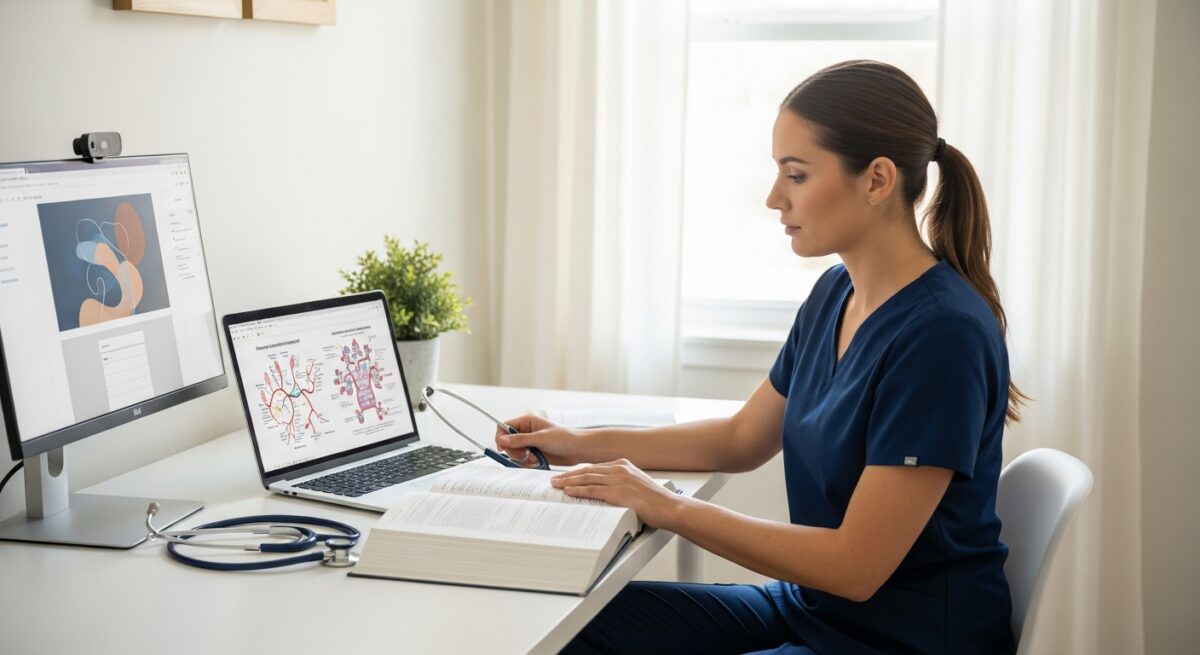
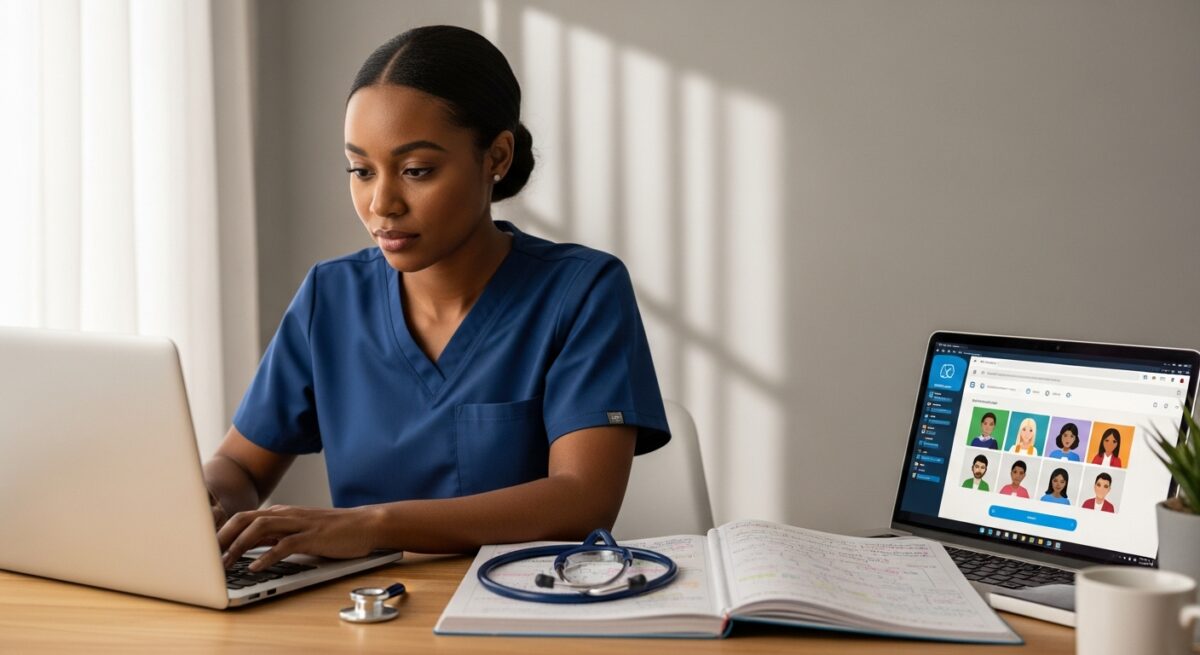
Online LPN to RN programs are bridge pathways designed specifically for licensed practical nurses who want to earn an Associate Degree in Nursing (ADN) or a Bachelor of Science in Nursing (BSN). These programs recognize your existing training and experience, allowing you to bypass introductory coursework and focus on advanced nursing concepts. Most programs combine online theory courses with in-person clinical rotations at local healthcare facilities. This hybrid model gives you the flexibility of remote learning while ensuring you gain the hands-on skills required for RN licensure.
The core curriculum typically includes advanced pharmacology, health assessment, nursing leadership, community health, and evidence-based practice. You will also complete clinical hours in medical-surgical nursing, pediatrics, obstetrics, mental health, and critical care. Many programs offer accelerated formats that let you finish in 12 to 18 months instead of the traditional two to three years. Because you already hold an LPN license, you can often test out of certain foundational courses through challenge exams or portfolio assessments.
Key Benefits of Pursuing an RN Degree Online
Choosing an online pathway to RN licensure offers several distinct advantages over traditional on-campus programs. First, you can study from home, which eliminates commute time and allows you to balance coursework with your current nursing job. Second, online programs often have multiple start dates throughout the year, so you do not have to wait for a fall semester to begin. Third, you can access lectures, assignments, and discussion boards at any time, making it easier to fit education into a busy schedule.
Another major benefit is cost savings. Online programs frequently have lower tuition rates than their on-campus counterparts, and you save on transportation, parking, and housing expenses. Many employers also offer tuition reimbursement for nurses pursuing advanced degrees. Before enrolling, check with your hospital or clinic to see if they have partnerships with specific online nursing schools. Some employers even provide flexible scheduling to accommodate clinical requirements.
Finally, an online RN degree positions you for long-term career growth. Registered nurses earn a median annual wage of over $77,000, compared to approximately $48,000 for LPNs. RNs also have access to specialized roles in critical care, emergency nursing, oncology, and nurse management. With a BSN, you open doors to graduate-level programs, including nurse practitioner or clinical nurse specialist pathways. For more information on advanced nursing roles, see our guide on Accredited FNP Online Programs for Nursing Career Advancement.
How to Choose the Right Nursing Bridge Program Online
Selecting the best online LPN to RN program requires careful evaluation of several factors. Start by confirming that the program is accredited by a recognized nursing accreditation body, such as the Accreditation Commission for Education in Nursing (ACEN) or the Commission on Collegiate Nursing Education (CCNE). Accreditation ensures that your degree meets national standards and that you are eligible to sit for the NCLEX-RN exam. Without proper accreditation, you may face challenges obtaining licensure or transferring credits to a future degree program.
Next, consider the program format and clinical placement support. Some online programs require you to arrange your own clinical preceptors and sites, while others have dedicated clinical coordinators who handle placements. If you work full-time, look for programs that offer asynchronous coursework and flexible clinical scheduling. You should also check whether the program accepts your LPN license for advanced standing and how many transfer credits you can receive. Most accredited programs will evaluate your transcripts and grant credit for prior nursing coursework.
Tuition and financial aid are also critical considerations. Compare the total cost of the program, including fees for lab kits, clinical supplies, and technology. Many online nursing bridge programs offer financial aid, scholarships, or payment plans. You can also explore employer tuition assistance programs and federal grants. For a broader look at funding options, visit Scholarship.Education to search for nursing-specific scholarships and external funding sources.
Finally, read student reviews and NCLEX-RN pass rates. High pass rates indicate that the program effectively prepares graduates for the licensure exam. Look for programs that provide NCLEX review resources, practice exams, and dedicated support from faculty advisors. A supportive learning environment with responsive instructors can make a significant difference in your success.
Common Admission Requirements for LPN to RN Online Programs
While requirements vary by institution, most online LPN to RN programs share a standard set of prerequisites. Understanding these upfront can help you prepare your application and avoid delays.

- Active, unencumbered LPN license in the state where you plan to complete clinical rotations.
- Graduation from an accredited practical nursing program with a minimum GPA (often 2.5 or higher).
- Completion of prerequisite college courses such as anatomy, physiology, microbiology, and English composition.
- Official transcripts from all previously attended institutions.
- Background check and drug screening, as required by clinical sites.
Some programs also require a minimum number of hours of recent clinical experience as an LPN. If you have been out of practice for several years, you may need to complete a refresher course before applying. Additionally, many online programs require you to have access to a computer with reliable internet, a webcam, and basic computer skills. Technical requirements are usually listed on the program’s website, so review them carefully before enrolling.
Nursing Career Paths After Earning Your RN Degree
Once you complete an online LPN to RN program and pass the NCLEX-RN, a wide range of career opportunities becomes available. Registered nurses can work in hospitals, clinics, long-term care facilities, schools, public health agencies, and home healthcare settings. Many RNs specialize in areas such as emergency nursing, critical care, labor and delivery, pediatrics, or oncology. Specialization often requires additional certification, which can lead to higher salaries and more advanced roles.
For those interested in leadership, RNs can pursue positions as charge nurses, nurse managers, or clinical coordinators. These roles involve supervising nursing staff, managing patient care units, and ensuring compliance with healthcare regulations. With experience and a BSN, you may also qualify for roles in nursing education, case management, or healthcare administration.
Another popular pathway is advancing to a graduate nursing degree. Many RNs go on to become nurse practitioners, nurse anesthetists, or clinical nurse specialists. These advanced practice roles offer significant autonomy, higher earning potential, and the ability to diagnose and treat patients. Online bridge programs from LPN to RN are often the first step on this longer journey, providing the foundational knowledge and credentials needed for graduate-level study.
Frequently Asked Questions
How long does it take to complete an online LPN to RN program?
Most programs take 12 to 24 months, depending on whether you pursue an ADN or BSN and whether you attend full-time or part-time. Accelerated options can be completed in as little as 12 months.
Can I work while enrolled in an online LPN to RN program?
Yes, many students continue working as LPNs while completing their RN degree. Online coursework offers flexibility, but clinical rotations may require daytime or weekend availability. Plan your schedule carefully and communicate with your employer about your educational commitments.
Will my LPN license transfer to an online RN program?
Your LPN license is typically accepted for advanced standing, but you must hold an active license in the state where you complete clinicals. Some programs also require evidence of recent clinical practice.
Are online LPN to RN programs as respected as on-campus programs?
Yes, as long as the program is accredited by a recognized nursing accreditation body. Employers and state boards of nursing view accredited online degrees equally to traditional degrees. Always verify accreditation status before enrolling.
What is the difference between an LPN to RN ADN and an LPN to RN BSN?
An ADN program typically takes 12 to 18 months and prepares you for entry-level RN roles. A BSN program takes longer (18 to 24 months) but offers broader career opportunities, higher earning potential, and a foundation for graduate study. Many employers now prefer or require BSN-prepared nurses.
Making the transition from LPN to RN is a significant investment in your future. Online LPN to RN programs provide the flexibility you need to earn your degree while maintaining your current responsibilities. By choosing an accredited program that aligns with your career goals, you can unlock new opportunities, increase your earning potential, and take on more advanced roles in nursing. Whether you aim to specialize in critical care, move into leadership, or eventually pursue a graduate degree, the online bridge pathway gives you a solid foundation for lifelong professional growth.