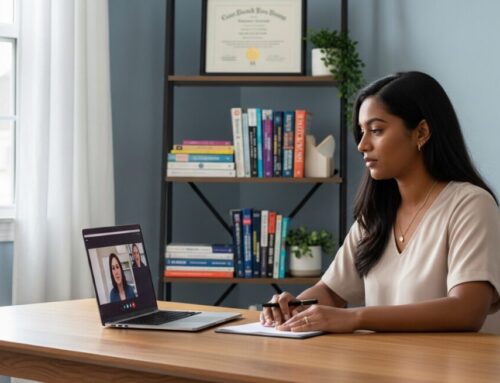
The way we pursue higher education has transformed dramatically. For adult learners, career changers, and working professionals, the traditional model of attending classes on a physical campus often feels impossible. Balancing a job, family responsibilities, and personal commitments leaves little room for a rigid class schedule. This is where online university degrees and flexible education options have become a powerful solution. They offer a path to advancement that fits into your life, not the other way around. The shift toward digital learning is not a temporary trend. It is a fundamental change in how education is delivered and consumed, making it more accessible than ever before.
Choosing to earn a degree online is a significant decision. It requires careful consideration of your goals, your learning style, and the credibility of the programs you evaluate. The market is flooded with options, but not all are created equal. Understanding the landscape of accredited online degrees is the first step toward making a choice that will genuinely benefit your career and personal growth. The flexibility offered by these programs is their greatest asset, but it also demands a high level of self-discipline and effective time management. This article will explore the core aspects of online education, from accreditation and program types to financial aid and career outcomes, providing you with a comprehensive framework for making an informed decision.
Understanding the Landscape of Accredited Online Degrees
The most critical factor when evaluating any online college programs is accreditation. Accreditation is a rigorous, third-party review process that ensures an institution meets specific quality standards. It affects everything from the transferability of credits to your eligibility for federal financial aid. Without proper accreditation, your degree may not be recognized by employers or other educational institutions. There are two primary types: regional accreditation, which is the most widely recognized and accepted, and national accreditation, which is often associated with vocational or career-focused schools. Regional accreditation is generally considered the gold standard for academic transfer and graduate school admissions.
When you search for online university degrees, you must verify the accreditation status of the school and the specific program. This information is usually found on the institution’s website. Look for accreditation from agencies recognized by the Council for Higher Education Accreditation (CHEA) or the U.S. Department of Education. For example, if you are considering a nursing degree, the program should also have specialized accreditation from bodies like the Commission on Collegiate Nursing Education (CCNE). This attention to detail protects your investment of time and money. In our guide on online university programs and degree options, we explain how to verify these credentials and avoid common pitfalls that can derail your educational journey.
The Core Benefits of Flexible Education Options
The primary appeal of flexible education options is the ability to learn on your own schedule. This asynchronous model allows you to watch lectures, complete assignments, and participate in discussions at times that work best for you. For a working parent, this might mean studying after the kids are in bed. For a shift worker, it could involve logging on during a break. This flexibility eliminates the need for a daily commute, which saves time and money. It also allows you to continue working full-time while you study, meaning you can maintain your income and apply what you learn in real-time to your current job.
Beyond scheduling, online programs often offer a wider variety of programs and specializations than local brick-and-mortar institutions. You are not limited by geography. You can enroll in a program offered by a university in another state or even another country, as long as it is properly accredited. This opens doors to niche fields and expert faculty that would otherwise be inaccessible. Furthermore, the digital nature of the coursework often leads to the development of valuable technical skills. You become proficient with learning management systems, virtual collaboration tools, and digital research methods. These are skills that are highly valued by modern employers.
Key Features of a Quality Online Program
Not every online program delivers the same experience. When you are researching, look for these specific features that indicate a robust and supportive learning environment.
- Student Support Services: Access to academic advising, career counseling, technical support, and a virtual library is essential. A good program provides these services proactively, not just when you ask.
- Interactive Elements: Look for programs that foster interaction through discussion forums, live virtual sessions, group projects, and direct communication with professors. Isolation can be a major challenge in online learning.
- Clear Communication: The course structure, deadlines, and expectations should be clearly outlined from the start. A well-organized syllabus and a responsive instructor are signs of a quality program.
These features are not just nice to have. They are directly linked to student success and satisfaction. A program that invests in these areas demonstrates a commitment to its online learners. When you compare different schools, create a checklist of these support systems and see how each institution measures up. This due diligence will help you choose a program that provides the structure you need to succeed.
Financial Aid and the Return on Investment for Online Degrees
Cost is a major consideration for any prospective student. The good news is that accredited online degrees are often more affordable than their on-campus counterparts. You save on commuting, housing, and campus fees. Additionally, many online programs offer in-state tuition rates to all students, regardless of where they live. You are also eligible for the same federal financial aid as traditional students, including grants, loans, and work-study opportunities. Filling out the Free Application for Federal Student Aid (FAFSA) is the first step to unlocking this funding.
Many employers also offer tuition reimbursement programs as a benefit. This is a powerful way to earn your degree with little to no out-of-pocket cost. Before you enroll, check with your human resources department to understand the requirements and limits of such programs. Scholarships are another critical resource. Many universities offer specific scholarships for online learners, and there are countless external scholarships available based on your field of study, background, or career goals. The return on investment (ROI) for an online degree can be substantial. Graduates often see increased earning potential, faster promotions, and greater job security. However, you should carefully research the average starting salaries for your chosen field and compare them to the total cost of the program to ensure the numbers make sense for you.

How to Choose the Right Online College Programs for Your Career
Selecting the right program is a personal decision that should align with your career ambitions. Start by defining your goals. Are you looking to move up in your current field, or do you want to switch careers entirely? A bachelor’s degree might be the right choice for a career change, while a master’s or a professional certificate could be better for advancement in your existing industry. For example, a registered nurse wanting to become a nurse practitioner would need a Master of Science in Nursing (MSN). An administrative assistant wanting to move into data analysis might pursue a bachelor’s in data science or a related certificate.
Once you know your goal, research programs that have strong reputations in that specific field. Look at the curriculum to see if the courses are current and relevant. Check the faculty profiles to see if instructors have real-world experience. Connect with alumni through LinkedIn or the university’s networking platform to ask about their experiences and career outcomes. The flexibility of online learning is a significant advantage, but it must be paired with a program that has a proven track record of helping graduates achieve their goals. This is where detailed reviews and comparisons, like those found on our site, can be invaluable. They help you cut through the marketing and see what a program is really like.
Frequently Asked Questions About Online University Degrees
Are online degrees respected by employers? Yes, when they are earned from an accredited and reputable institution. Employers are increasingly recognizing the value of online education, especially as it demonstrates self-discipline and technical proficiency. The key is to ensure the school is regionally accredited.
How long does it take to complete an online degree? It varies. A bachelor’s degree typically takes four years for a full-time student, but many programs offer accelerated paths. You can also choose a part-time schedule, which extends the timeline but provides greater flexibility. Some programs allow you to transfer credits from previous college work or professional experience, which can shorten the time considerably.
What technology do I need for an online program? You will need a reliable computer with a stable internet connection. Most programs require a webcam and a microphone for live sessions. You will also need basic software like a word processor and a web browser. The university’s IT department will usually provide a list of specific requirements.
Can I get financial aid for online degrees? Yes, students enrolled in accredited online programs are eligible for federal financial aid, including Pell Grants and student loans. You must complete the FAFSA to apply. Many schools also offer their own institutional scholarships and payment plans specifically for online learners.
How do I stay motivated in an online program? Create a dedicated study space, set a regular schedule, and connect with your peers in online forums. Setting small, weekly goals can help you maintain momentum. Remember your ultimate goal and the reason you started. The flexibility is a gift, but it requires you to be your own manager.
The journey toward earning a degree online is a significant undertaking, but it is one that can be incredibly rewarding. The flexibility and accessibility of these programs have opened doors for millions of people who thought higher education was out of reach. By focusing on accredited programs, leveraging financial aid, and choosing a path that aligns with your career goals, you can make a smart investment in your future. To begin your search, you can explore a wide range of options at CollegeDegrees.School to find programs that match your specific needs. The key is to start with clarity about what you want to achieve and then take consistent, informed steps toward that goal.
The landscape of higher education continues to evolve, and online learning is at the forefront of that change. It offers a practical, legitimate, and effective way to advance your career and enrich your life. Whether you are pursuing your first degree or adding an advanced credential, the resources and support available today make it more possible than ever. Take the time to research your options, ask the right questions, and choose a program that will challenge you and support you. Your future self will thank you for the effort you put in today.