
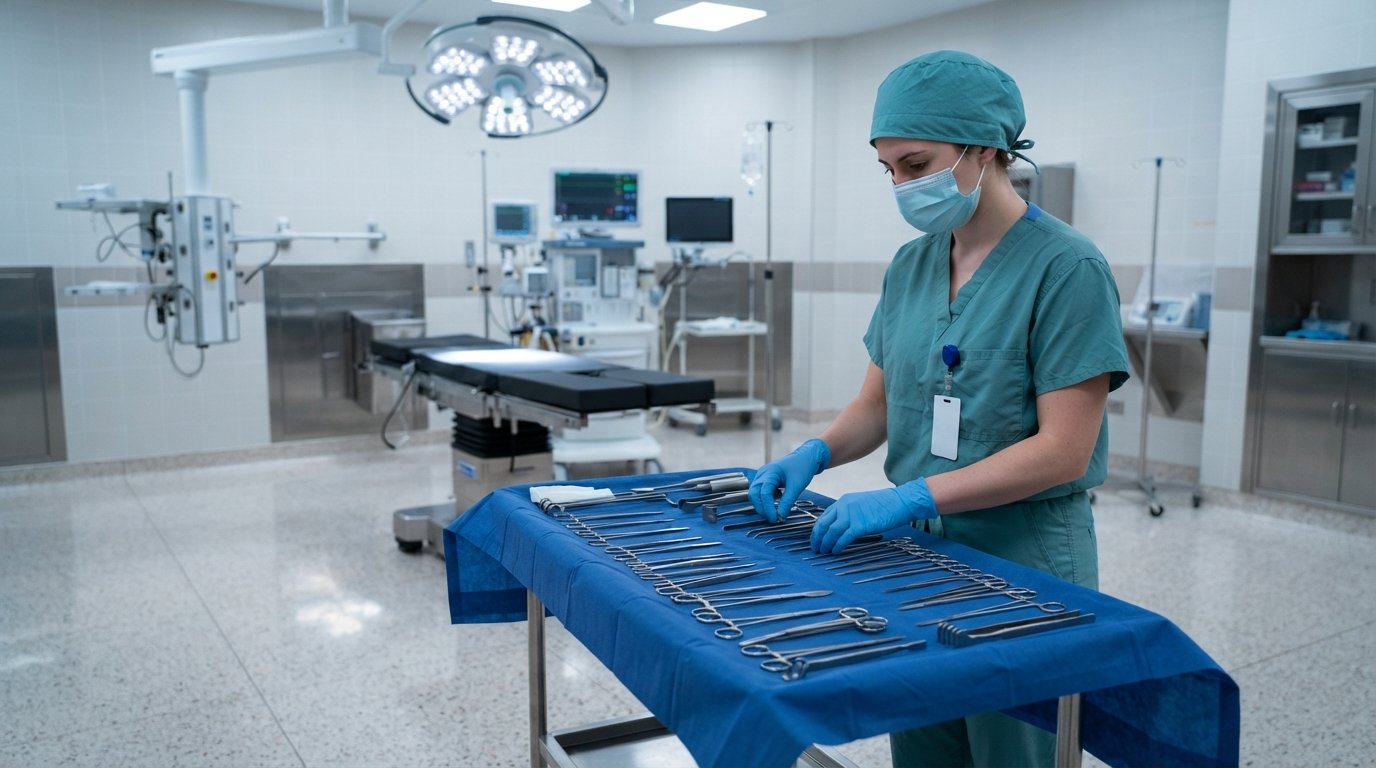
Surgical Technology Associate's Degree at Central Penn
Earn your Surgical Technology/Technologist Associate's degree, usually 2 years In-person at Central Penn College, and start a hands-on healthcare career.

Choosing a career that places you at the center of patient care, where your hands and knowledge directly support life-saving procedures, is a significant decision. For many, the path to becoming a vital member of a surgical team begins with a focused, hands-on education. The Surgical Technology/Technologist Associate's degree, usually 2 years In-person at Central Penn College, stands out as a direct route to this rewarding profession. This program is designed for individuals who thrive in fast-paced environments and want to enter the healthcare field without the lengthy timeline of a traditional four-year degree. If you are ready to turn your attention to detail and calm under pressure into a career, understanding the specifics of this program is your first step.
This article will explore every facet of the surgical technology associate's degree at Central Penn College. We will examine the curriculum, the importance of in-person training, career outcomes, and how this program fits into the broader landscape of healthcare education. By the end, you will have a clear picture of whether this path aligns with your professional goals and how to take the next step toward a career in surgical technology.
What Is a Surgical Technology/Technologist Associate's Degree?
A Surgical Technology/Technologist Associate's degree is a specialized undergraduate program that prepares students to work as surgical technologists, also known as scrub techs. These professionals are essential members of the operating room team, responsible for ensuring that surgical procedures run smoothly and safely. They prepare the operating room, sterilize equipment, assist surgeons and nurses during operations, and manage surgical supplies. The degree is typically earned at a community college, technical school, or a career-focused institution like Central Penn College.
The program at Central Penn College is distinctive because it is designed to be completed in approximately two years of in-person study. This format is crucial for a field that demands hands-on skills and real-time decision-making. Unlike fully online programs, which are common in other fields, surgical technology requires face-to-face instruction and clinical practice to ensure students are competent and confident before entering the workforce. The curriculum blends general education courses with core surgical technology classes and supervised clinical experiences in actual operating rooms.
Students in this program learn a wide range of skills, from aseptic technique and instrument identification to patient positioning and post-operative wound care. The in-person nature of the degree allows for immediate feedback from instructors and ample practice time in simulation labs. This hands-on approach is vital for building the muscle memory and critical thinking skills needed to assist in high-stakes surgeries. For those who prefer a structured, campus-based learning environment, this program offers a clear and direct path to employment.
Why Choose the In-Person Program at Central Penn College?
While online education has become increasingly popular, certain fields, particularly those in healthcare that involve direct patient care and surgical procedures, mandate in-person training. The Surgical Technology/Technologist Associate's degree, usually 2 years In-person at Central Penn College, is a prime example of a program where the format is as important as the content. Central Penn College has designed its program to immerse students in a clinical environment from the start, ensuring they graduate with the practical experience employers demand.
One of the primary benefits of the in-person format is access to state-of-the-art simulation labs. At Central Penn College, students practice surgical procedures using realistic mannequins and equipment, mimicking the conditions they will encounter in a hospital. This hands-on practice is irreplaceable; it allows students to make mistakes in a safe environment and learn from them. Furthermore, the in-person setting fosters strong relationships with faculty, who are often experienced surgical technologists themselves. These instructors provide mentorship and networking opportunities that can be invaluable when job searching.
Another advantage is the structured schedule and cohort model. Students progress through the program together, creating a supportive peer network that can last throughout their careers. The clinical rotations, which are a cornerstone of the program, place students in local hospitals and surgical centers. This real-world experience is not just a resume builder; it is a requirement for certification and licensure. By the time students graduate, they have accumulated hundreds of hours of hands-on experience, making them competitive candidates in the job market.
For adult learners considering a return to school, the in-person format at Central Penn College offers a focused and efficient way to earn a degree. The two-year timeframe is manageable, and the college provides resources to help students balance their studies with personal and professional commitments. This program is an investment in a stable and growing career field. According to the Bureau of Labor Statistics, employment of surgical technologists is projected to grow faster than the average for all occupations, reflecting the increasing demand for healthcare services.
Curriculum and Clinical Experience
The curriculum for the Surgical Technology/Technologist Associate's degree at Central Penn College is comprehensive, covering both the theoretical and practical aspects of the profession. Students begin with foundational courses in anatomy, physiology, and medical terminology, which are essential for understanding the human body and surgical procedures. As they progress, they move into specialized courses such as surgical pharmacology, microbiology, and the principles of aseptic technique.
The core surgical technology courses are where students learn the specific skills needed in the operating room. These include:
- Instrumentation and Sterilization: Students learn to identify and handle hundreds of surgical instruments, as well as the methods for sterilizing them to prevent infection.
- Patient Preparation and Positioning: Proper patient positioning is critical for surgical access and patient safety. Students learn the standards for various procedures.
- Surgical Procedures: Courses cover the steps of common surgeries across specialties such as general, orthopedic, gynecological, and cardiovascular surgery.
- Emergency Procedures: Students are trained to anticipate and respond to emergencies in the operating room, such as excessive bleeding or cardiac events.
Clinical experience is interwoven throughout the program. Students complete supervised clinical rotations in affiliated hospitals and surgical centers, where they apply their classroom knowledge in real surgical cases. Under the guidance of preceptors, they perform the duties of a surgical technologist, from scrubbing in and passing instruments to maintaining the sterile field. This hands-on experience is crucial for developing the speed, accuracy, and confidence required in the profession. The clinical rotations also provide an opportunity for students to build a professional network and potentially secure employment after graduation.
Career Outcomes and Certification
Graduates of the Surgical Technology/Technologist Associate's degree, usually 2 years In-person at Central Penn College, are well-prepared to enter the workforce as entry-level surgical technologists. The demand for these professionals is strong, and graduates can find employment in a variety of settings, including hospitals, outpatient surgical centers, and physicians' offices. The role offers a competitive salary and opportunities for advancement into specialties such as open-heart surgery or organ transplantation.
While certification is not always required by law, many employers prefer to hire certified surgical technologists. Graduates are eligible to sit for the Certified Surgical Technologist (CST) exam administered by the National Board of Surgical Technology and Surgical Assisting (NBSTSA). Passing this exam demonstrates a high level of competence and commitment to the profession, and it can enhance job prospects and earning potential. Central Penn College's program is designed to prepare students for this exam, with coursework and clinical experiences that align with the exam content.
For those looking to further their education, the associate's degree can serve as a stepping stone to a bachelor's degree in healthcare administration or a related field. This can open doors to roles in surgical management, education, or medical sales. The hands-on skills and clinical experience gained in the program provide a solid foundation for a lifelong career in healthcare. If you are exploring other technology-focused degrees, you might find our guide on best online IT degrees for technology careers helpful for comparing pathways.
Admissions and Financial Aid
Admission to the Surgical Technology program at Central Penn College requires a high school diploma or equivalent. Prospective students should have a strong background in science and math, as the curriculum is rigorous. The college may also require applicants to complete prerequisite courses or take an entrance exam. It is recommended to speak with an admissions counselor to understand the specific requirements and application deadlines. The in-person nature of the program means that class sizes are limited, so early application is encouraged.
Financial aid is available for eligible students to help cover tuition and other expenses. This may include federal grants, loans, and work-study programs. Central Penn College also offers scholarships and payment plans to make education more accessible. Prospective students should complete the Free Application for Federal Student Aid (FAFSA) to determine their eligibility. Additionally, there are external scholarships available for students pursuing healthcare careers. For more information on finding the right program and financial aid options, resources like CollegeDegree.Education can connect you with accredited colleges and universities.
Investing in an associate's degree in surgical technology is an investment in a stable and rewarding career. The two-year timeframe and in-person format provide a focused education that leads directly to employment. With the growing demand for healthcare services, surgical technologists are well-positioned for job security and professional growth. If you are ready to take the next step, contact Central Penn College to learn more about the program and start your application.