The demand for skilled microbiologists continues to rise, driven by advances in healthcare, biotechnology, and environmental science. However, traditional campus-based programs often conflict with the schedules of working professionals and adult learners. This is where the flexibility of digital education becomes invaluable. Whether you are a career changer looking to enter the pharmaceutical industry or a healthcare worker seeking to deepen your knowledge of infectious diseases, understanding how to navigate the landscape of microbiology classes online is the first critical step. This Microbiology Classes Online Learning Guide will walk you through everything from selecting the right program to mastering the virtual lab environment, helping you make an informed decision that aligns with your professional goals.
Online microbiology education has matured significantly over the past decade. Modern programs now offer robust curricula that mirror on-campus experiences, featuring interactive simulations, virtual labs, and real-time data analysis. For many students, the ability to balance coursework with existing job and family commitments makes an online microbiology course a practical and powerful choice. As we explore the options available, you will discover that accredited online programs can provide the same rigorous training as their traditional counterparts, often with greater scheduling freedom and lower overall costs.
Why Choose an Online Microbiology Course?
The primary advantage of enrolling in a microbiology class online is the flexibility it offers. Unlike fixed-schedule campus classes, online courses allow you to access lectures, readings, and lab assignments at times that suit your lifestyle. This is particularly beneficial for adult learners who are already employed in healthcare, research, or education and need to upskill without pausing their careers. Furthermore, many online programs allow you to progress at your own pace, accelerating through material you already understand and spending more time on challenging concepts.
Another compelling reason is the breadth of program choices. You are no longer limited to institutions within commuting distance. You can select from a wide range of accredited universities and colleges across the country, each offering different specializations such as clinical microbiology, environmental microbiology, or microbial genetics. This variety allows you to tailor your education to a specific niche, increasing your value in the job market. Additionally, online programs often incorporate the latest digital tools for data analysis and virtual experimentation, skills that are directly transferable to modern laboratory environments.
Cost is also a significant factor. Online programs frequently have lower tuition rates than on-campus equivalents, and you save on commuting, housing, and campus fees. Many institutions also offer financial aid, scholarships, and employer tuition reimbursement programs. By choosing an online route, you can invest in a high-quality education without incurring substantial debt. For a deeper look at how technology can support your learning journey, you can read our guide on Top Technology Tools for Online Learning Success, which covers essential software and platforms that enhance digital education.
How to Select the Right Program
Choosing the right microbiology class online requires careful evaluation of several factors. Accreditation should be your top priority. Only programs accredited by recognized agencies such as the Higher Learning Commission or the Middle States Commission on Higher Education ensure that your degree will be respected by employers and eligible for federal financial aid. For specialized fields like clinical microbiology, look for programs accredited by the National Accrediting Agency for Clinical Laboratory Sciences (NAACLS).
Next, consider the curriculum structure. A strong program should cover foundational topics such as microbial cell biology, immunology, virology, and epidemiology. It should also offer practical components like virtual labs or partnerships with local facilities for hands-on experience. Review the faculty profiles to ensure instructors have both academic credentials and real-world experience in microbiology. Finally, check the program’s graduation rates and job placement statistics. These metrics offer insight into the program’s effectiveness and the support provided to students.
Key Features to Look For
When comparing different online microbiology course options, keep the following features in mind:
- Interactive Virtual Labs: Look for programs that use high-fidelity simulations allowing you to perform experiments, analyze results, and write reports. This is crucial for developing practical skills.
- Asynchronous vs. Synchronous Learning: Decide whether you prefer the flexibility of watching lectures on your own time (asynchronous) or the structure of live classes (synchronous). Many programs offer a blend of both.
- Student Support Services: Reliable technical support, academic advising, and career counseling are essential for online students who may feel isolated.
- Transfer Credits: If you have previous college credits, confirm that the program accepts transfer credits to shorten your time to completion.
These features directly impact your learning experience and outcomes. A program that invests in high-quality virtual labs, for example, will better prepare you for real-world laboratory work. Similarly, robust student support can make the difference between completing your degree and dropping out. Always request a detailed syllabus and talk to current students or alumni before committing to a program.
Overcoming Challenges in Online Microbiology Education
While the benefits are substantial, online learning does present unique challenges. One of the most common concerns is the lack of hands-on laboratory experience. Microbiology is an inherently practical science, and some skills, such as aseptic technique and microscopy, are best learned in a physical lab. Reputable online programs address this by either requiring a short on-campus residency or by partnering with local labs where you can complete your bench work. Some programs also provide lab kits that allow you to conduct experiments at home under supervision.
Another challenge is maintaining motivation and discipline without the structure of a physical classroom. Successful online students often create a dedicated study space, set a regular schedule, and actively participate in discussion forums and virtual study groups. Time management is critical, especially for working professionals. Use digital calendars and task management tools to keep track of deadlines and assignments. Remember that instructors are available during office hours, so do not hesitate to ask for help when needed.

Technical issues can also pose problems. Ensure you have a reliable internet connection, a computer that meets the program’s specifications, and basic troubleshooting skills. Most institutions offer IT support, but it helps to be prepared. Finally, consider the social aspect. Online learning can feel isolating. Combat this by joining student organizations, attending virtual networking events, and connecting with classmates on professional platforms like LinkedIn. Building a professional network is just as important online as it is on campus.
Career Pathways After Completing an Online Microbiology Degree
Graduating from an online microbiology course opens doors to numerous career paths. Many graduates find roles in healthcare as clinical laboratory scientists, where they analyze patient samples to diagnose infections. Others work in pharmaceutical and biotechnology companies, developing new drugs, vaccines, and diagnostic tests. The skills you gain in data analysis, research methodology, and microbial identification are highly valued in these sectors.
Environmental microbiology is another growing field, with opportunities in water quality testing, waste management, and bioremediation. Public health agencies also hire microbiologists to track disease outbreaks and conduct epidemiological research. For those interested in academia, an online bachelor’s or master’s degree can be a stepping stone to a doctoral program and a career in teaching and research. The median salary for microbiologists is competitive, and the Bureau of Labor Statistics projects steady job growth over the next decade.
To maximize your career prospects, consider complementing your degree with certifications such as the American Society for Clinical Pathology (ASCP) certification for clinical laboratory scientists. Internships and capstone projects offered through your program can also provide valuable experience and networking opportunities. Many online programs have dedicated career services that help with resume writing, interview preparation, and job placement. Leverage these resources to transition smoothly into your chosen field.
Frequently Asked Questions
Can I become a certified clinical microbiologist through an online program?
Yes, many online programs are designed to meet the educational requirements for certification exams like those offered by ASCP. However, you must ensure the program includes the required clinical laboratory hours, which may be arranged through local partnerships.
How do virtual labs work in an online microbiology class?
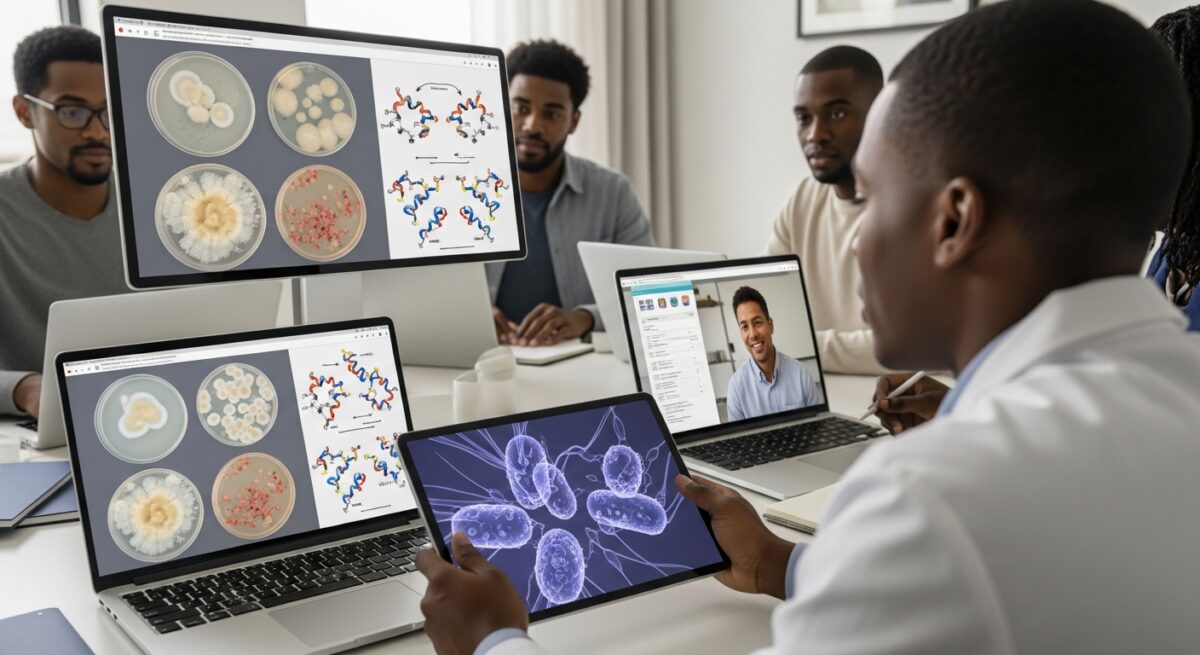
Virtual labs use simulations to replicate real experiments. You interact with digital equipment, perform tests, and record data. Some programs also send lab kits for at-home experiments or require a short on-campus lab session.
Are online degrees respected by employers?
Absolutely, provided the program is from an accredited institution. Employers care more about accreditation, curriculum quality, and your practical skills than the delivery method. Many hiring managers now view online degrees as equivalent to traditional ones.
How long does it take to complete an online microbiology course?
This varies by program. A bachelor’s degree typically takes four years of full-time study, while a master’s can be completed in one to two years. Accelerated programs and part-time options are also available.
What are the technical requirements for online microbiology courses?
You generally need a reliable computer with a modern operating system, high-speed internet, a webcam, and microphone. Some software or virtual lab platforms may require specific system specifications, so check with your chosen program.
Final Thoughts on Your Online Learning Journey
Embarking on an online microbiology education is a significant investment in your future. The flexibility, affordability, and quality of accredited programs make this an excellent option for adult learners and career changers. By carefully selecting a program that offers strong virtual labs, experienced faculty, and robust student support, you can gain the knowledge and skills needed to thrive in this dynamic field. Remember to leverage all available resources, from career services to networking opportunities, to maximize your return on investment. For more information on evaluating different educational pathways and finding the right fit for your goals, explore additional resources on college degree options. Your journey to becoming a skilled microbiologist starts with the right online course.